The Life of Bruce Lee
1994
No user ratings available yet
Diversity score: 5.7 out of 10
2013
Not RatedDirector
Jesse James Miller
Runtime
90 minutes
Average Rating
No ratings yetSynopsis
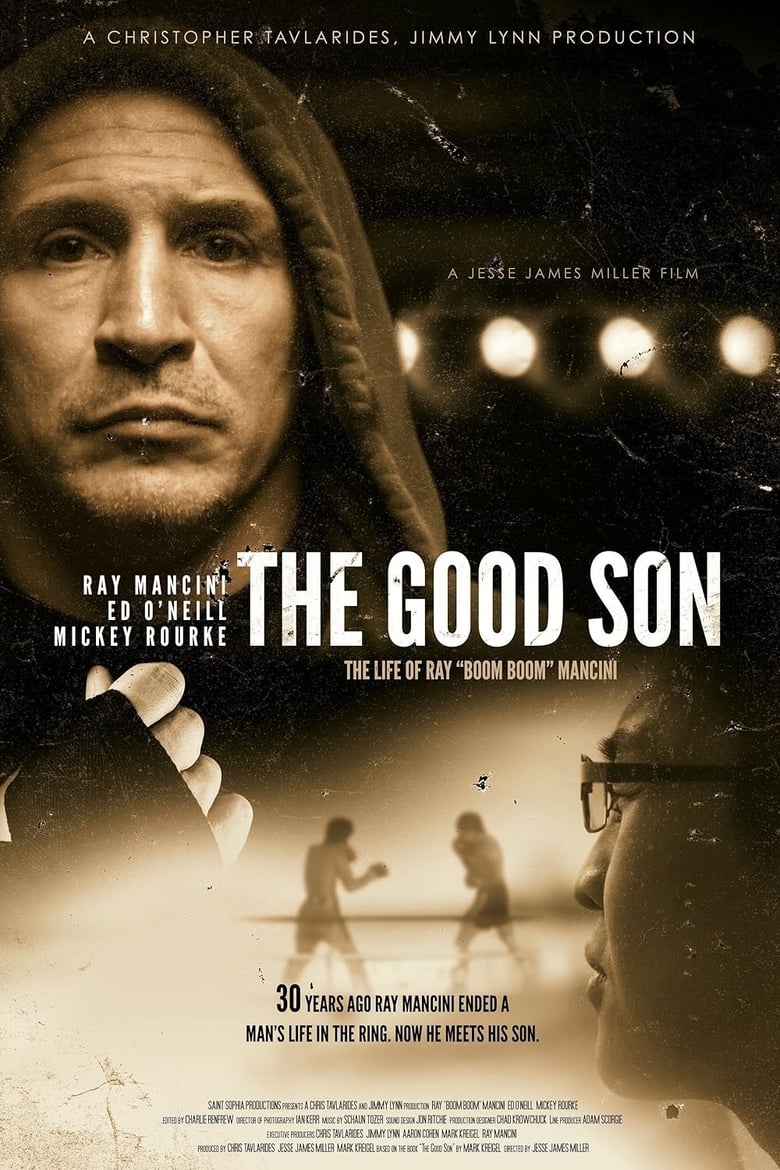
The outcome of the 1982 WBC Lightweight title bout between Ray "Boom Boom" Mancini and Duk Koo Kim is examined.
Overall Score
Fair
Category Breakdown
LGBTQ+ Representation
The film focuses exclusively on Ray Mancini's professional boxing career and personal life. There are no LGBTQ+ characters or narratives addressing non-heteronormative identities present in the work.
Gender Representation
The narrative is built around the hyper-masculine environment of professional boxing. It prioritizes male agency and traditional masculine archetypes without attempting to subvert established gender hierarchies.
Racial & Ethnic Diversity
The documentary provides ethnic intersectionality by examining the 1982 bout between American Ray Mancini and South Korean Duk Koo Kim. However, the scope remains limited to this specific sporting event.
Religious & Cultural Diversity
The film follows a conventional sports biography framework, emphasizing individual merit and athletic discipline. It lacks systemic critiques of traditional institutions or anti-Western perspectives.
Disability Representation
While the film addresses the physical consequences of a boxing match, there is no clear evidence regarding the portrayal of neurodivergence or specific disabilities.
Strengths
Areas for Improvement
AI Analysis
This documentary functions as a traditional biographical study of a professional athlete. It adheres to standard sports storytelling, focusing on the historical realities of the boxing ring rather than social deconstruction. The film's narrow focus on a specific sporting conflict limits its broader social reach. While it includes international perspectives through the inclusion of Duk Koo Kim, the narrative remains centered on Western-centric athletic achievement. Ultimately, the work lacks the intentionality required to disrupt social hierarchies. It operates within the established norms of masculine, competitive sports history.
1994
2004
1999

1973
2015
2012
2018
2011
2012
2022
1993
1993
No reviews yet. Be the first to share your thoughts on this movie!
Use the rating form above to leave a star rating and optional review.