
Devil's Island
1996
No user ratings available yet
Representation score: 2.5 out of 10
Representation Score
Limited
1994
Director
Fridrik Thor Fridriksson
Runtime
82 minutes
Average Rating
No ratings yetNew Showbiz Analysis
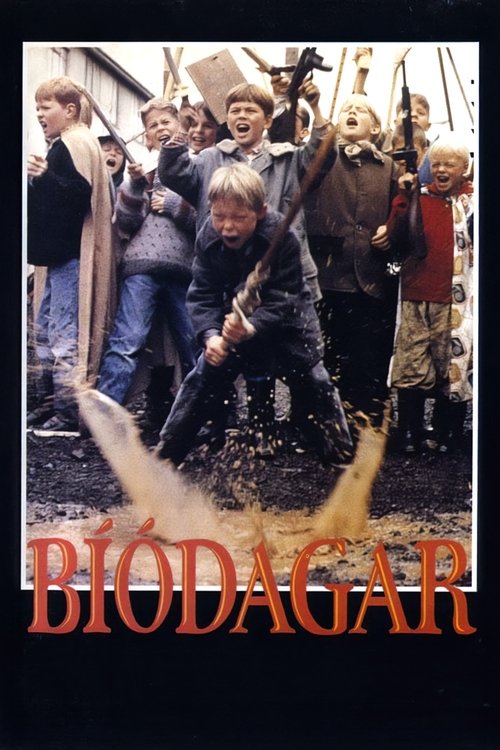
Movie Days is a semi-autobiographical period drama that serves as a cultural artifact of 1960s Iceland. Its narrative structure is deeply rooted in a specific historical and geographic context, prioritizing localized storytelling over contemporary themes of diversity. The film's focus on a boyhood saga naturally centers on traditional masculinity and social structures. This results in limited representation of LGBTQ+ identities and a demographic profile reflecting the era's ethnic homogeneity. While the film offers a personal exploration of heritage and memory, it does not appear to engage in the deconstruction of systemic issues or the subversion of traditional power dynamics.
Category Breakdown
The film does not include explicit LGBTQ+ characters or stories. Set in the 1960s, the story focuses on traditional social structures without challenging the idea that everyone is straight or cisgender.
The narrative centers around a male protagonist's journey and emphasizes his development of traditional masculinity. Female characters are present but play supporting roles.
The film reflects the ethnic homogeneity of 1960s Iceland. It centers on a culturally specific, mostly mono-ethnic experience without diverse casting.
This period piece explores traditional 1960s Icelandic institutions and heritage. It functions as a localized exploration of memory without addressing broader Western institutional issues.
There is no mention of characters dealing with physical or neurodivergent disabilities within the available narrative details.
Present on Screen
Limited or Absent
Official Synopsis
This Icelandic tale, loosely based on the real-life experiences of director Fridrik Fridriksson tells the saga of a boyhood spent in Iceland in the 1960s.
1996

1985

2009
2003
1966
1988
1986
1941
No reviews yet. Be the first to share your thoughts on this movie!
Use the rating form above to leave a star rating and optional review.