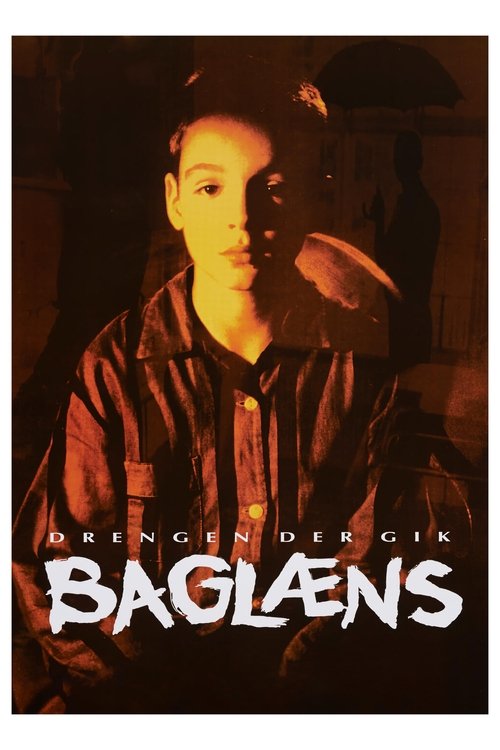
The Boy Who Walked Backwards
1995
No user ratings available yet
Representation score: 4.3 out of 10

Representation Score
Fair
2014
Director
Niels Arden Oplev
Runtime
108 minutes
Average Rating
No ratings yetNew Showbiz Analysis
The film is a character study centered on the deconstruction of the family unit following a maternal death. It prioritizes the internal emotional chaos of grief over demographic breadth. While the setting is demographically homogenous, the film achieves progressive merit by challenging traditional male clichés. It portrays male figures as emotionally ineffective during crises, subverting the traditional 'provider' archetype. Ultimately, the work functions as a period drama exploring the limitations of masculine coping mechanisms rather than a vehicle for characters who reflect more than one aspect of diversity.
Category Breakdown
The story focuses on heterosexual relationships among adolescents, particularly Martin's relationship with Kristine. There are no explicit representations of LGBTQ+ narratives or non-cisgender identities.
The film critiques traditional masculinity by depicting Martin's father and brother as emotionally inept. The mother's death highlights the fragility of the existing patriarchal structure.
Set in a small 1976 Danish town, the film reflects the demographic homogeneity of its time. The cast lacks multi-ethnic variety, focusing on a specific Nordic context.
The narrative explores the collapse of traditional institutions and idealized domestic life. It prioritizes psychological truth and individual grief over the preservation of religious or communal sanctity.
There are no prominent depictions of visible or invisible disabilities that significantly impact the narrative.
Present on Screen
Limited or Absent
Official Synopsis
In a quirky, small town, situated in the outskirts of everything, 14-year-old Martin is getting ready for one of the most formal transitions from boy to man; the communion. It's 1976, music's in the air and hormones are blossoming. But in the midst of it all Martin's mother suddenly passes away and her tragic death trickers a series of events that not only changes Martin's life forever, but also affects everyone else in the local community. Overwhelmed with grief neither Martin's dad, nor his older brother, is capable to comfort Martin. He enters adulthood in a mixture of drunken happiness and immense sadness over the loss of his mother, and his relationship to both his friend Kim and girlfriend Kristine comes to its natural conclusion.
1995

2003

2000

2016

2007

2017

2009

2016
No reviews yet. Be the first to share your thoughts on this movie!
Use the rating form above to leave a star rating and optional review.