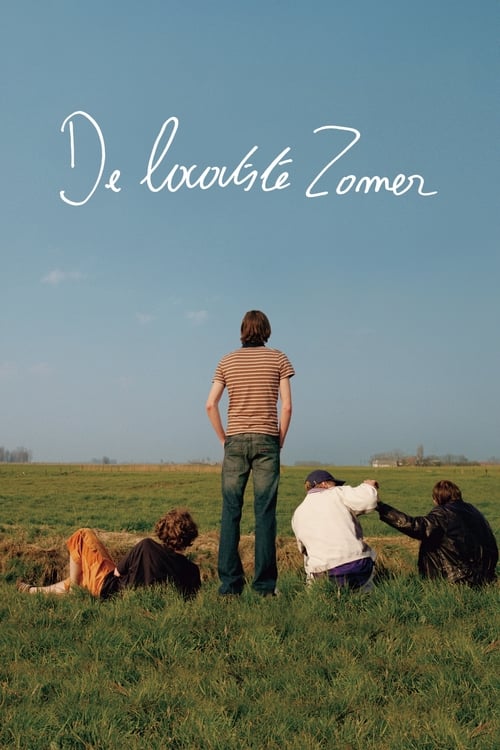
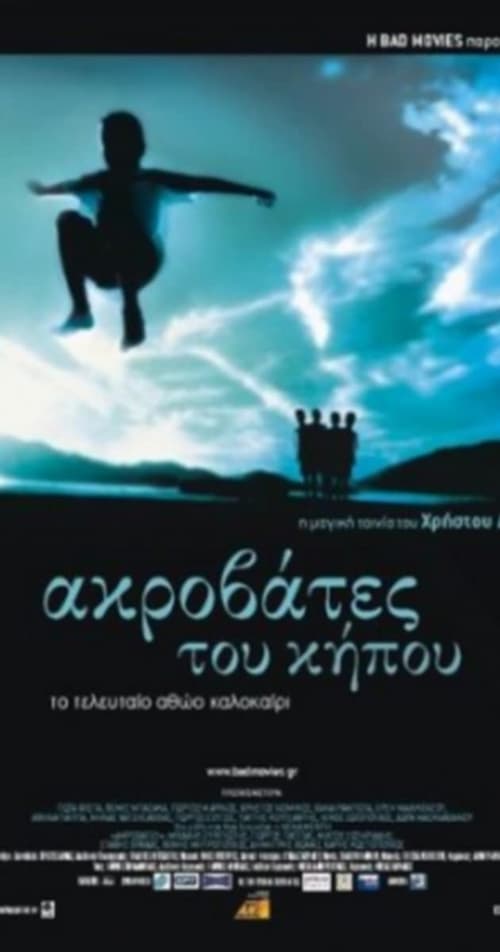
The Last Summer
2007
No user ratings available yet
Representation score: 2.9 out of 10
Representation Score
Fair
2001
Director
Christos Dimas
Runtime
110 minutes
Average Rating
No ratings yetNew Showbiz Analysis
The Cistern is a period drama focused on the psychological transition from childhood to adolescence. It succeeds in humanizing its young protagonists by prioritizing their emotional development over traditional masculine archetypes. However, the film remains limited by its specific historical and geographical setting. The focus on a homogeneous Greek social structure results in low racial and ethnic diversity. Ultimately, the film offers a nuanced look at character's ability to drive the story and the loss of innocence, even if it lacks overt political or characters who reflect more than one aspect of diversity.
Category Breakdown
The film touches on themes of love and jealousy during the transition from childhood to adolescence, providing a space for exploring emotional fluidity without explicitly confirming queer identities.
The story focuses on a male-dominated group of boys, but avoids hyper-masculine clichés by emphasizing the characters' emotional vulnerability and the complexities of their developing inner lives.
Set in 1974 Greece, the film reflects a likely homogeneous Mediterranean demographic. There is no evidence of diverse racial blending or casting that deviates from the local cultural norm.
The narrative critiques the rigid prejudices and curses of the adult world using a coming-of-age framework to examine how systemic social hierarchies impact individual innocence.
The film provides no visible or invisible representation of characters with disabilities. No information is available to assess this category.
Present on Screen
Limited or Absent
Official Synopsis
In 1974, a group of 11-year-old boys spend the last carefree summer of their childhood, unaware that the world of grown-ups, with its loves, passions, prejudices and curses, is about to seal their fate. Aaron, Stelios, Sakis, Galanos and Verios, "the acrobats", are best friends. School has closed for the summer holidays and the children spend their time playing games, running errands, and riding their bikes. Life is a game, into which they channel all their physical energy and imagination. They practice their diving abilities in a big cistern. It is a game through which their special talents and competitive spirit unfold. One is good at balancing acts, another at diving and another at somersaults. It is in this neighborhood that Aaron will spend the most important summer of his life: a rite of passage from childhood to adolescence, a time for learning about love, jealousy and friendship.
2007
1995

2001

2000
1986
1999

2005

2007
No reviews yet. Be the first to share your thoughts on this movie!
Use the rating form above to leave a star rating and optional review.