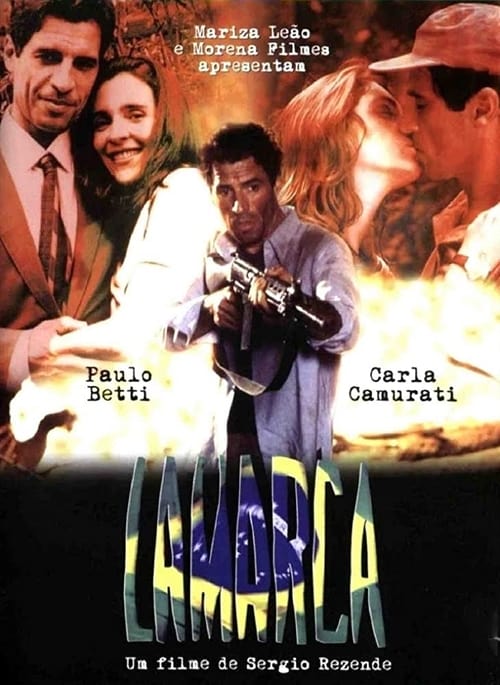
Lamarca
1994
No user ratings available yet
Representation score: 3.6 out of 10

Representation Score
Excellent
2000
Director
Maria de Medeiros
Runtime
123 minutes
Average Rating
No ratings yetNew Showbiz Analysis
Maria de Medeiros presents a powerful historical deconstruction that challenges the morality of established state powers. The film frames the 1974 coup as a liberation from institutional corruption, emphasizing systemic change over a simple political shift. The narrative effectively disrupts conventional nationalistic stability by centering the actions of revolutionary leaders against the fascist state. This prioritizes systemic change over the preservation of traditional hierarchies. While the film excels in cultural critique and gender subversion, it remains limited by its focus on military and political actors, resulting in less attention to disability and specific racial depictions.
Category Breakdown
The film examines personal identities within a strict, fascist society. It shifts focus from traditional straight relationships to highlight individual roles and actions.
The story challenges the dominance of male leadership by showing the military as an oppressive, stagnant force. This creates space for female perspectives amid broader social changes.
The narrative addresses the Portuguese colonial legacy during a time of imperial transition. It questions the uniform national identity by highlighting the complexities of a collapsing empire.
The film effectively critiques traditional Western institutions and the corrupt foundations of the Estado Novo. It portrays the revolution as a necessary uprising against a stifling, traditional social order.
Characters with visible or invisible disabilities are not prominently featured as central figures in the revolution, focusing instead on political movements.
Present on Screen
Limited or Absent
Official Synopsis
Story of the 1974 coup that overthrew the right-wing Portuguese dictatorship--which continued the fascist policies of long-time dictator Antonio Salazar--and of two young army captains who were involved in it.
1994

1985

2024

2003

1972
2008

2006

2006
No reviews yet. Be the first to share your thoughts on this movie!
Use the rating form above to leave a star rating and optional review.