
Love Story
1942
No user ratings available yet
Representation score: 1.8 out of 10
Representation Score
Minimal
1950
NRDirector
Michael Anderson
Runtime
80 minutes
Average Rating
No ratings yetNew Showbiz Analysis
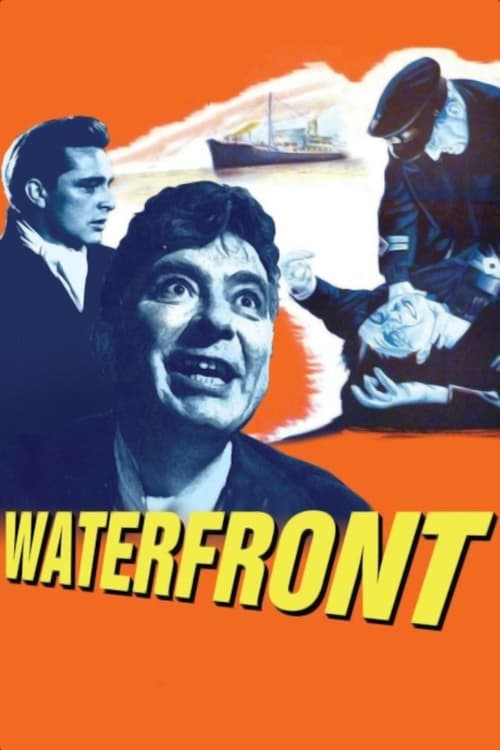
Waterfront is a quintessential mid-century social realist drama that prioritizes industrial conflict and masculine labor over diverse representation. While it provides a sophisticated look at systemic corruption and the struggles of the working class, it operates within the rigid demographic boundaries of its era. The film reinforces traditional social hierarchies rather than challenging them. The narrative structure centers on patriarchal structures and a homogeneous white working-class community, leaving little room for multi-layered identities. Ultimately, the film's strength lies in its critique of institutional power, but it fails to engage with meaningful diversity regarding gender, race, or identity.
Category Breakdown
The film does not include any visible LGBTQ+ characters or non-cisgender identities. Its social structure focuses on traditional domesticity and masculine work environments.
Female characters demonstrate resilience against poverty and abandonment, but their roles remain largely reactive. The narrative emphasizes masculine dynamics and patriarchal waterfront structures.
The cast is predominantly white, reflecting a homogeneous working-class demographic. There is no significant minority representation within this localized industrial community.
The film offers a nuanced critique of institutional corruption and union power dynamics. It portrays families through the lens of struggle and dysfunction caused by abandonment.
There are no prominent depictions of physical, sensory, or neurodivergent disabilities. Characters are primarily defined by their labor capacity and physical presence.
Present on Screen
Limited or Absent
Official Synopsis
When ship's fireman Peter McCabe walks out on his long-suffering wife, he leaves her impoverished, with two young daughters and a boy born soon after his departure. After an absence of fourteen years McCabe returns, sacked and humiliated, trailing trouble in his wake.
1942

1945
1960

1950
1944

1957

1954

1970
No reviews yet. Be the first to share your thoughts on this movie!
Use the rating form above to leave a star rating and optional review.