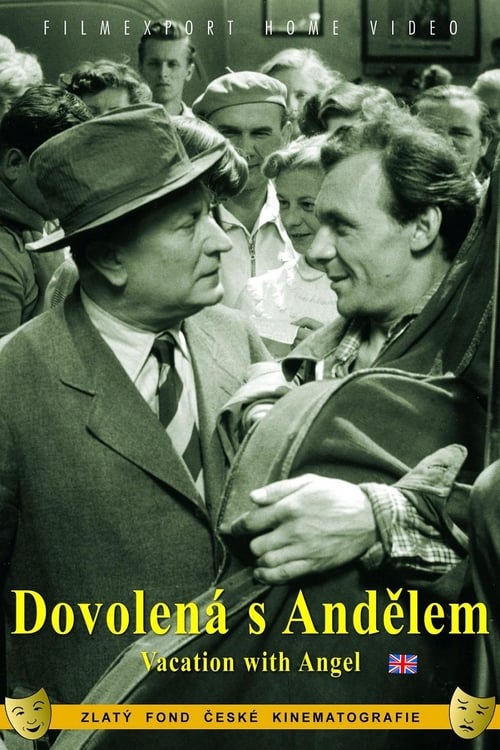
Holiday with Angel
1953
No user ratings available yet
Representation score: 3.0 out of 10
Representation Score
Minimal
1949
Director
Josef Mach
Average Rating
No ratings yetNew Showbiz Analysis
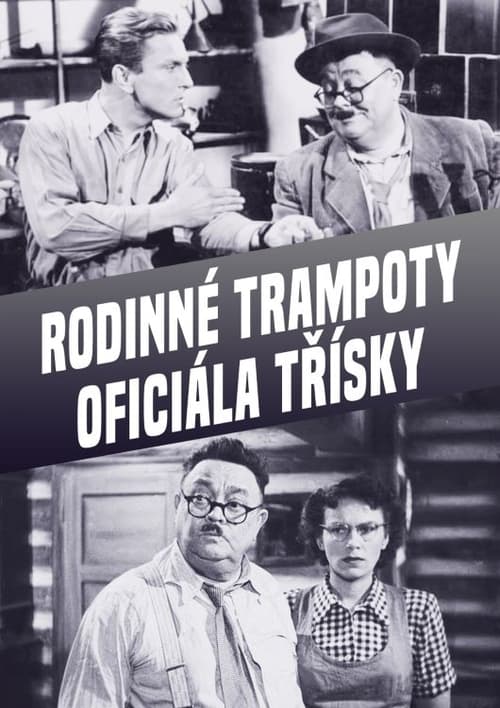
Rodinné trampoty oficiála Tříšky is a period comedy that emphasizes the social hierarchies and communal norms of mid-century Central Europe. The narrative centers on the integration of a traditional family unit into a collective setting, reinforcing existing structures rather than challenging them. The film's structure is built around a patriarchal protagonist and a homogeneous cast. It reflects the geopolitical and temporal constraints of 1949 Czechoslovakia, prioritizing social cohesion over diverse representation. Ultimately, the work presents a traditional depiction of agrarian life, lacking the intentional disruption of familiar patterns necessary for a higher diversity score.
Category Breakdown
The film does not include any characters with non-binary or LGBTQ+ identities. It follows the assumption that everyone is straight and their gender matches what they were assigned at birth.
The story revolves around a patriarchal figure, Mr. Tříška, who dominates the family dynamic. Despite the involvement of the entire family in labor, the hierarchy remains traditional.
The cast and setting are uniformly Czech, reflecting the demographics of post-war Czechoslovakia. There is no representation of racial diversity or non-European identities.
The narrative examines the tension between urban bureaucracy and rural communal labor. It focuses on balancing individualistic rigidity with traditional agrarian life and collective social participation.
There are no visible or invisible disabilities portrayed in the film. The protagonist's temperament is described as a psychological trait rather than a clinical disability.
Present on Screen
Limited or Absent
Official Synopsis
The plump, punctual and slightly despotic Mr. Tříška worked as a housing officer, which completely damaged his psychological resilience, he is short-tempered and easily angered. The intended rest in the countryside, where he went with his whole family, however, turns out completely differently than he expected - because all the hardworking hands join together to ensure the fastest possible completion of the agricultural work, and there is also time left for his singing interests. And the main character is finally so carried away by the new environment that he eagerly joins in.
1953
1983
1984
1967
1977
1985
1989
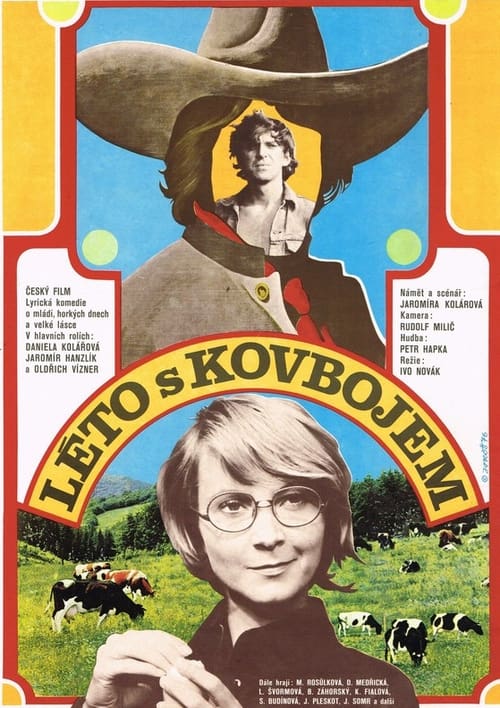
1976
No reviews yet. Be the first to share your thoughts on this movie!
Use the rating form above to leave a star rating and optional review.