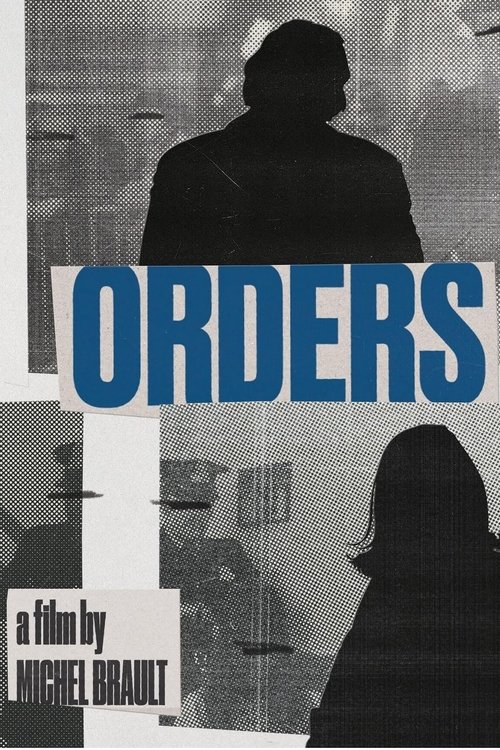
Orders
1974
No user ratings available yet
Diversity score: 4.7 out of 10

2009
Director
Daniel Filho
Runtime
80 minutes
Average Rating
No ratings yetSynopsis
Rio de Janeiro, April 18, 1945. Brazil's foreign policy aligns closely with that of the United States and opens a brief period of democratic rule after the end of World War 2. For years, hundreds of people were arrested and tortured by the Vargas regime. But with the external pressure, several political prisoners gain freedom.
Overall Score
Fair
Category Breakdown
LGBTQ+ Representation
The film lacks explicit evidence regarding the depiction of non-cisnormative identities or same-sex intimacy. The narrative focus remains on macro-political shifts, which may limit queer visibility.
Gender Representation
The narrative centers on state-level agency and political prisoners. While women may appear in supportive or domestic roles, specific character arcs regarding female agency in the political struggle are unconfirmed.
Racial & Ethnic Diversity
Set in Rio de Janeiro, the film engages with Brazil's multi-ethnic fabric. The focus on hundreds of arrested individuals provides opportunities for a diverse cast reflecting the nation's racial composition.
Religious & Cultural Diversity
The film engages with the deconstruction of state authority. By centering on victims of the Vargas regime, it challenges political hierarchies and celebrates democratic liberation.
Disability Representation
While political imprisonment often involves physical or psychological trauma, there is no specific evidence that neurodivergence or visible disabilities are utilized as central themes or characterized with agency.
Strengths
Areas for Improvement
AI Analysis
Peacetime is a historical drama exploring Brazil's transition from the Vargas regime to democratic rule in 1945. The film's strength lies in its critique of oppressive political structures and its engagement with the social justice themes inherent in the release of political prisoners. However, the film lacks specific focus on identity-based representation. There is no clear evidence of LGBTQ+ visibility or disability-centric narratives, and female agency within the political struggle remains unconfirmed. Ultimately, the work functions as a study of systemic institutional failure. While it captures the multi-ethnic reality of Rio de Janeiro, it prioritizes macro-political shifts over individual identity-specific representation.
1974
2014

2019
2017
1967

2019

2006
1944

2000

2020

2022

2024
No reviews yet. Be the first to share your thoughts on this movie!
Use the rating form above to leave a star rating and optional review.