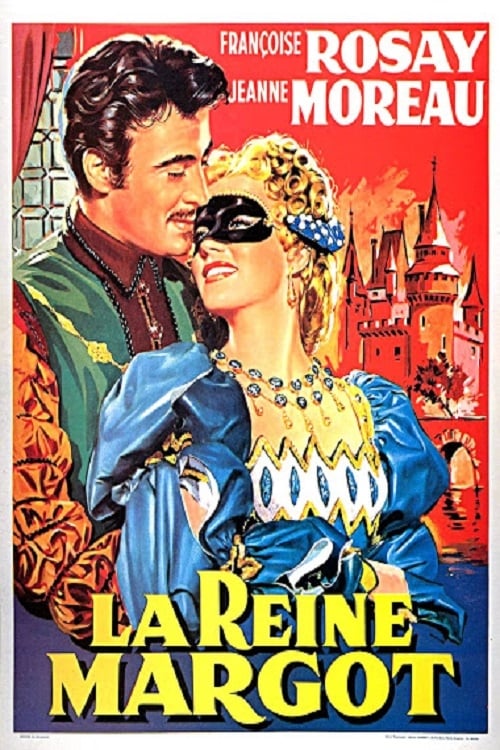
Queen Margot
1954
No user ratings available yet
Diversity score: 4.9 out of 10
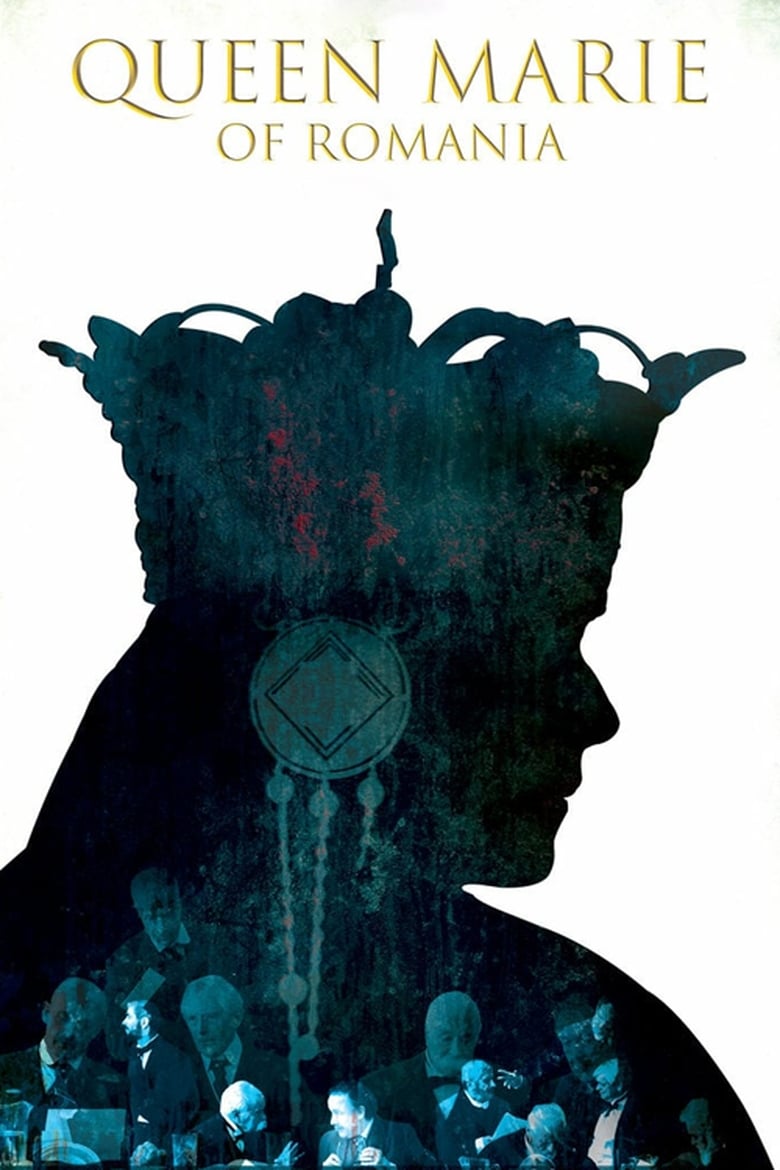
2019
Director
Alexis Cahill
Runtime
110 minutes
Average Rating
No ratings yetSynopsis
Devastated by the First World War and plunged into political controversy, Romania's every hope accompanies its Queen on her mission to Paris, to lobby for its great unification's international recognition at the 1919 Peace Talks.
Overall Score
Fair
Category Breakdown
LGBTQ+ Representation
The narrative focuses on the diplomatic and political maneuvers of Queen Marie. There is no explicit evidence of non-cisnormative identities or narratives critiquing heteronormativity within the primary plotline.
Gender Representation
The film centers on a woman in a position of significant political power. It portrays female intellect and diplomatic strength as the primary drivers of national unification, challenging passive royal tropes.
Racial & Ethnic Diversity
The setting reflects the homogeneous ethnic structures of the post-WWI Romanian monarchy and European diplomatic corps. However, the focus on Romanian unification offers a non-Anglo-Saxon perspective within a Western-dominated landscape.
Religious & Cultural Diversity
The story explores the tension between traditional monarchy and shifting political sovereignty. It engages with the instability of Western institutions, moving away from a purely idealized portrayal of royal authority.
Disability Representation
There is no discernible focus on neurodivergence, physical disabilities, or mental health conditions. Characters with disabilities do not appear to possess agency within the primary narrative arc.
Strengths
Areas for Improvement
AI Analysis
Queen Marie of Romania functions as a historical drama that prioritizes female agency within a high-stakes diplomatic environment. By centering the story on Marie's mission to the 1919 Peace Talks, the film disrupts conventional historical epics that typically favor patriarchal or martial narratives. While the film succeeds in showcasing female intellectual strength, it remains constrained by the historical realities of the era. The representation of racial and ethnic diversity is limited by the homogeneous nature of the period's diplomatic corps, and there is a notable absence of LGBTQ+ or disability-focused storylines. Ultimately, the film offers a nuanced view of power and political transition, providing a platform for a non-Western perspective without utilizing modern social deconstruction.
1954
1948
2012
2019

2020

2023

2019
2019
2017

2022

2020

2006
No reviews yet. Be the first to share your thoughts on this movie!
Use the rating form above to leave a star rating and optional review.