Look to the Sky
1993
No user ratings available yet
Representation score: 2.9 out of 10
Representation Score
Fair
2022
Director
Roberto Faenza
Runtime
104 minutes
Average Rating
No ratings yetNew Showbiz Analysis
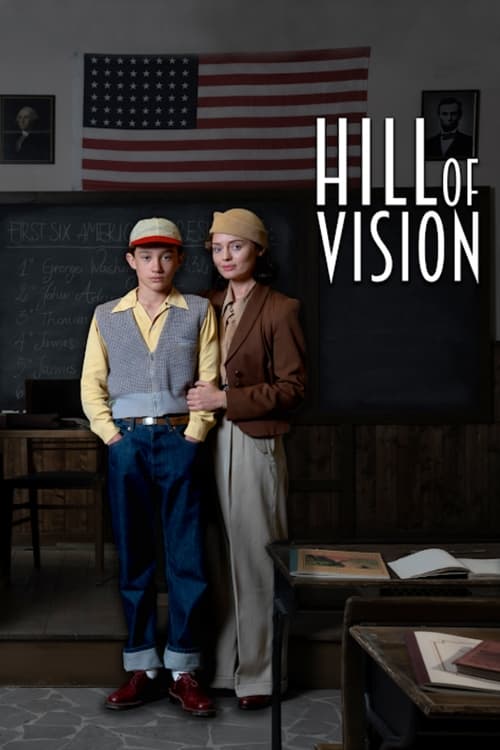
Hill of Vision is a character-driven historical drama that uses the life of Mario Capecchi to explore systemic changes. The film transitions from the political turmoil of WWII Italy to the immigrant experience in post-war America. The narrative emphasizes political resistance and female empowerment, prioritizing intellectual pursuits and disrupting traditional hierarchies over contemporary identity politics. While the film provides a nuanced look at resilience and displacement, it remains a focused biography rather than a diverse ensemble piece.
Category Breakdown
The film focuses on the relationship between a mother and son but does not include explicit LGBTQ+ character arcs or challenge assumptions about straight relationships.
The story centers on an anti-fascist mother, highlighting her political role rather than confining her to a domestic setting.
The narrative explores the experiences of Italian immigrants and their transition to American life, focusing on the challenges of being an outsider.
The film critiques authoritarianism by depicting anti-fascist resistance and favoring a secular, meritocratic worldview centered on scientific achievement over religious doctrine.
There is no evidence of the portrayal of physical or neurodivergent disabilities in this biographical drama.
Present on Screen
Limited or Absent
Official Synopsis
Italy, WWII. After his anti-fascist mother is arrested, Mario spends his childhood on the streets. In 1947 they are miraculously reunited and start a new life in America. Based on the life of Mario Capecchi, 2007 Nobel Prize in Medicine.
1993

2009
2019
2023
1996
1999

2019
2019
No reviews yet. Be the first to share your thoughts on this movie!
Use the rating form above to leave a star rating and optional review.