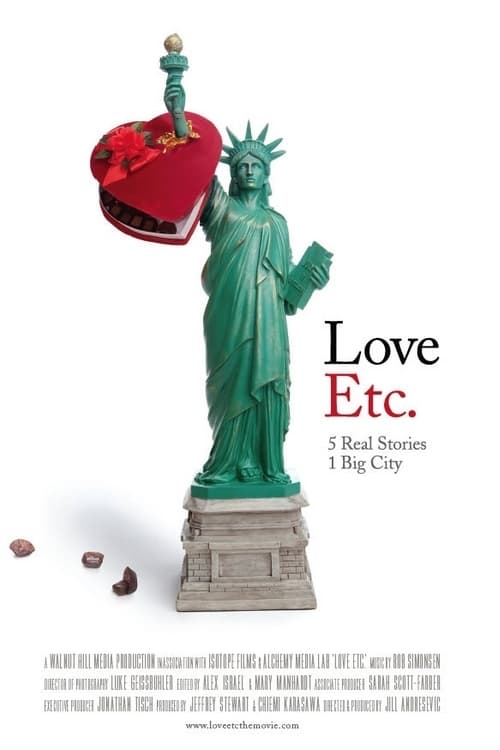
Love Etc.
2011
No user ratings available yet
Representation score: 5.3 out of 10

Representation Score
Good
2014
Director
Kim Longinotto
Runtime
74 minutes
Average Rating
No ratings yetNew Showbiz Analysis
Kim Longinotto creates a thoughtful film that challenges the Western-centric portrayal of romance. By shifting the focus to the evolving social landscapes of Tanzania, the film offers a fresh perspective on the history of love. The documentary examines the tension between traditional patriarchal institutions and the growing autonomy of women. It looks at courtship not just as a personal emotion, but as a complex interaction of race, geography, and post-colonial identity. While the film provides important historical context for the movement towards queer liberation and expanded sexual freedoms, its primary strength lies in its ethnographic depth. It avoids simplistic moralizing, choosing instead to observe how global influences shape intimate human experiences.
Category Breakdown
The film follows the journey of gay liberation and the struggle for the right to love freely. It shows courtship through expanding sexual freedoms and breaking away from traditional heterosexual norms.
The documentary highlights the tension between traditional patriarchal customs and the growing independence of women. It illustrates the shift from women being passive subjects to becoming active participants in romance.
The film stands out by focusing on Tanzanian subjects rather than Western-centric stories. It uses ethnographic methods to highlight African social structures, effectively shifting the focus away from Western views of love.
The narrative explores the blend of traditional African customs and modern global influences. It presents a nuanced view of how social structures and marriage practices evolve in a changing world.
There is no evidence of neurodivergence or physical disability portrayed within the film's primary narrative arc.
Present on Screen
Limited or Absent
Official Synopsis
A magical and moving archive trip through the universal theme of love, from the very first kisses ever caught on film, through the disruption of war to the birth of youth culture, gay liberation and free love, we follow courting couples flirting at tea dances, kissing in the back of the movies, shacking up and fighting for the right to love.
2011
1965
2016

2020
1996
2019
2003
1963
No reviews yet. Be the first to share your thoughts on this movie!
Use the rating form above to leave a star rating and optional review.