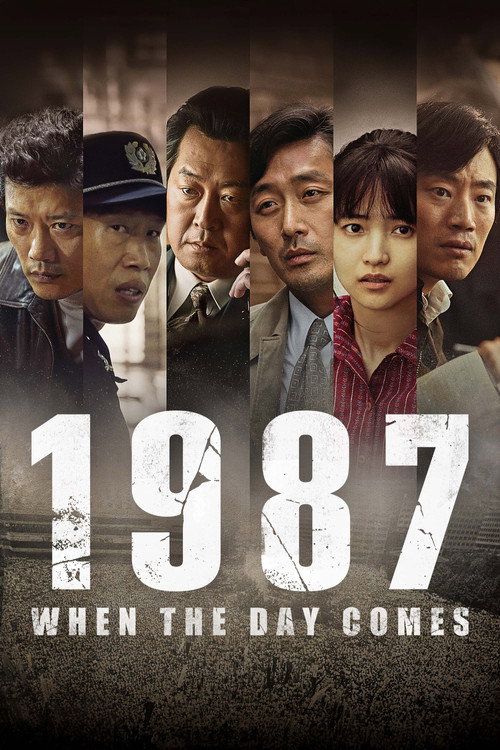
1987: When the Day Comes
2017
No user ratings available yet
Representation score: 6.9 out of 10
Representation Score
Fair
2012
Director
Chung Ji-young
Runtime
106 minutes
Average Rating
No ratings yetNew Showbiz Analysis
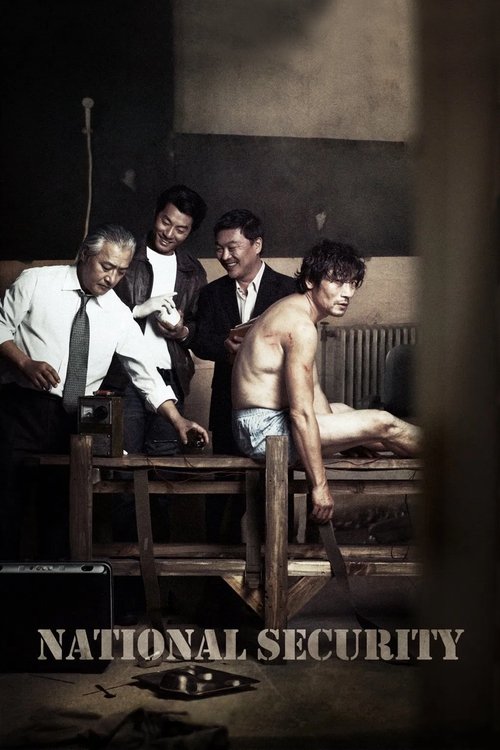
National Security is a period drama that primarily critiques institutional structures. Its narrative is confined to the male-dominated environment of 1980s South Korean intelligence agencies. While the film lacks diversity in gender, LGBTQ+, and disability representation, it excels in cultural authenticity by reflecting the specific socio-political context of the time. The film's progressive value lies in its moral questioning of power structures.
Category Breakdown
The film does not include any LGBTQ+ characters or stories. It focuses on male-centric narratives.
The story revolves around male characters and their roles in a hierarchical system. Women have limited influence and decision-making power.
The cast is predominantly of a single ethnicity, reflecting the cultural context of 1980s South Korea.
The film critiques state institutions and questions the morality of state-sanctioned actions.
Characters with disabilities are not given significant roles or ability to act in the story.
Present on Screen
Limited or Absent
Official Synopsis
On September 4, 1984, democracy movement leader Kim Jong Tae is arrested and taken to an infamous interrogation facility in Namyeong-dong. For the next 22 days, he would be cruelly and continuously tortured in all manners by interrogators intent on forcing him to confess to communist collaboration.
2017
2018

2021

2008

2007
2012
2011

2020
No reviews yet. Be the first to share your thoughts on this movie!
Use the rating form above to leave a star rating and optional review.