
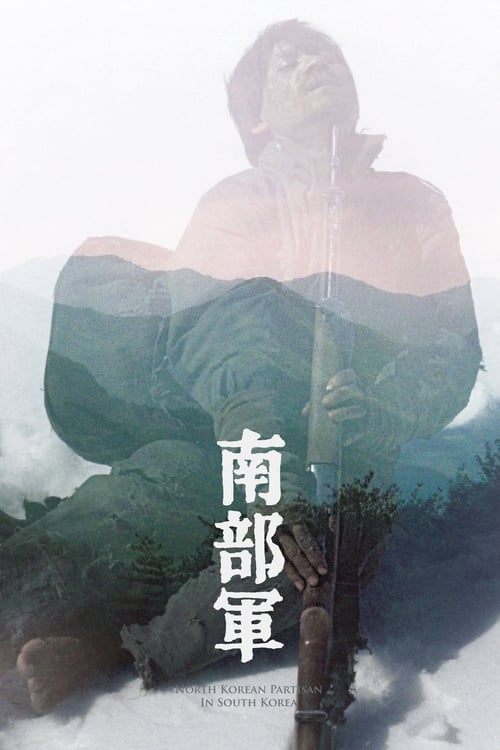
The 317th Platoon
1965
No user ratings available yet
Representation score: 4.0 out of 10
Representation Score
Fair
1990
Director
Chung Ji-young
Runtime
157 minutes
Average Rating
No ratings yetNew Showbiz Analysis
Chung Ji-young’s work provides a significant piece of historical revisionism by centering the partisan experience. The film effectively challenges state-sanctioned histories through a post-colonial lens, examining the friction between local identity and global superpower intervention. While the film succeeds in disrupting Western-centric narratives and avoiding simple heroic clichés, it remains limited by traditional gender hierarchies. The focus on male-driven military ability to act leaves female characters with secondary importance. Ultimately, the film's strength lies in its systemic critique of power and its refusal to present clear-cut heroes or villains, opting instead for a complex study of situational ethics.
Category Breakdown
The film focuses on military and political struggles within a mid-20th-century wartime setting. There is no representation of non-straight identities or narratives addressing the assumption that everyone is straight or cisgender.
The narrative emphasizes male-driven military and political roles. Women's roles appear secondary to the central conflict, reinforcing traditional hierarchies.
The cast is ethnically homogeneous due to the Korean War setting. However, the film offers a localized, non-Anglo-centric view that disrupts traditional Western-centric historical perspectives.
The film excels by critiquing Western geopolitical influences and the involvement of UN forces. It uses moral relativism to portray partisans as complex individuals navigating an ideological vacuum.
Disability is not a central component of character arcs. Characters with disabilities lack a significant role in driving the story, appearing instead as implicit indicators of the conflict's brutality.
Present on Screen
Limited or Absent
Official Synopsis
Reporter for a North Korean news service joins the partisans when the Americans and UN forces invade South Korea.
1965
2010
1992
2005
2015
1983
2016
1984
No reviews yet. Be the first to share your thoughts on this movie!
Use the rating form above to leave a star rating and optional review.