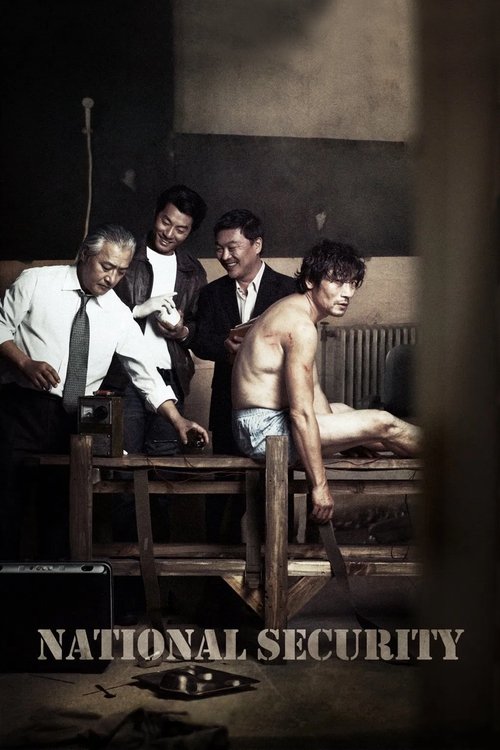
National Security
2012
No user ratings available yet
Representation score: 5.3 out of 10
Representation Score
Good
2017
Not RatedDirector
Jang Joon-hwan
Runtime
129 minutes
Average Rating
No ratings yetNew Showbiz Analysis
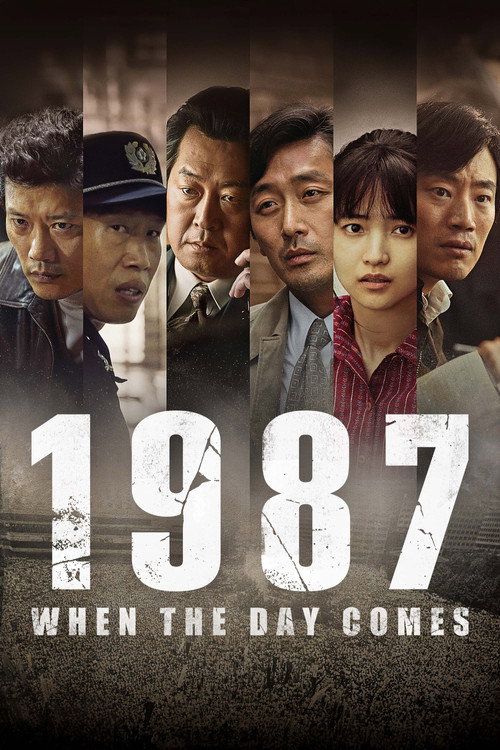
1987: When the Day Comes is a historical political thriller that prioritizes systemic critique over individual identity exploration. Its strength lies in its subversion of state authority and its portrayal of women as key players in the resistance movement. However, the historical setting leads to a lack of LGBTQ+ representation and a culturally homogeneous cast. While it addresses physical trauma, it does so through the lens of political violence rather than disability experiences. Ultimately, the film excels as a study of power dynamics and the fight for sovereignty, despite its limited demographic diversity.
Category Breakdown
The film does not include any LGBTQ+ characters or explore non-cisgender identities. It focuses solely on the socio-political context of the June Democratic Struggle.
Women are shown as active participants in the democratic movement rather than being confined to traditional domestic roles. They play significant roles in the investigative and activist aspects of the story.
Set in South Korea, the film portrays a culturally uniform society. Diversity is highlighted through the struggles of underrepresented citizens against an authoritarian state.
The narrative critiques corrupt institutions and Western-aligned authoritarianism. It emphasizes the pursuit of democratic truth over state-enforced stability.
Physical injuries and the effects of interrogation are used to highlight state brutality. These depictions focus on political implications rather than the experiences of those with disabilities.
Present on Screen
Limited or Absent
Official Synopsis
In 1987 Korea under an oppressive military regime, the unlawful interrogation and death of a college student ignite ordinary citizens to fight for the truth and bring about justice.
2012

1969

2021

1990

2020

1989

2013

2013
No reviews yet. Be the first to share your thoughts on this movie!
Use the rating form above to leave a star rating and optional review.