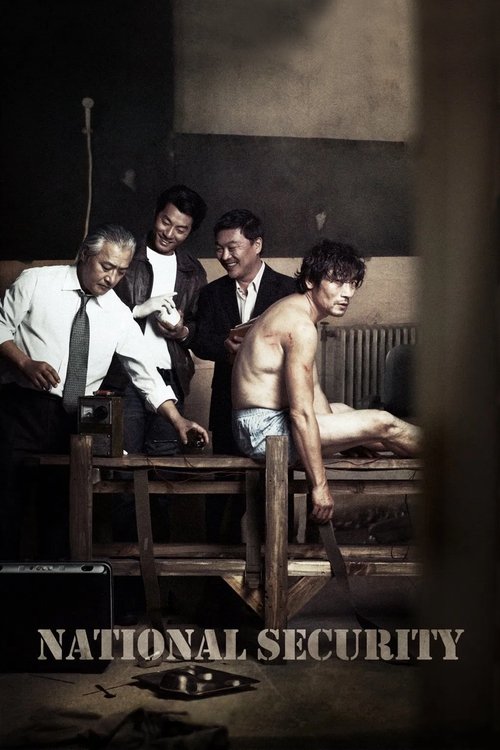
National Security
2012
No user ratings available yet
Representation score: 5.3 out of 10
Representation Score
Limited
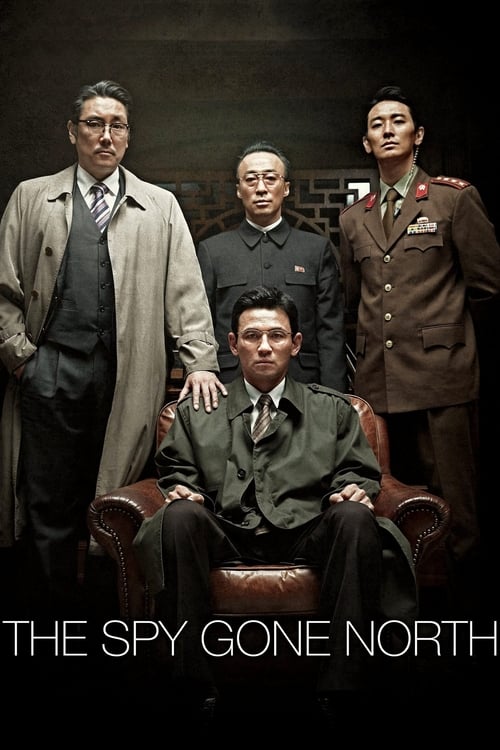
2018
PG-13Director
Yoon Jong-bin
Runtime
138 minutes
Average Rating
No ratings yetNew Showbiz Analysis
The film is a focused political thriller that emphasizes geopolitical tension rather than broad social themes. It lacks LGBTQ+ and disability representation, reflecting a narrow focus on statecraft and espionage mechanics. Gender dynamics are traditionally male-dominated, but the film explores complex identities and critiques institutional morality through the lens of the Korean conflict. Overall, the film is a sophisticated study of systemic corruption and fragmented identities, though it adheres to a conventional demographic framework.
Category Breakdown
The film does not include any LGBTQ+ characters or address issues related to the assumption that everyone is straight or cisgender.
The story centers around male intelligence officers, with female characters playing secondary roles without much influence over the plot.
The cast is primarily made up of actors representing North and South Korea, highlighting the ethnic and nationalistic tensions.
The film effectively critiques rigid institutions and state-sanctioned morality by using espionage to challenge traditional moral structures.
There are no portrayals of physical or neurodivergent disabilities. The narrative focus remains strictly on the psychological toll of political deception.
Present on Screen
Limited or Absent
Official Synopsis
South Korea, 1993. An agent of the National Intelligence Service is sent to Beijing to infiltrate a group of North Korean officials with the ultimate goal of obtaining information about their nuclear program.
2012

1999

2014

2016

2003
2020

2012

2018
No reviews yet. Be the first to share your thoughts on this movie!
Use the rating form above to leave a star rating and optional review.