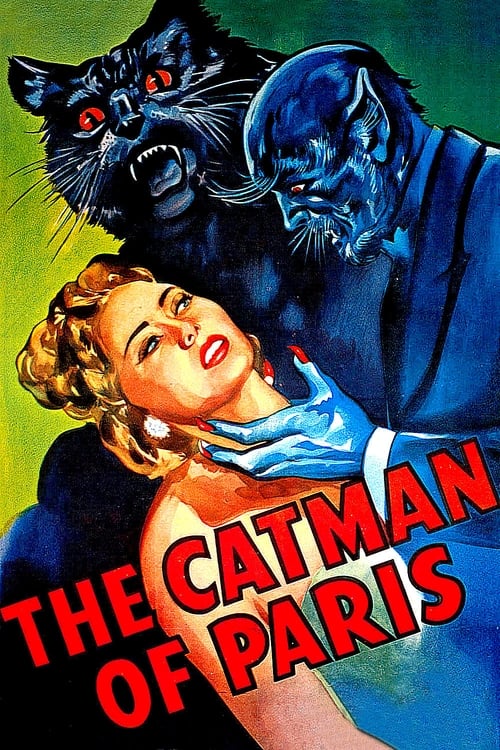
The Catman of Paris
1946
No user ratings available yet
Diversity score: 1.6 out of 10

1948
Director
Oscar Burn
Runtime
49 minutes
Average Rating
No ratings yetSynopsis
During the War, a British agent travels to the remote Glennye Castle in the wilds of Scotland to investigate a mysterious murder by a masked phantom. Who or what is the phantom? And how are the Germans involved?
Overall Score
Limited
Category Breakdown
LGBTQ+ Representation
The film lacks any evidence of non-cisnormative identities. The narrative focuses on a British agent and a masked phantom, adhering to the strict social decorum of 1948.
Gender Representation
The story centers on a male agent performing a high-stakes investigation. This structure relies on masculine leadership and lacks evidence of female characters possessing significant agency.
Racial & Ethnic Diversity
The setting and conflict suggest a focus on Western European tensions. The cast likely reflects the homogeneous demographic typical of late 1940s British productions.
Religious & Cultural Diversity
The plot reinforces traditional notions of national duty and wartime patriotism. It operates within a framework of defending Western interests and institutional stability.
Disability Representation
There is no mention of characters with visible or invisible disabilities. No evidence exists regarding neurodivergence or physical disability within the character arcs.
Strengths
Areas for Improvement
AI Analysis
Castle Sinister is a mid-century horror-thriller that follows the traditional cinematic conventions of its era. The narrative architecture prioritizes wartime espionage and Western European geopolitical tensions, which limits its scope for diverse representation. The film's focus on a male British agent investigating German involvement suggests a reliance on conventional gender roles and masculine competence. This structure reinforces mid-century social hierarchies rather than subverting them. Overall, the production appears to reflect the homogeneous demographic and patriotic themes common in 1948 British cinema. It lacks intersectional perspectives or non-Anglo-Saxon representation.
1946
2013
1974
1944
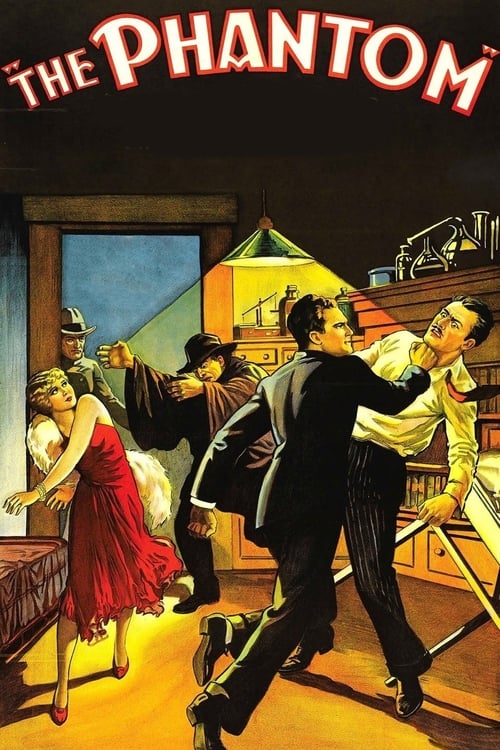
1931
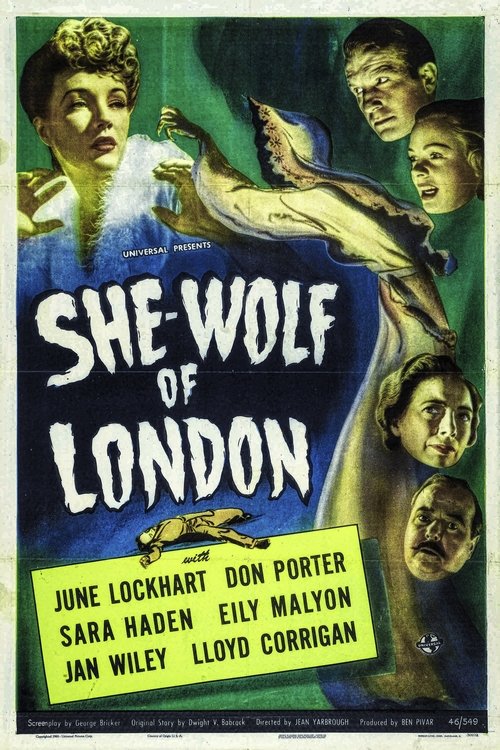
1946
No reviews yet. Be the first to share your thoughts on this movie!
Use the rating form above to leave a star rating and optional review.