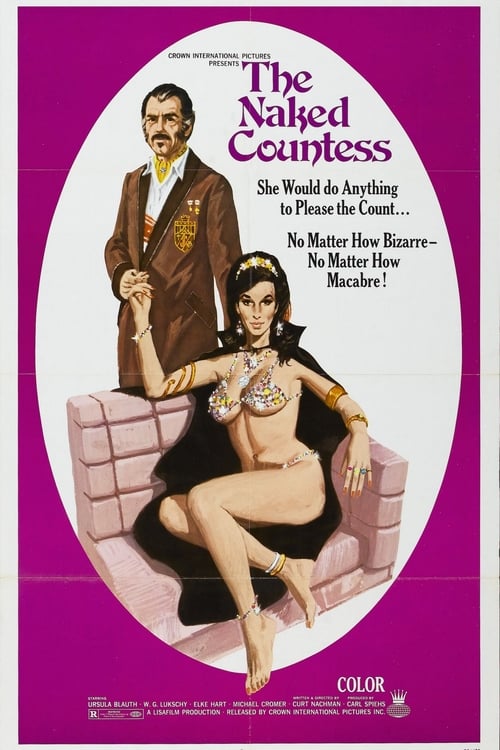
The Naked Countess
1971
No user ratings available yet
Diversity score: 4.2 out of 10
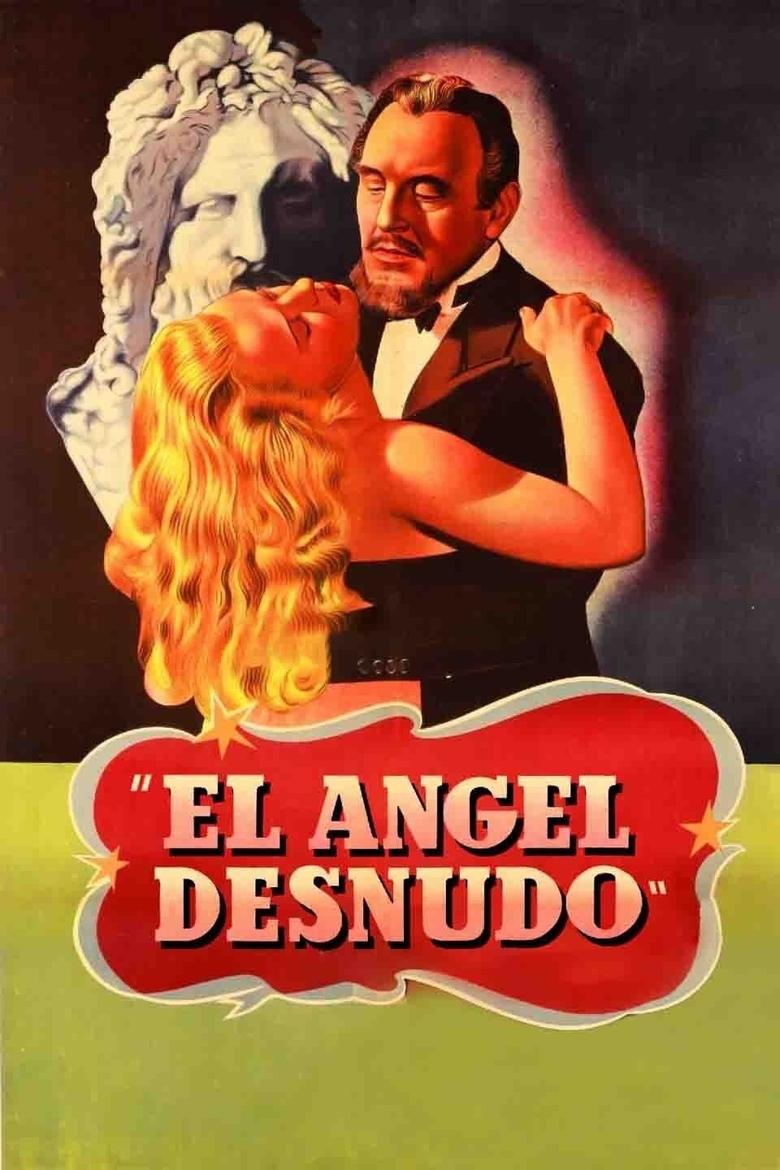
1946
Director
Carlos Hugo Christensen
Runtime
78 minutes
Average Rating
No ratings yetSynopsis
A sculptor lends money to a bankrupt man, who agrees to allow his daughter pose for the sculptor's next work. The film caused a scandal in Argentina for the depiction of then 17-year-old Olga Zubarry's naked back. Adaptated from the novel "Fräulein Else" by Arthur Schnitzler.
Overall Score
Limited
Category Breakdown
LGBTQ+ Representation
The film lacks explicit LGBTQ+ characters or non-heteronormative identities. The narrative focuses on a transactional relationship between a male sculptor and a female subject.
Gender Representation
The film disrupts traditional hierarchies by centering the female subject in the artistic process. The depiction of the protagonist's body challenged the patriarchal modesty standards of 1940s Argentina.
Racial & Ethnic Diversity
The production reflects the demographic homogeneity of the mid-1940s Argentine film industry. Casting and settings adhere to Eurocentric standards without evidence of racial blending.
Religious & Cultural Diversity
The story explores economic desperation and the commodification of individuals. While it challenges idealized notions of virtue, it remains rooted in traditional European dramatic traditions.
Disability Representation
There is no evidence of characters with physical or neurodivergent disabilities within the narrative.
Strengths
Areas for Improvement
AI Analysis
The Naked Angel is a period drama that uses provocative imagery to navigate social decorum. Its primary impact lies in how it disrupts visual modesty, granting a nascent form of agency to its female protagonist. While the film offers a subversion of gendered expectations through its central muse, it remains limited by the era's demographic homogeneity. The narrative lacks intersectional complexity, focusing instead on a traditional European dramatic structure. Ultimately, the film serves as a historical marker of social tension rather than a diverse modern text. It challenges moral constraints through its subject matter but lacks broader representation.
1971
1959
1988
1920
1930
1957
1983
1978

1995
1963
1979
1982
No reviews yet. Be the first to share your thoughts on this movie!
Use the rating form above to leave a star rating and optional review.