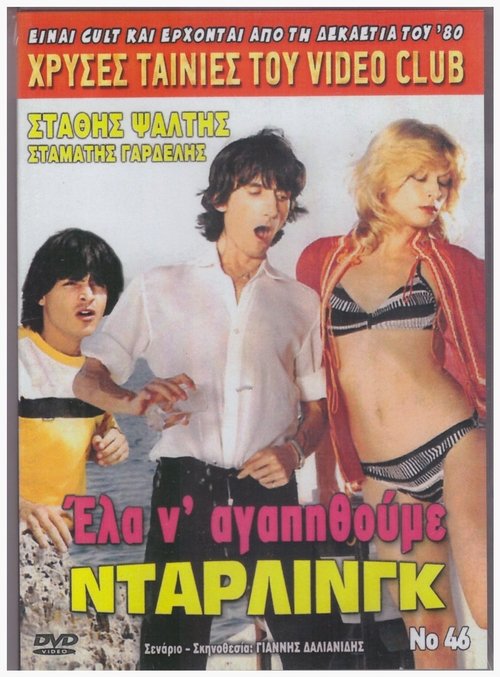
Darling, Let's Get Naked!
1984
No user ratings available yet
Representation score: 2.3 out of 10
Representation Score
Limited
1983
Director
Giannis Dalianidis
Runtime
98 minutes
Average Rating
No ratings yetNew Showbiz Analysis
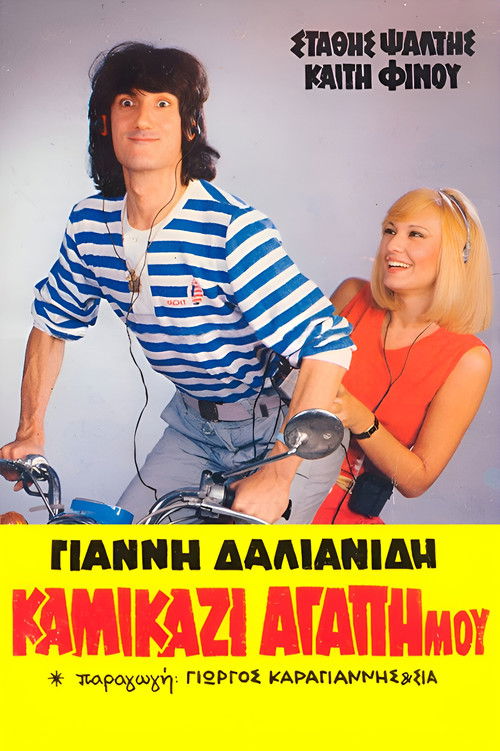
Kamikazi, agapi mou is a period-specific comedy that centers on character quirks and family ties rather than diverse representation. The plot follows a conventional arc of youthful mistakes and eventual reconciliation within the family unit. The film delves into individual passions through music and hobbies but does not critically examine social hierarchies. It reflects the entertainment standards of its time, emphasizing local social dynamics.
Category Breakdown
The film does not include any characters with non-binary gender identities or same-sex relationships. Its focus on romantic loss aligns with traditional 1980s Greek comedy.
The movie portrays a traditional family structure where the mother is a key decision-maker and provider. However, the characters adhere to conventional comedic archetypes rather than challenging traditional gender roles.
The film features a predominantly white cast typical of the Greek film industry in 1983. There is no indication of intentional racial diversity or casting actors of non-white backgrounds.
The story highlights personal pursuits such as rock music and dancing, which create tension with societal norms. However, the resolution supports traditional family-centric values.
The narrative does not involve characters dealing with physical, sensory, or neurodivergent conditions.
Present on Screen
Limited or Absent
Official Synopsis
Stathis loves bikes, Rena wants to dance all the time and Aleksis goes crazy for rock music. They are three crazy siblings. One of them, Stathis, doesn't seem capable to keep a job and when he loses his girlfriend, his mother decides to give him what he loves the most, a motorcycle!
1984

1995

1968

1980

1963
1979

1969

1961
No reviews yet. Be the first to share your thoughts on this movie!
Use the rating form above to leave a star rating and optional review.