The Ladykiller
1969
No user ratings available yet
Representation score: 2.5 out of 10
Representation Score
Limited
1967
Director
Giannis Dalianidis
Runtime
78 minutes
Average Rating
No ratings yetNew Showbiz Analysis
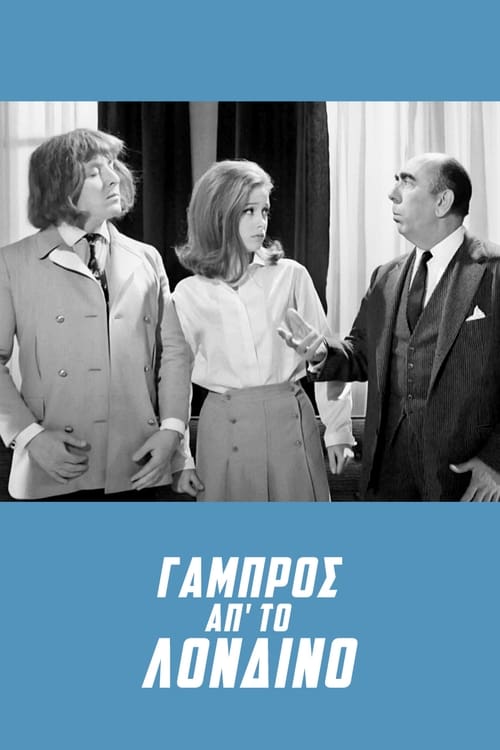
Groom from London is a classic 1960s musical comedy that centers on standard romantic clichés. It reinforces established social and familial hierarchies rather than challenging them. The film relies on traditional gender roles and straight-centered structures to drive its plot. While it uses cultural displacement for comedic effect, it does not address broader social norms through diverse representation.
Category Breakdown
The film focuses on heterosexual relationships and does not include characters with non-cisgender identities or stories that question the assumption that everyone is straight.
Female characters play key roles in emotional conflicts, but their influence is often tied to romantic relationships or reactions to men. Male characters follow typical clichés of the hardworking provider and impersonator.
The cast is predominantly white, despite the London setting. Cultural displacement is used for comedic effect but does not challenge Western social norms through diverse representation.
The story upholds traditional social institutions like family approval and marriage. It uses the fish-out-of-water cliché to create relatable comedic situations within a familiar social order.
Mental health issues are portrayed through Mary's suicide attempt, serving as a plot catalyst. This depiction emphasizes emotional impact rather than a nuanced exploration of neurodivergence.
Present on Screen
Limited or Absent
Official Synopsis
Betty has become engaged, for her father’s sake, with a hard working and kind young man, Kostas, who works at a store selling electrical appliances that belongs to Betty’s father, Mr. Periklis. The latter values Kostas and truly wants to make him his son-in-law. Kostas saves the life of a sensitive girl, Mary, who tries to commit suicide because her English lover deserted her. Later on, he is persuaded to impersonate a rich Englishman in order to help Mary deal with her father, Mr. Kyriakos, who is trying to force her to marry someone against her will.
1969
1967
1968

1978
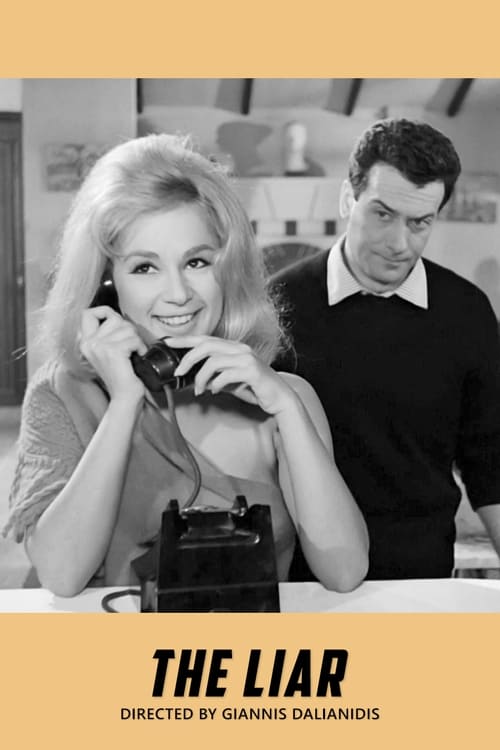
1963
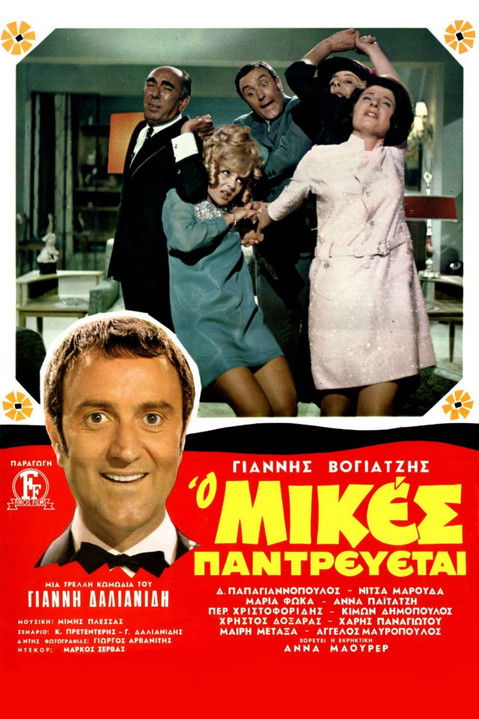
1968
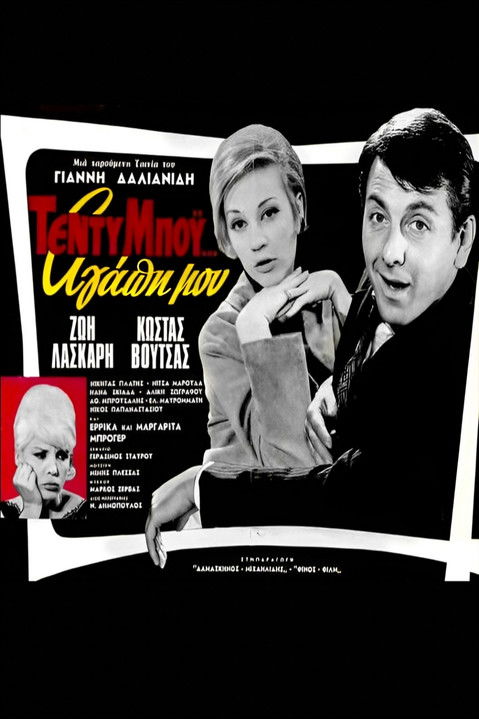
1965
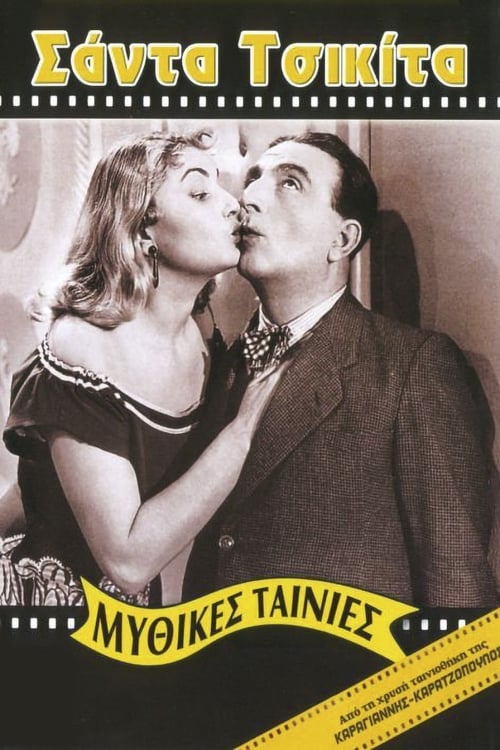
1953
No reviews yet. Be the first to share your thoughts on this movie!
Use the rating form above to leave a star rating and optional review.