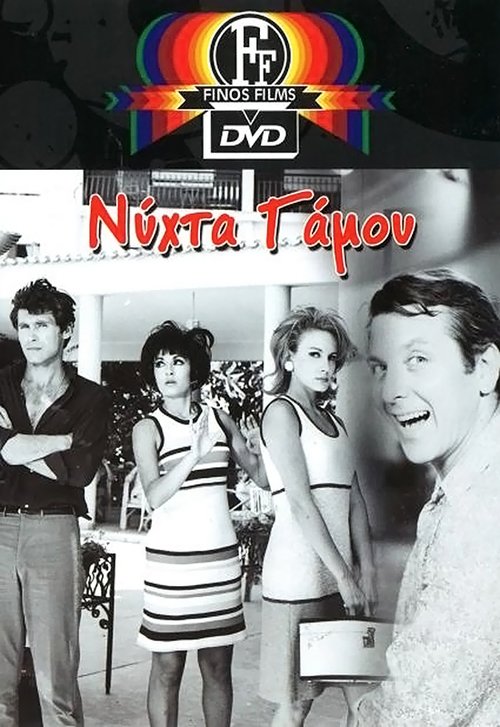
Wedding night
1967
No user ratings available yet
Diversity score: 2.6 out of 10

1962
Director
Giannis Dalianidis
Runtime
88 minutes
Average Rating
No ratings yetSynopsis
Claiming that he and his brother, Dimos, are like two peas in a pod, a womanising husband puts the blame on him when his wife discovers a compromising photograph. Now, he has a lot of explaining to do. Is he or Dimos the man in the photo?
Overall Score
Limited
Category Breakdown
LGBTQ+ Representation
The film focuses on heteronormative marital dynamics and infidelity. There is no evidence of non-cisnormative identities or critiques of heteronormativity within the plot.
Gender Representation
The narrative relies on a classic trope where a male protagonist evades accountability to his wife. Masculinity is portrayed through the 'charming but deceptive' archetype common in period comedies.
Racial & Ethnic Diversity
The production reflects the demographic homogeneity of 1962 Greece. The setting and casting are inherently localized to the cultural context of Trikala.
Religious & Cultural Diversity
The story reinforces traditional social structures and the sanctity of the nuclear family. Comedic tension arises from threats to these institutions rather than critiques of them.
Disability Representation
The available synopsis provides no mention of characters with visible or invisible disabilities.
Strengths
Areas for Improvement
AI Analysis
Dimos from Trikala is a traditional 1962 farce that operates within the established social norms of its era. The plot utilizes a comedy of errors centered on domestic misunderstanding and infidelity, reinforcing mid-century Mediterranean social hierarchies rather than subverting them. The film relies heavily on conventional comedic archetypes, particularly regarding gendered power dynamics and the deflection of responsibility. It functions as a localized product of the Greek studio system, prioritizing popular entertainment over progressive narrative agency. Ultimately, the work lacks intersectional depth or diverse representation, serving instead as a reflection of the demographic and cultural homogeneity of the period.
1967
1961
1966
1984
1959
1962
1969
1972
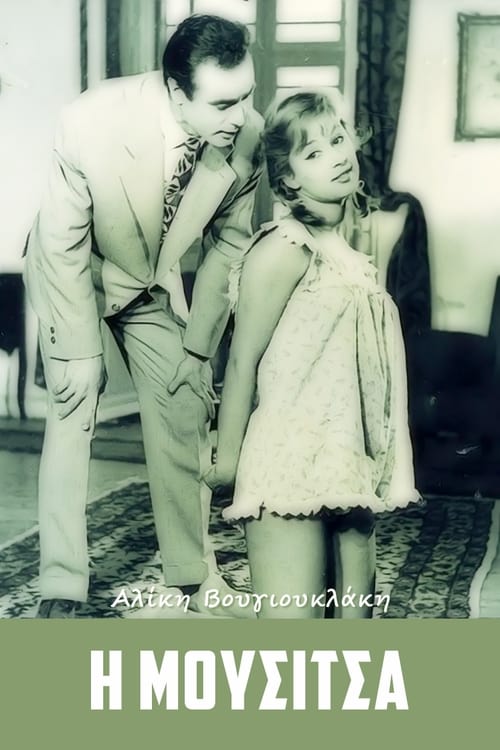
1959
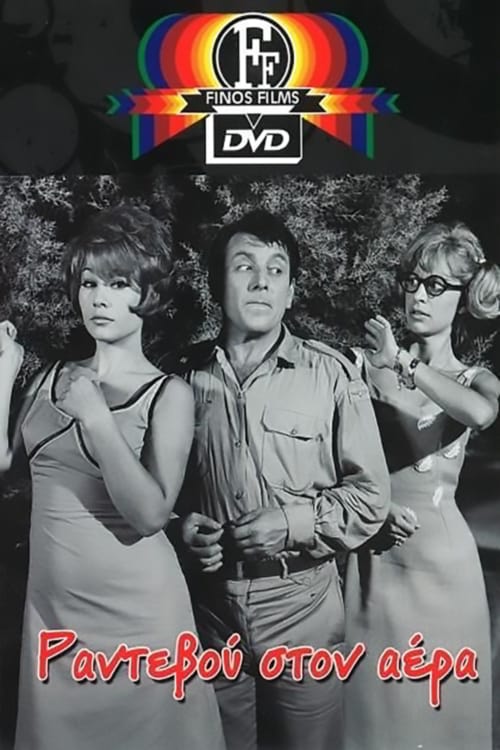
1966
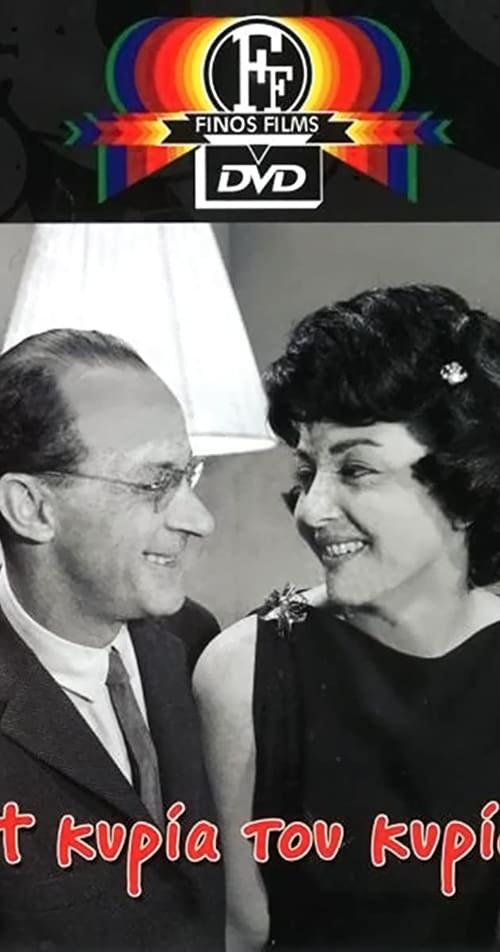
1962
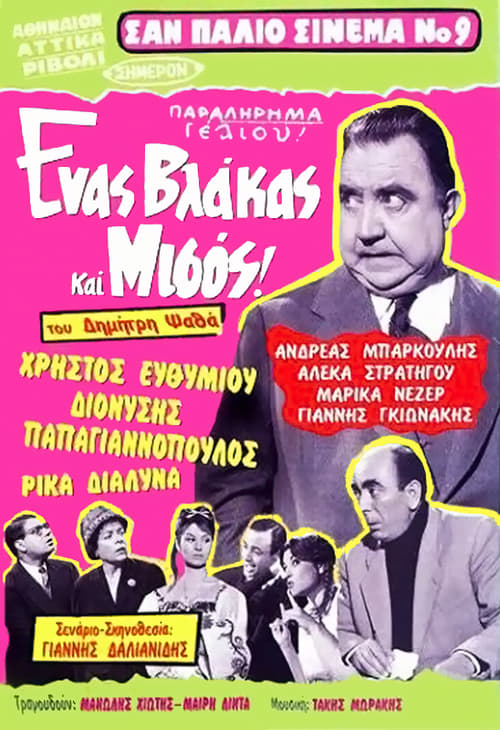
1959
No reviews yet. Be the first to share your thoughts on this movie!
Use the rating form above to leave a star rating and optional review.