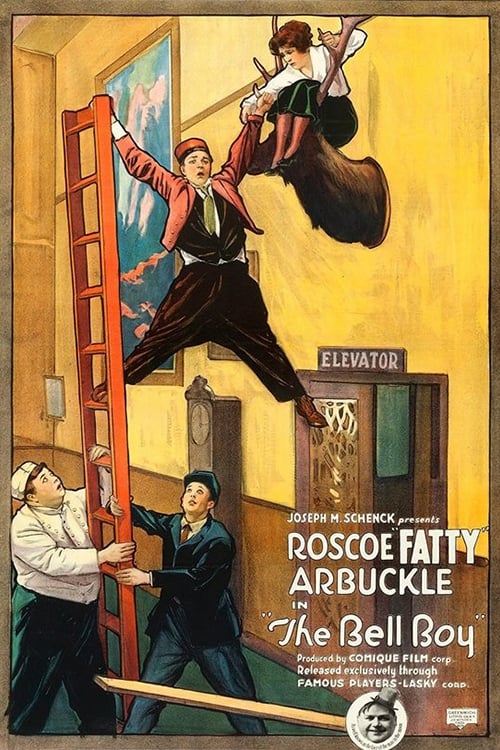
The Bell Boy
1918
No user ratings available yet
Diversity score: 2.4 out of 10
1917
NRDirector
Roscoe Arbuckle
Runtime
24 minutes
Average Rating
No ratings yetSynopsis
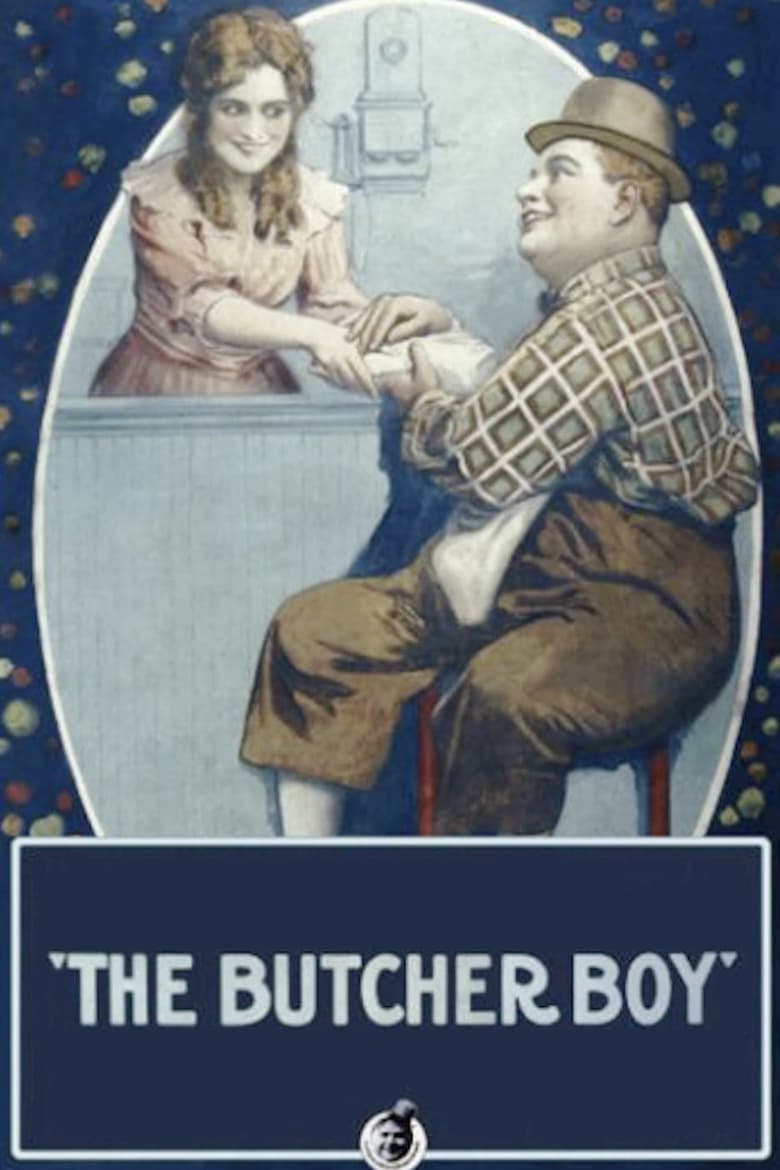
Customers and clerks frolic in a general store. Roscoe walks out of the freezer wearing a fur coat, then does some clever cleaver tossing. In Buster's film debut he buys a pail of molasses.
Overall Score
Minimal
Category Breakdown
LGBTQ+ Representation
The film offers no evidence of non-heteronormative identities or same-sex intimacy. The narrative focus remains strictly on physical comedy and commercial interactions.
Gender Representation
The comedy is heavily male-centric, highlighting the physical feats of Arbuckle and Keaton. There is no indication of women in roles that challenge traditional archetypes.
Racial & Ethnic Diversity
The setting reflects the demographic homogeneity typical of 1917. The film appears to follow the era's standard casting practices centered on white performers.
Religious & Cultural Diversity
The story depicts a standard general store environment celebrating traditional industriousness. It reinforces the stability of local commerce rather than deconstructing Western institutions.
Disability Representation
No characters with visible or invisible disabilities are portrayed with agency. The narrative does not include disability as a central element.
Strengths
Areas for Improvement
AI Analysis
The Butcher Boy is a quintessential example of early silent slapstick, prioritizing kinetic energy and physical gags over social commentary. The film centers on the comedic prowess of Roscoe Arbuckle and Buster Keaton within a general store setting. Because the film adheres to the comedic norms of 1917, it lacks intentional intersectional representation. The narrative architecture is built around situational humor and physical stunts rather than the disruption of social hierarchies. Ultimately, the work functions as a period-specific entertainment piece. It reflects the demographic and social structures of its era, focusing on character movement and commercial vignettes.
1918
1920
1919
1915
1917

1918
1917
1919
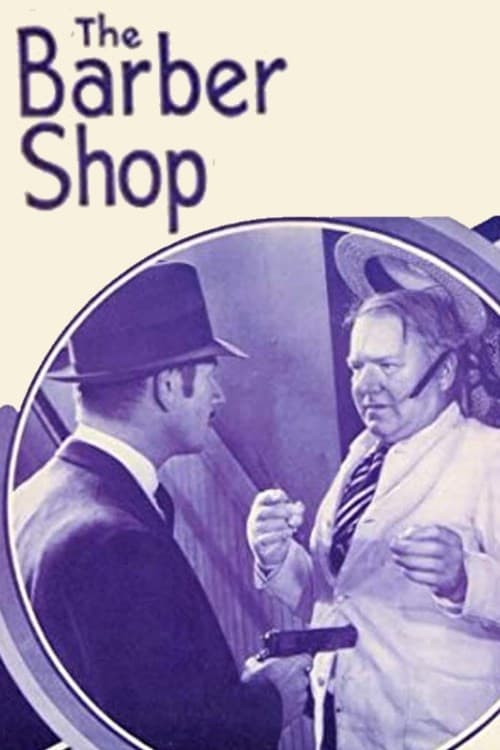
1933
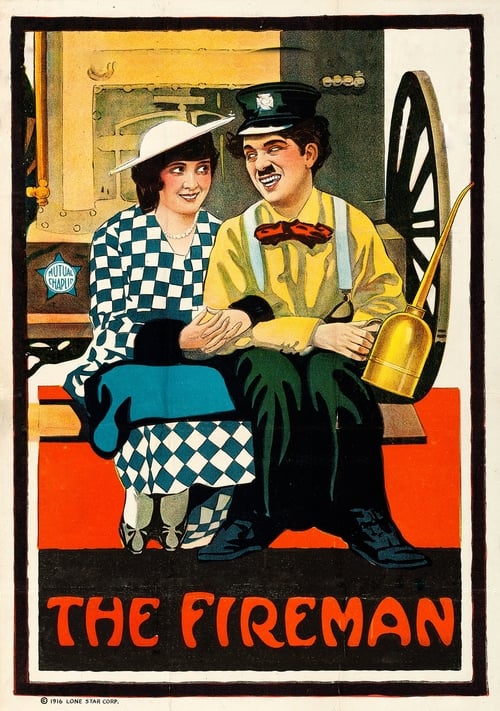
1916
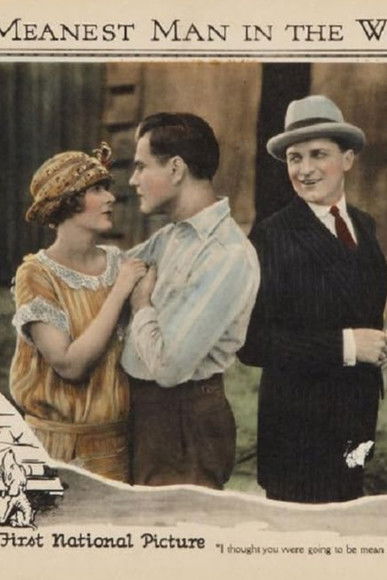
1923
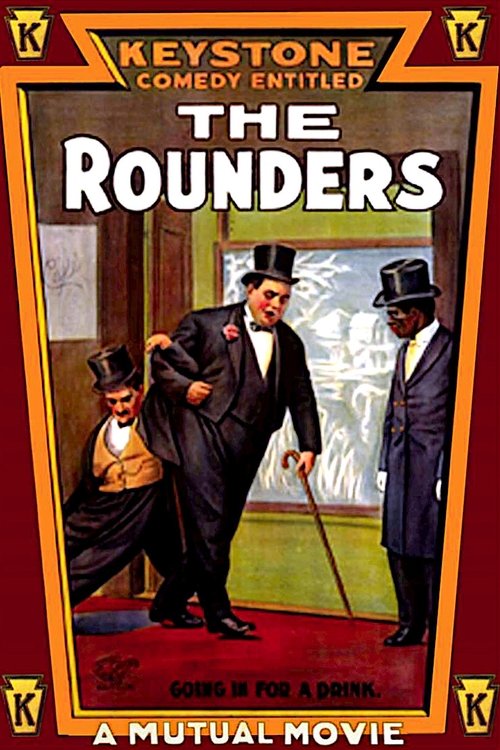
1914
No reviews yet. Be the first to share your thoughts on this movie!
Use the rating form above to leave a star rating and optional review.