Ad Fundum
1993
No user ratings available yet
Representation score: 1.5 out of 10

Representation Score
Minimal
1952
NRDirector
Paul Henreid
Runtime
94 minutes
Average Rating
No ratings yetNew Showbiz Analysis
For Men Only is a mid-century drama reflecting the social norms of its time. The plot revolves around a professor investigating a student's death linked to college hazing rituals, placing the narrative within a traditional, male-centric framework. The film delves into the consequences of social conformity and peer pressure. However, it does so through a conventional lens that lacks diverse or subversive representation. Ultimately, the production is a product of its era, emphasizing a homogeneous demographic and traditional social structures over varied or unconventional portrayals.
Category Breakdown
The film does not include any explicit LGBTQ+ characters or stories. It focuses on traditional male bonding and social structures in college life, which historically center on straight relationships.
The story centers on a male-dominated environment with hazing and masculine rituals. It looks at the darker side of male social cohesion without challenging traditional gender roles.
The film likely follows the demographic trends typical of 1952 American college dramas. There is no indication of diverse racial representation or characters from different backgrounds.
The story explores the tension between personal ethics and institutional traditions. It operates within a traditional moral framework without questioning Western cultural institutions.
There is no information about the portrayal of physical or cognitive disabilities in this production.
Present on Screen
Limited or Absent
Official Synopsis
A college professor begins to suspect that a student's accidental death was tied to his refusal to take part in a traditional "hazing" and was no accident.
1993
1951
1977

1930
1960
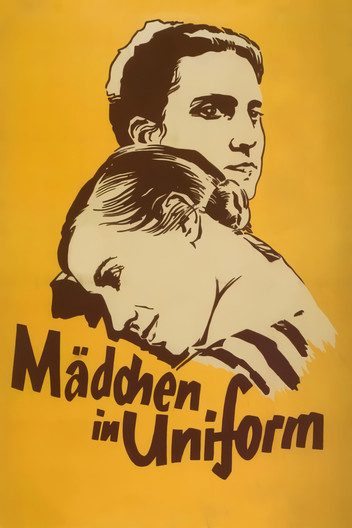
1931

1951

2017
No reviews yet. Be the first to share your thoughts on this movie!
Use the rating form above to leave a star rating and optional review.