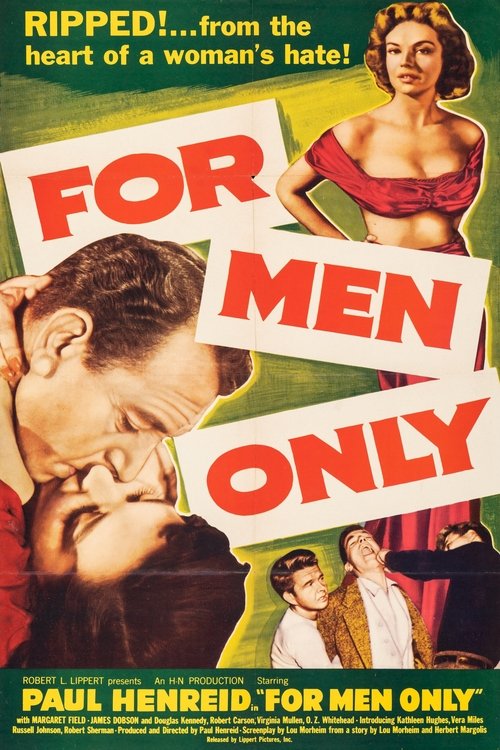
For Men Only
1952
No user ratings available yet
Representation score: 1.6 out of 10
Representation Score
Minimal
1951
NRDirector
Jean Negulesco
Runtime
93 minutes
Average Rating
No ratings yetNew Showbiz Analysis
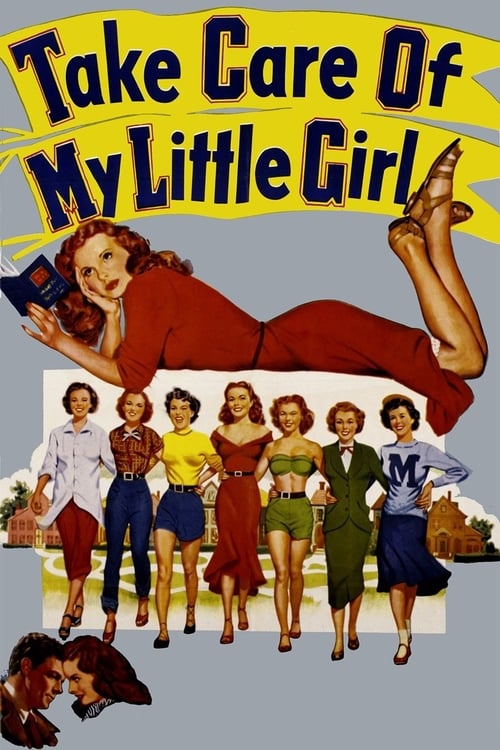
Take Care of My Little Girl examines mid-century social hierarchies and the struggles of single motherhood. While it offers meaningful character development for its female lead, the film remains tied to the conventional demographic and moral structures of its time, lacking broader social critique. The narrative explores gendered social pressures and the complexities of single motherhood. However, it does not address broader issues of diversity or inclusion.
Category Breakdown
The film does not include any representation of LGBTQ+ identities or non-straight relationships.
The story focuses on the female protagonist's ability to drive the story and emotional journey, highlighting her resilience and the challenges of single motherhood.
The setting reflects a homogeneous society typical of 1950s Hollywood, with no racial diversity or blending.
The film emphasizes social respectability and the preservation of the family unit within a standard Western moral framework.
There is no depiction of characters with physical or neurodivergent disabilities.
Present on Screen
Limited or Absent
Official Synopsis
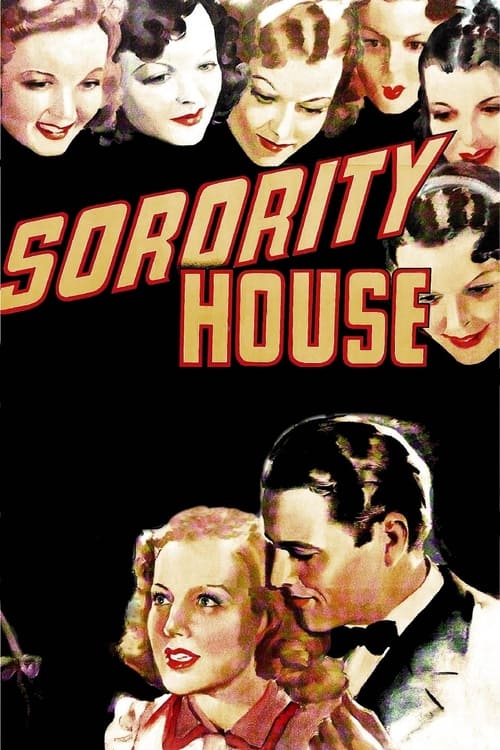
A young woman enters college and learns some hard truths about sorority life, including snobbery and the cruelty of hazing.
1952
1937
1939

2015
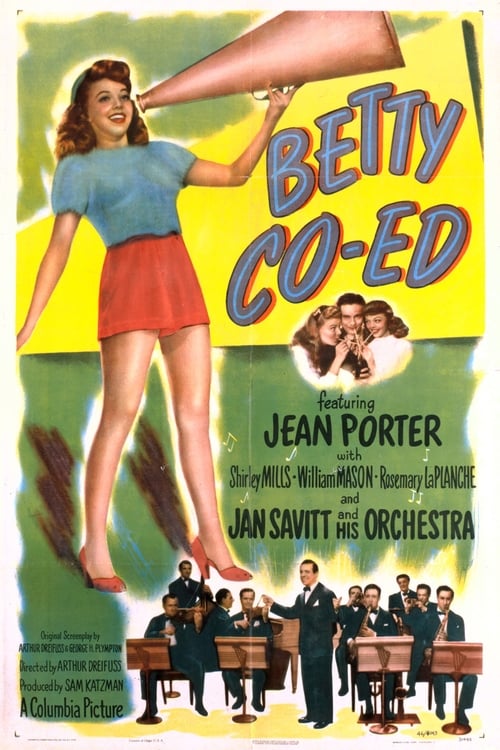
1946
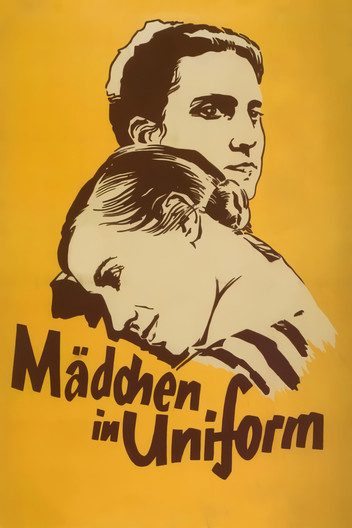
1931
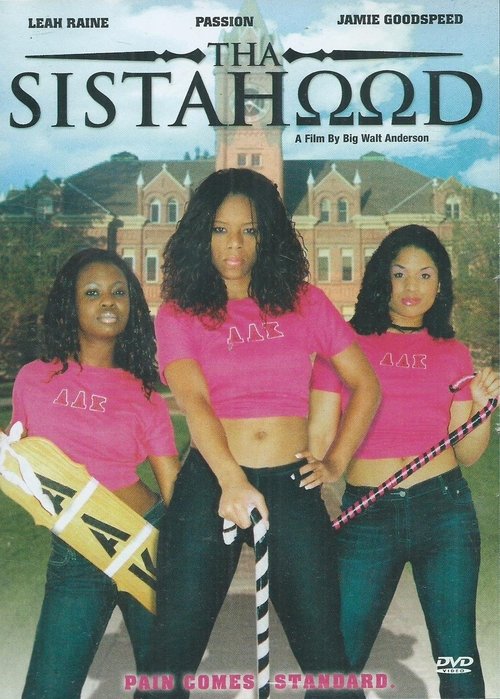
2004

2004
No reviews yet. Be the first to share your thoughts on this movie!
Use the rating form above to leave a star rating and optional review.