Home from Home – Chronicle of a Vision
2013
No user ratings available yet
Diversity score: 4.8 out of 10
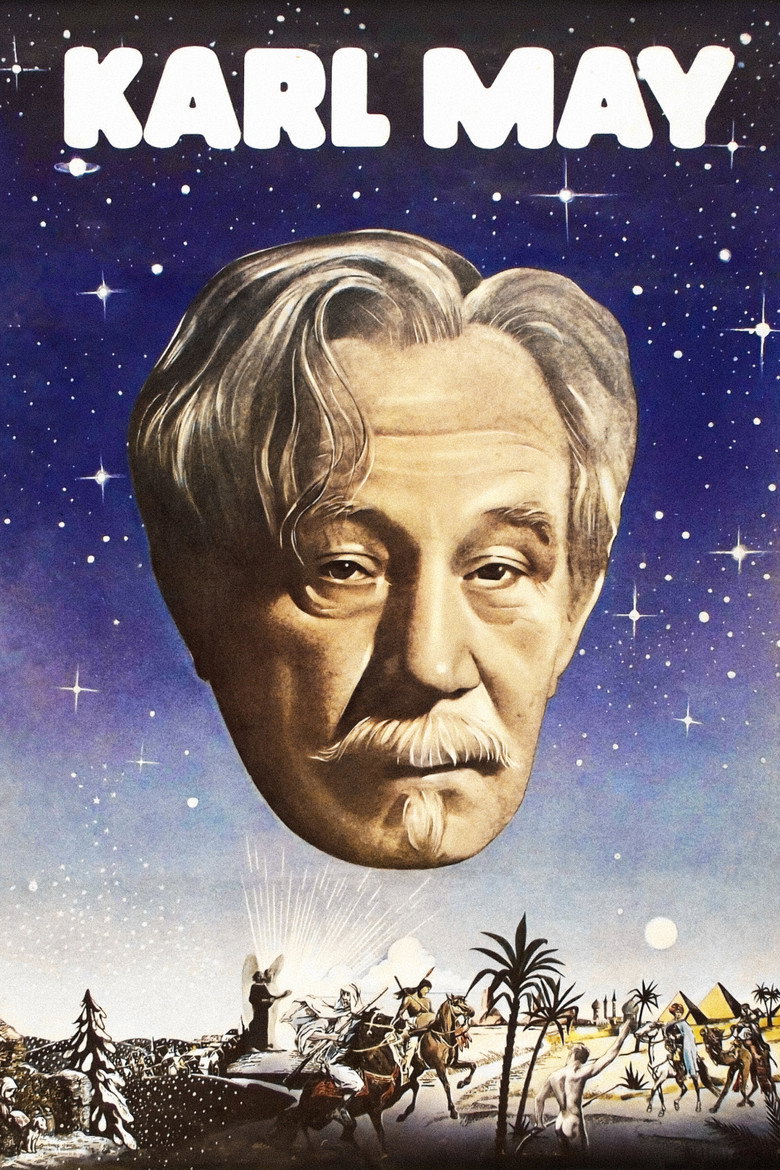
1974
Runtime
187 minutes
Average Rating
No ratings yetSynopsis
This ethereal, three-hour biopic is the middle film in Hans-Jürgen Syberberg’s “German Trilogy” on the mythological foundations of the Third Reich. By fusing theater, music, and cinema, Syberberg conjures up Karl May (1842-1912), the immensely popular German author, who set many of his adventure novels in an idealized version of the American Wild West. His tales of the cowboy and the Ubermensch alike were beloved by many, including (Our) Hitler, who supposedly ordered his generals to read May works after defeats in the Russian campaign.
Overall Score
Fair
Category Breakdown
LGBTQ+ Representation
The film lacks explicit, character-driven LGBTQ+ narratives due to its experimental structure. It focuses on the semiotics of myth rather than individual identity politics or active queer agency.
Gender Representation
The narrative prioritizes the intellectual legacy of a male author. It fails to center female agency or subvert gender hierarchies through prominent female protagonists.
Racial & Ethnic Diversity
The film critiques racialized archetypes and the 'Other' through a postmodern lens. However, it addresses these problematic myths without providing a diverse cast to counter them.
Religious & Cultural Diversity
Syberberg provides a profound interrogation of nationalistic myths and Western institutions. The film critiques how traditional German identity and adventure tropes were used to bolster oppressive structures.
Disability Representation
There is no significant evidence regarding the portrayal of physical or neurodivergent disabilities within the work.
Strengths
Areas for Improvement
AI Analysis
Hans-Jürgen Syberberg’s *Karl May* is an avant-garde meditation on national mythos rather than a traditional biopic. It functions as a deconstruction of how idealized Western archetypes contributed to the psychological architecture of German identity. The film's strength lies in its intellectual disruption of the 'heroic' Western myth. It examines the systemic dangers of uncritical adherence to nationalistic archetypes and how these narratives were co-opted by the Third Reich. However, the work lacks contemporary demographic inclusion. It prioritizes semiotic critique over the agentic representation of marginalized groups, resulting in a lack of diverse casting and character-driven identity narratives.
2013
2005
1984

2014
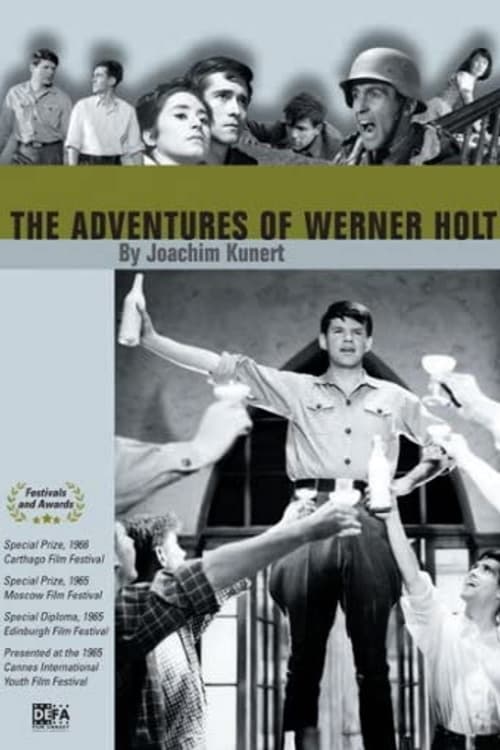
1965
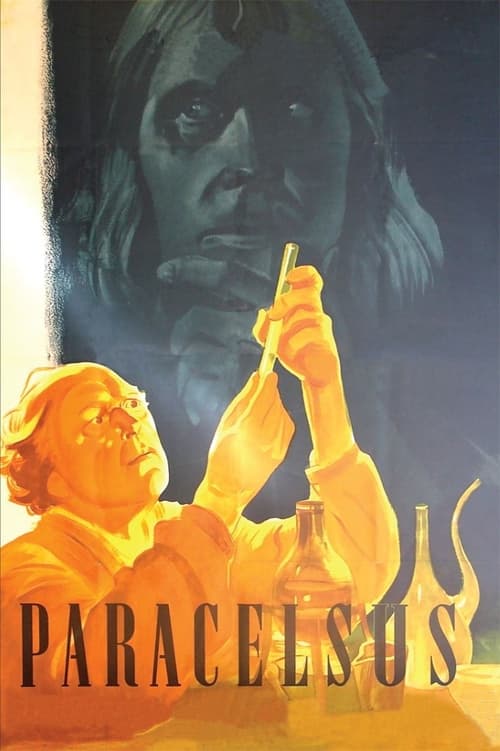
1943
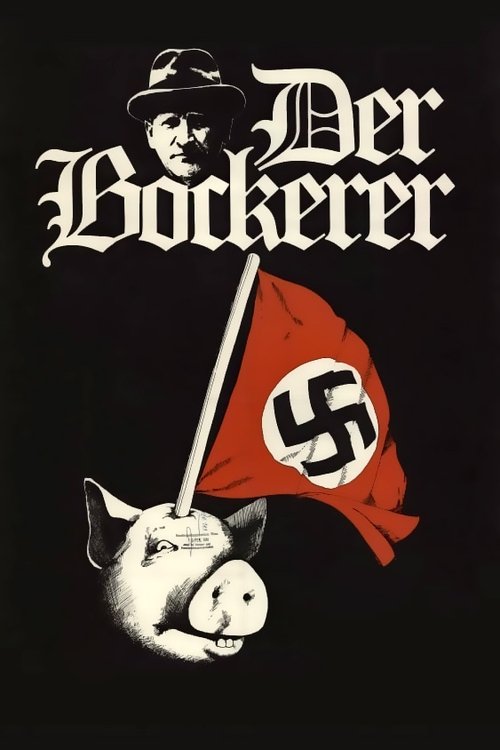
1981
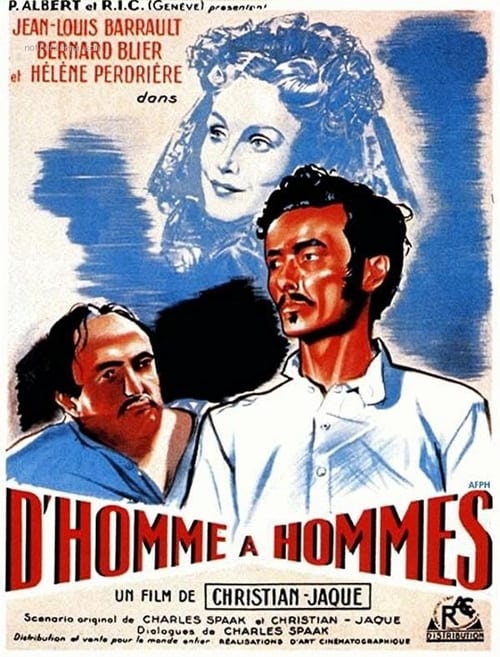
1948
2018
2013
1943
2024
No reviews yet. Be the first to share your thoughts on this movie!
Use the rating form above to leave a star rating and optional review.