A Diary for Timothy
1945
No user ratings available yet
Representation score: 1.6 out of 10
Representation Score
Minimal
1941
Director
Humphrey Jennings
Runtime
8 minutes
Average Rating
No ratings yetNew Showbiz Analysis
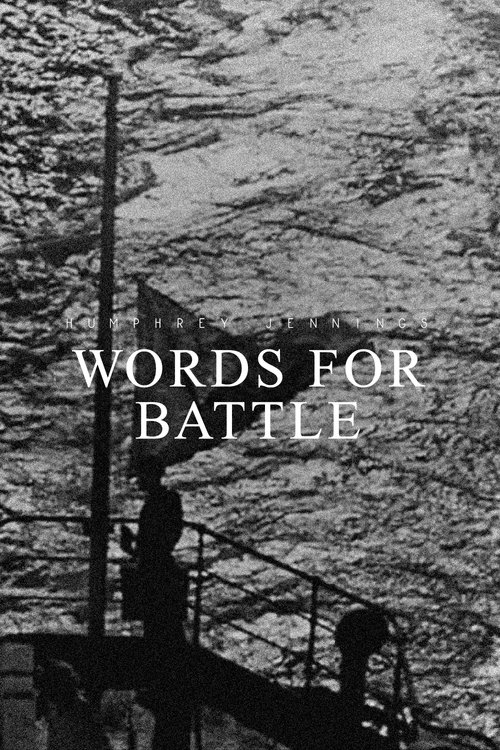
Words for Battle serves as a period-specific artifact designed for national mobilization rather than social exploration. Its cinematic poetry and documentary techniques aim to solidify traditional hierarchies and a unified cultural identity during the Blitz. The film's structure relies on the English literary canon and masculine political oratory to build a singular moral framework. This approach prioritizes national cohesion over the representation of diverse identities or underrepresented perspectives. Ultimately, the film functions as a tool for wartime propaganda, reinforcing existing social norms to address the existential threats of 1941.
Category Breakdown
The film lacks LGBTQ+ characters or narratives. It functions as a nationalistic rallying cry that prioritizes straight-centered social cohesion during wartime.
The film emphasizes masculine leadership through the speeches of Churchill and Lincoln, presenting women primarily as supporters of the state rather than key political figures.
The film's visual and poetic elements reflect a predominantly Anglo-Saxon cultural identity, focusing on the domestic English experience during wartime.
The narrative reinforces traditional Western institutions and patriotism through the use of the English poetic canon, fostering unity and defending established democratic structures.
There is no evidence of disability as a central thematic element or featured narrative arc within the documentary.
Present on Screen
Limited or Absent
Official Synopsis
Poetry by Rudyard Kipling, John Milton, and William Blake, and excerpts from speeches by Abraham Lincoln and Winston Churchill, all read by Laurence Olivier, illuminate documentary footage of England during its defense against the Nazi blitz in World War II. This short film serves as both propaganda and as a rallying cry to the British people.
1945
1935
1939
1939
1941
1942
1960
1940
No reviews yet. Be the first to share your thoughts on this movie!
Use the rating form above to leave a star rating and optional review.