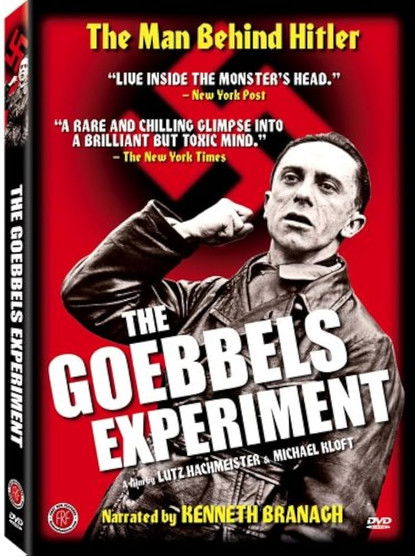
The Goebbels Experiment
2005
No user ratings available yet
Diversity score: 1.3 out of 10
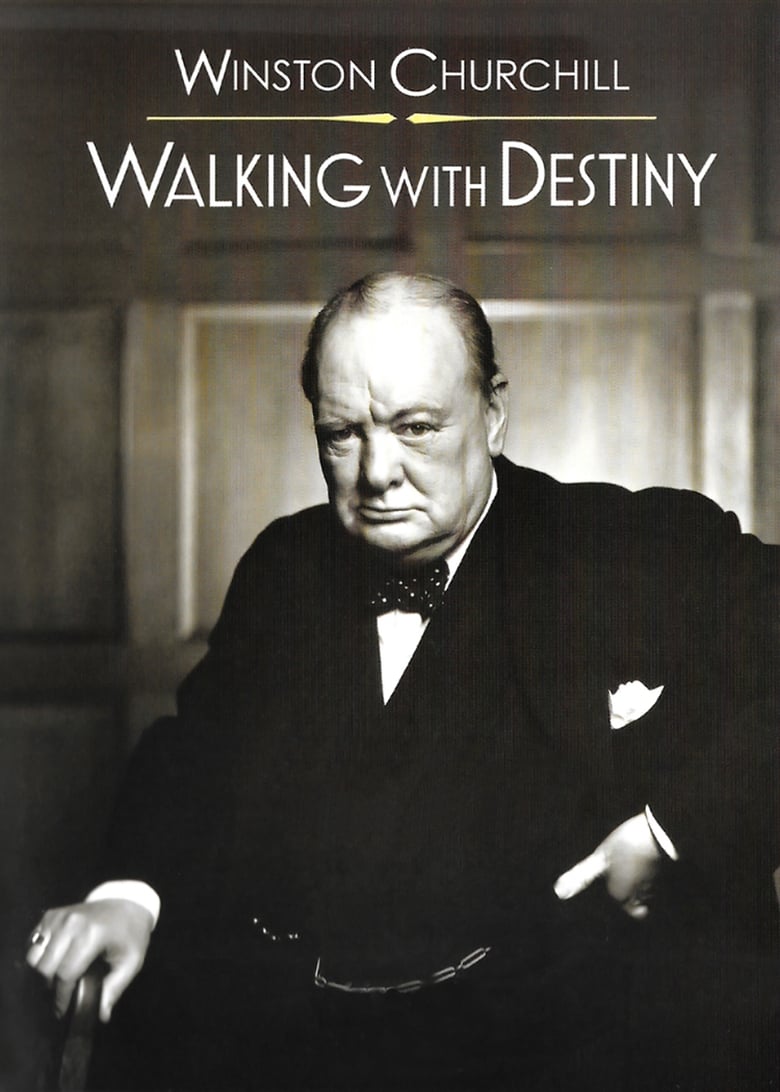
2010
Not RatedDirector
Richard Trank
Runtime
101 minutes
Average Rating
No ratings yetSynopsis
Walking With Destiny highlights Churchill's years in the political wilderness, his early opposition to Adolf Hitler and Nazism, and his support for Jews under threat by the Nazi regime. As historian John Lukacs explains, Churchill may not have won the War in 1940, but without him, the War most certainly would have been lost. Sir Martin Gilbert, historical consultant for the film and Churchill's official biographer, adds that had Churchill's warnings about Nazi Germany's racial policies towards Jews been heeded in the early 1930's, the Holocaust may never have occurred. The film examines why Winston Churchill's legacy continues to be relevant in the 21st Century and explores why his leadership remains inspirational to current day political leaders and diplomats.
Overall Score
Minimal
Category Breakdown
LGBTQ+ Representation
The film operates within a strictly heteronormative framework. There are no depictions of non-cisnormative identities or narratives that critique social structures.
Gender Representation
The narrative reinforces traditional masculine archetypes of political command. Clementine Churchill is depicted as a supportive partner, though her role aligns with mid-20th-century gender hierarchies.
Racial & Ethnic Diversity
The production features a predominantly white, Anglo-Saxon cast. This reflects the demographic composition of the British political elite during the era depicted.
Religious & Cultural Diversity
The film is overtly pro-Western, celebrating parliamentary democracy and national sovereignty. It positions Churchill’s leadership as a cornerstone of modern Western stability.
Disability Representation
There are no prominent depictions of visible or invisible disabilities used as central narrative drivers or character arcs.
Strengths
Areas for Improvement
AI Analysis
This biographical documentary focuses on the preservation of Western institutional stability and the efficacy of established political leadership. The narrative architecture prioritizes historical continuity and the defense of democratic structures against totalitarianism. The film adheres to the socio-historical realities of the early 20th-century British establishment. It reinforces traditional hierarchies and celebrates the merits of individual statesman-led governance rather than disrupting them. Ultimately, the work serves as an example of historical preservationism. It prioritizes the reinforcement of traditional cultural narratives over the integration of intersectional or subversive perspectives.
2005
1960
1998
1940

2015

1935
2020

1938
2013

2008
1994
2011
No reviews yet. Be the first to share your thoughts on this movie!
Use the rating form above to leave a star rating and optional review.