Virgin Lovers
1970
No user ratings available yet
Representation score: 4.5 out of 10
Representation Score
Fair
1978
TV-MADirector
Eloy de la Iglesia
Runtime
100 minutes
Average Rating
No ratings yetNew Showbiz Analysis
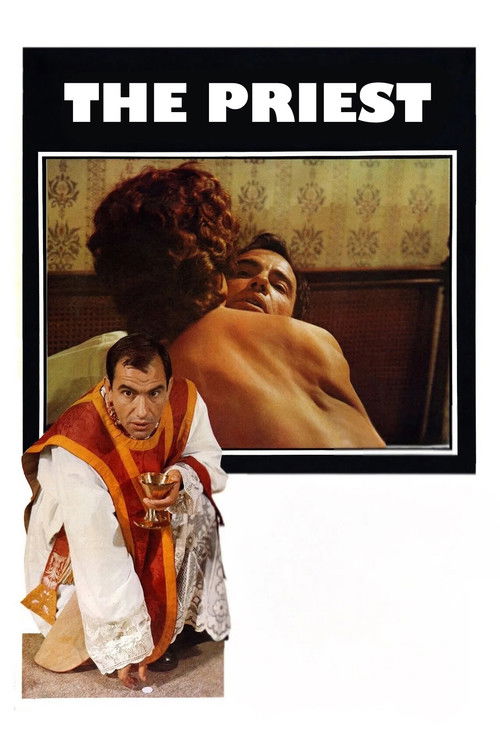
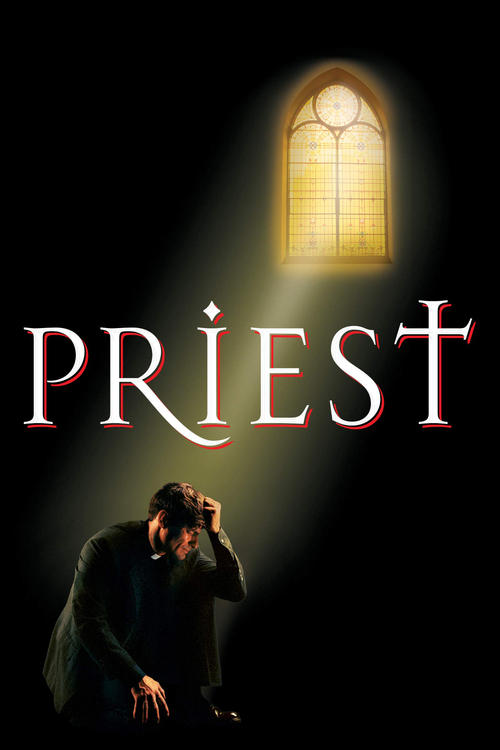
The Priest is a subversive film that connects sexual freedom to political resistance against a repressive system. It uses the framework of a religious drama to criticize systemic authority and institutional loyalty. The film's strength lies in its layered approach, where the protagonist's defiance of vows is seen as an act of taking control. This challenges conventional expectations of morality within a traditional Western context. While the film excels in exploring identity and institutional critique, it remains a localized drama with limited racial or ethnic diversity, reflecting its specific historical and geographic setting.
Category Breakdown
The film focuses on a protagonist's struggle with homoerotic feelings and desires that go against traditional heterosexual norms. These sexual identities are portrayed as a challenge to the strict rules of the church rather than just personal flaws.
The story disrupts traditional male dominance by breaking down the authority of a male-dominated religious institution. It challenges typical masculine roles by showing the collapse of clerical discipline and stability.
The drama is set within a specific Spanish context and does not have much ethnic or racial variety. Instead, it emphasizes class and institutional identity.
The film provides a sophisticated look at Western institutional power by depicting the Catholic Church as a repressive force that hinders human freedom. It prioritizes individual autonomy over religious doctrine.
There are no significant portrayals of physical or neurodivergent disabilities that play central roles in the plot or character development.
Present on Screen
Limited or Absent
Official Synopsis
Obsessed with fantasies of sex, Father Miguel seeks professional help through his church but they are not listening; thus leaving the Father in a dilemma; leaving the church or should he try, on his own, to surrender to these temptations?
1970
1987

1978
1951
1973
1995
1980
2014
No reviews yet. Be the first to share your thoughts on this movie!
Use the rating form above to leave a star rating and optional review.