Ode
1999
No user ratings available yet
Diversity score: 7.0 out of 10
2011
Director
Renato Ciasca, Beto Brant
Runtime
104 minutes
Average Rating
No ratings yetSynopsis
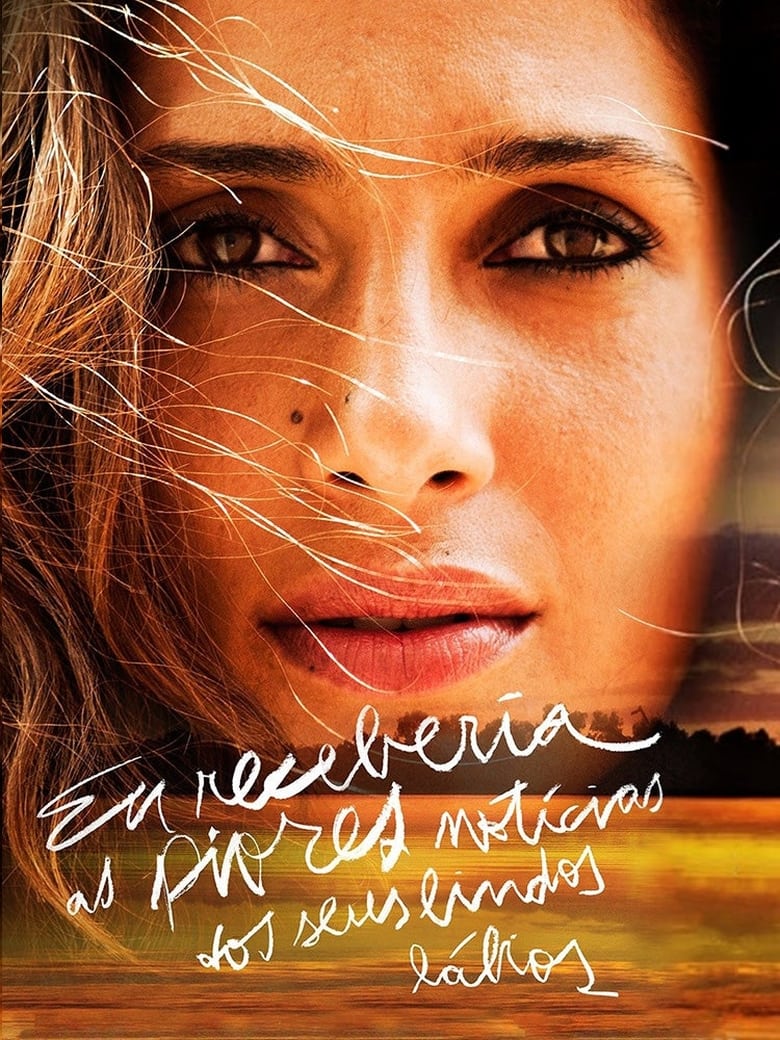
Set in a small town in Pará in the heart of the Amazon, Cauby makes a living as a photographer. Soon he’ll befriend pastor Ernani’s attractive wife Lavínia and embark on an affair – a good portion of the film is dedicated to their passionate relationship. We will also learn of Lavínia’s baggage from her past – how she met her husband, her continuing love for him, and his supportive role. But when rumours of her affair with Cauby circulate, the conservative community do not look at it kindly, leading to tragedy, and their lives will never be the same afterwards…
Overall Score
Good
Category Breakdown
LGBTQ+ Representation
The film focuses on a heteronormative affair between a photographer and a preacher's wife. While it lacks explicit queer identities, it aligns with a cinematic tradition that explores fluid desire and subverts social norms.
Gender Representation
The narrative centers on a woman navigating the tension between religious domesticity and personal autonomy. She avoids submissive archetypes, instead driving the plot through her own agency and complex past.
Racial & Ethnic Diversity
Set in a remote part of the Amazon, the film moves away from urban-centric perspectives. The setting provides a framework for a localized cast reflecting the region's complex ethnic tapestry.
Religious & Cultural Diversity
The story critiques the moral rigidity of organized religion by centering on an affair with a preacher's wife. It prioritizes individual passion and subjective morality over institutional dogma.
Disability Representation
There is no evidence regarding the inclusion or portrayal of characters with visible or invisible disabilities.
Strengths
Areas for Improvement
AI Analysis
The film functions as a character-driven drama that prioritizes individual agency over traditionalist tropes. By centering the conflict on a woman's struggle against religious and patriarchal authority, it offers a nuanced look at personal autonomy. The Amazonian setting provides a vital departure from Western-centric, urban narratives, allowing for a more localized and ethnically diverse atmosphere. This environmental context supports a more complex, intersectional approach to storytelling. While the film lacks overt LGBTQ+ representation or disability inclusion, it succeeds in deconstructing social and religious stability through its exploration of transgression and desire.
1999
1998
1966
2000
2011
1993

2006

2023
2000

1998

2008

2000
No reviews yet. Be the first to share your thoughts on this movie!
Use the rating form above to leave a star rating and optional review.