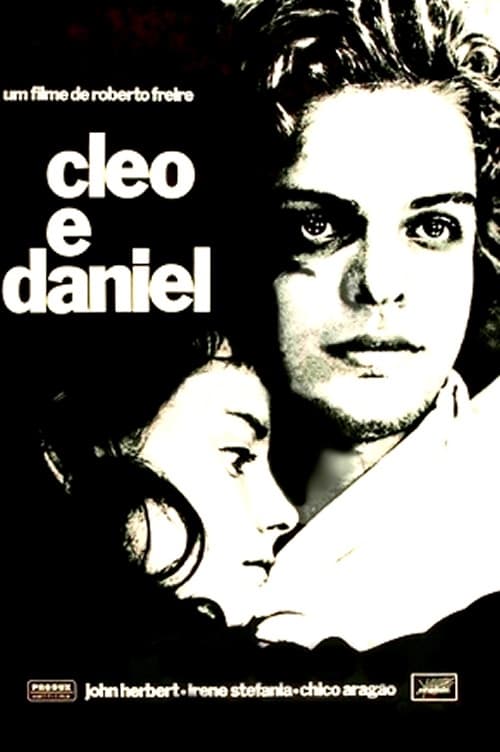
Cleo e Daniel
1970
No user ratings available yet
Representation score: 3.9 out of 10

Representation Score
Fair
1968
Director
Djalma Limongi Batista
Runtime
29 minutes
Average Rating
No ratings yetNew Showbiz Analysis
Djalma Limongi Batista’s work explores the tension between personal desires and societal structures. The film focuses on the volatility of urban life and the fragility of the human condition. It critiques the failures of traditional institutions such as family and economic security, particularly for youth. The focus on underrepresented individuals suggests a moderate challenge to conventional social stability. However, the film lacks specific details about gender hierarchies, racial diversity, or LGBTQ+ identities.
Category Breakdown
The film explores themes of love and sex within an urban setting. However, there is no clear depiction of non-straight relationships or identities.
The story focuses on two desperate young men, highlighting male-driven actions. The roles and influence of female characters are not clearly defined.
Set in a large Brazilian city, the film likely reflects a diverse urban environment. The focus on desperation highlights themes of class and social divisions.
The film uses social realism to critique the pressures of urban life. It suggests a move toward existential morality rather than traditional ethical frameworks.
There is no indication that disability or neurodivergence plays a role in the story or main characters.
Present on Screen
Limited or Absent
Official Synopsis
Love, sex and death get mixed in a love story between two desperate boys in a big city.
1970

2013
1966
1961

1980
1960
1960
1974
No reviews yet. Be the first to share your thoughts on this movie!
Use the rating form above to leave a star rating and optional review.