Red
2003
No user ratings available yet
Representation score: 6.2 out of 10
Representation Score
Fair
1998
Director
Paulo César Saraceni
Runtime
114 minutes
Average Rating
No ratings yetNew Showbiz Analysis
O Viajante offers a localized study of human passion and social transgression. By centering on an outsider who disrupts a small town, the film explores the deconstruction of traditional social hierarchies and regional identity. The narrative succeeds in moving beyond simple clichés to examine complex moral landscapes. It uses regional symbolism and characters on the fringes to challenge monolithic perspectives of national identity. However, the film's focus on traditional romantic frameworks and the reactive roles of its female characters limits its breadth of representation. The lack of visible queer or disability-related narratives also narrows its scope.
Category Breakdown
The film does not explicitly depict non-straight relationships or same-sex intimacy. It centers on a traditional romantic storyline focused on gendered dynamics.
Female characters like Mrs. Ana de Lara and Missy serve as emotional focal points. However, their roles seem largely defined by their emotional responses to the male protagonist.
Set in Minas Gerais, the film highlights specific regional textures and local symbolism. It emphasizes a localized perspective rather than a homogeneous Western viewpoint.
The story explores subjective morality through characters on the fringes, such as Master Juca do Vale. It critiques traditional codes by favoring a nuanced understanding of human nature.
There is no evidence regarding the depiction of physical or neurodivergent disabilities within the narrative.
Present on Screen
Limited or Absent
Official Synopsis
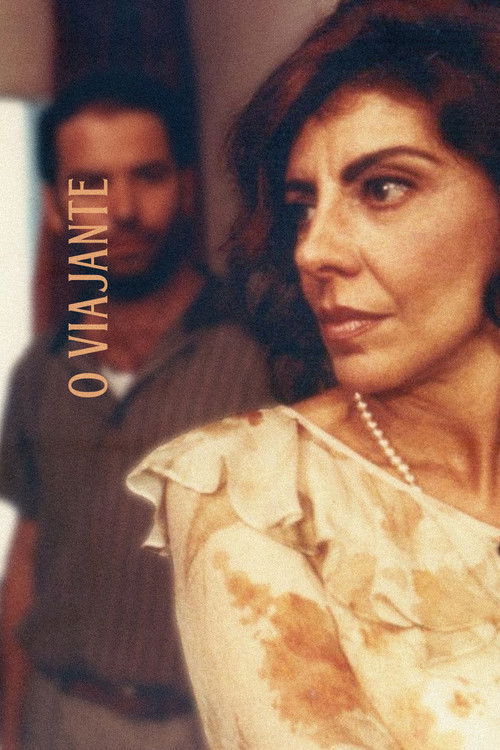
Fortune takes four human beings to the last frontier of passion. There, where love becomes almost inhuman and divine. As if he was a comet, Rafael, the traveler, appears at the party for the cities patron saint, in a small town in the interior of Minas Gerais. He is the one who brings passion and crime, vanishing afterwards, leaving a poetic feeling in the air, which is always deadly to the ones who stay. Mrs. Ana de Lara, the proud rich widow, and Missy, still a child, whose beauty and innocence are like the Tiê-Sangue, a red bird, are the travelers victims. There is also Master Juca do Vale, a criminal, whose passion turns him incredibly human, in this story of love, death, forgiveness and resurrection.
2003

1964
1971
2001
2001

1999

2015
2002
No reviews yet. Be the first to share your thoughts on this movie!
Use the rating form above to leave a star rating and optional review.