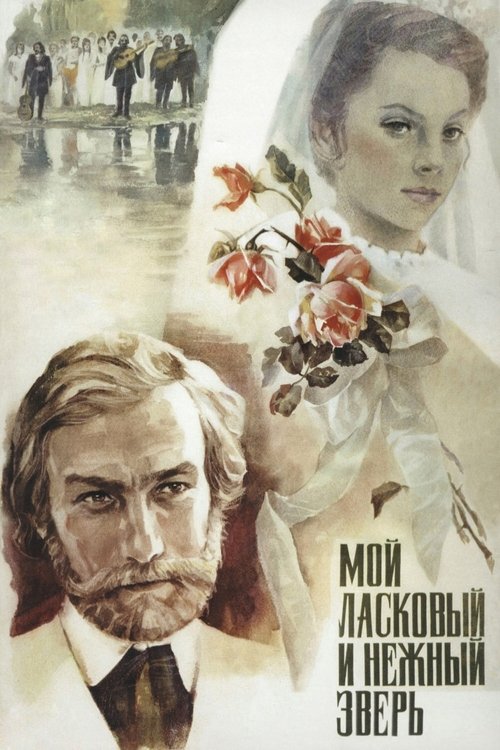
My Tender and Affectionate Beast
1978
No user ratings available yet
Diversity score: 4.6 out of 10
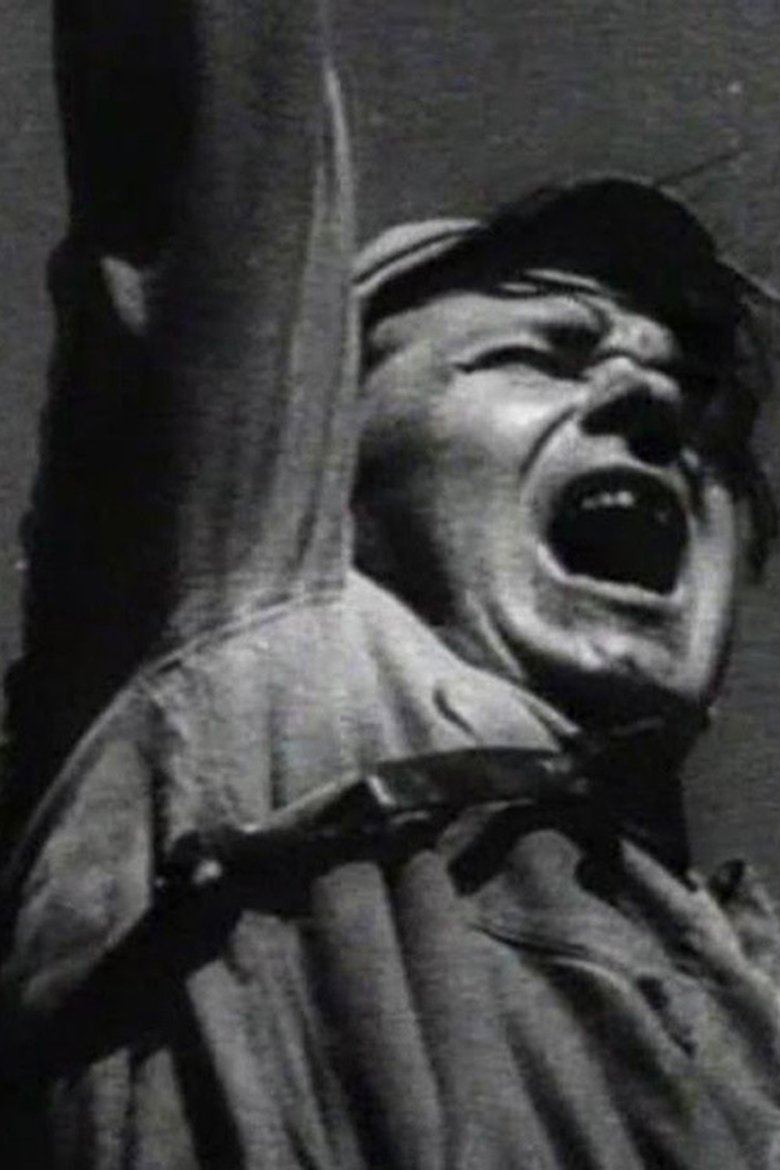
1930
Director
Vsevolod Pudovkin
Runtime
75 minutes
Average Rating
No ratings yetSynopsis
As a response to criticism for the allegedly excessive “mass appeal” of his earlier epic STORM OVER ASIA (1928), Vsevolod Pudovkin unleashed his flair for experimentation in what was supposed to be the director’s first sound feature. Everything went wrong: technical problems forced him to complete the film as a silent; viewers were baffled by the lack of a recognizable plot; then, the ideological climate of the Soviet Union changed. He was now being blamed for catering to bourgeois taste! Time has come to set the record straight. Here’s lyrical cinema at its best, deliberately operatic and yet intimate as it matches the characters’ inner life with the solemn rhythms of nature, and depicted through breathtaking black-and-white photography. A sensation at last year’s Pordenone fest, Pudovkin’s long-forgotten swan song to the art of montage is resurrected by Gabriel Thibaudeau’s emotionally charged live music performance. –PCU (USSR, 1930, 75m)
Overall Score
Fair
Category Breakdown
LGBTQ+ Representation
The film lacks explicit evidence of LGBTQ+ characters or non-heteronormative narratives. As a 1930s romance/drama, it appears to adhere to the social archetypes of its era.
Gender Representation
The film moves away from hyper-masculine epics toward more intimate, lyrical storytelling. This shift suggests a focus on female subjectivity and the emotional complexity of individual characters.
Racial & Ethnic Diversity
There is no evidence of high-agency non-white characters or intentional race-bending. The production focuses on character-driven drama rather than the multi-ethnic sweeping epics common in other Soviet works.
Religious & Cultural Diversity
The work engages deeply with anti-capitalist and anti-traditionalist sentiments. It rejects Western industrial values by aligning the characters' inner lives with the solemn rhythms of nature.
Disability Representation
No characters with visible or invisible disabilities are mentioned in the available documentation. No representation in this category can be confirmed.
Strengths
Areas for Improvement
AI Analysis
A Simple Case serves as a fascinating study of Soviet montage theory applied to intimate human drama. While it lacks explicit representation for LGBTQ+ and racial diversity, it excels in cultural subversion. The film's strength lies in its rejection of bourgeois individualism and Western capitalist values. However, the work is limited by the historical context of 1930, which restricts the visibility of diverse identities. The focus remains on a specific ideological struggle rather than broad demographic inclusivity. Ultimately, the film is a lyrical, operatic exploration of the inner life that challenges established social hierarchies through its unique cinematic language.
1978
1925
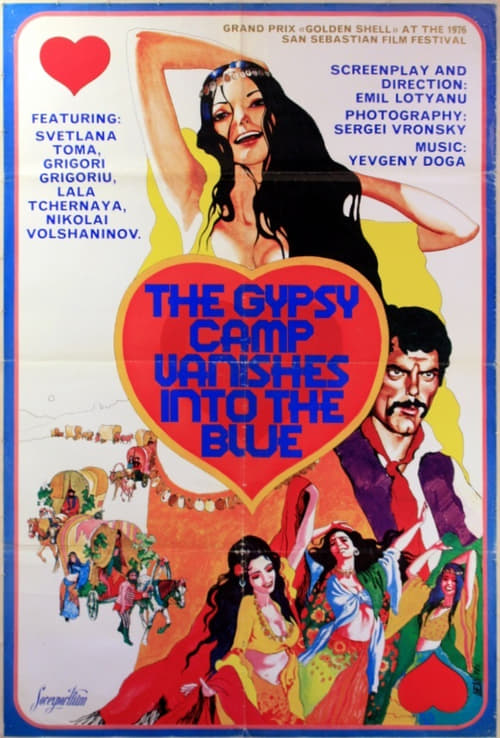
1976
1947
1938
1971
1931

1929
1928
1937
1966
1930
No reviews yet. Be the first to share your thoughts on this movie!
Use the rating form above to leave a star rating and optional review.