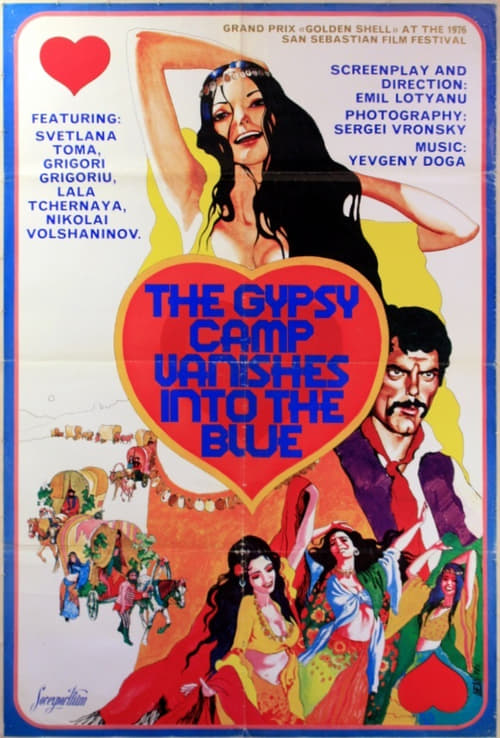
The Gypsy Camp Vanishes Into the Blue
1976
No user ratings available yet
Diversity score: 7.2 out of 10
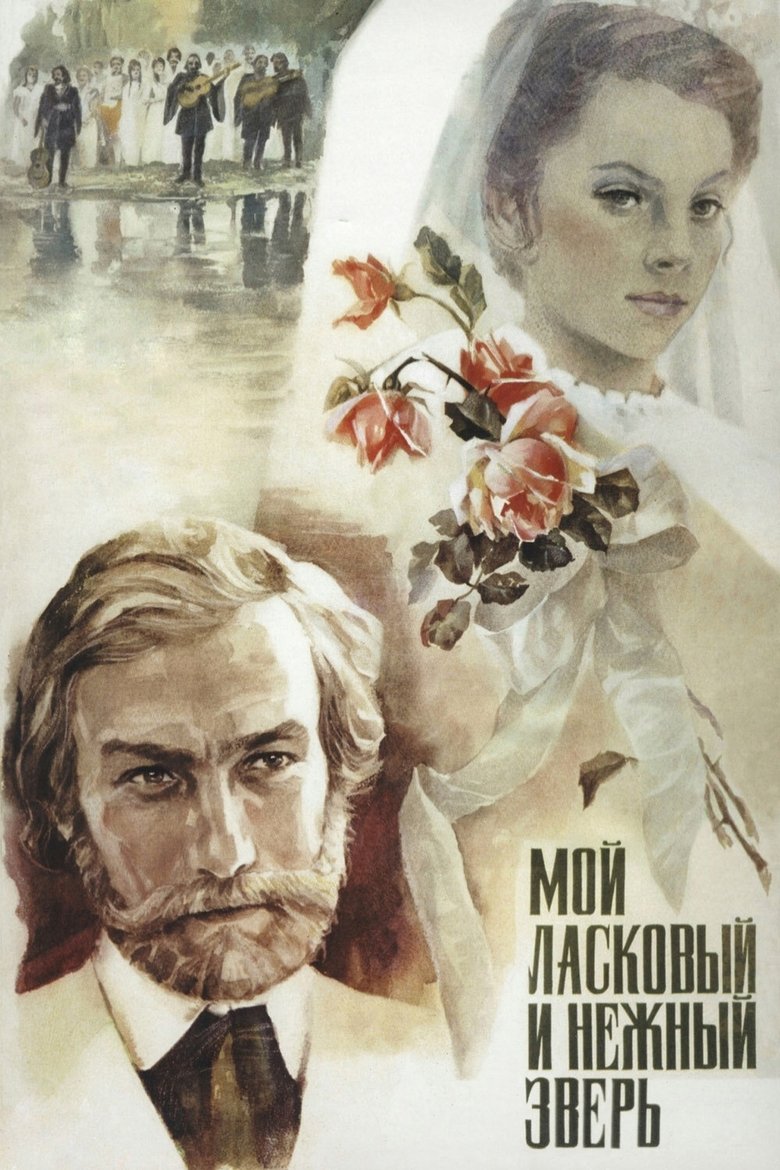
1978
Director
Emil Loteanu
Runtime
105 minutes
Average Rating
No ratings yetSynopsis
An aristocrat falls for a young woman who brings him ruin. Based on Chekhov's story. AKA A Hunting Accident, The Shooting Party.
Overall Score
Fair
Category Breakdown
LGBTQ+ Representation
The film centers on a tragic, heteronormative romantic entanglement. There is no evidence of queer identities or non-cisnormative gender expressions within the primary character arcs.
Gender Representation
The female lead disrupts traditional hierarchies by acting as a disruptive force rather than a passive object. Her agency directly precipitates the downfall of the aristocratic male protagonist.
Racial & Ethnic Diversity
Set within the 19th-century Russian aristocracy, the film reflects the homogeneous social structures of its period. The casting offers little to no intersectional racial diversity.
Religious & Cultural Diversity
The narrative engages with themes of systemic decay and the fragility of class-based institutions. It prioritizes emotional truth and situational ethics over rigid, singular moralities.
Disability Representation
There is no evidence that disability, neurodivergence, or chronic illness are central to the character arcs or utilized as narrative devices.
Strengths
Areas for Improvement
AI Analysis
Emil Loteanu’s adaptation of Chekhov offers a psychologically deep exploration of class and romantic fatalism. While the film excels at subverting gendered power dynamics by giving the female lead a destructive agency, it remains a product of its historical and cultural setting. The production lacks demographic breadth, focusing almost exclusively on a homogeneous Russian aristocratic class. This results in a narrow scope regarding racial and LGBTQ+ representation, adhering to the traditional romantic paradigms of the era. Ultimately, the film's strength lies in its critique of aristocratic stability and its nuanced view of human agency. It trades simple moralism for a complex, fatalistic study of social and personal volatility.
1976

1978
1972

1979
1980

1969
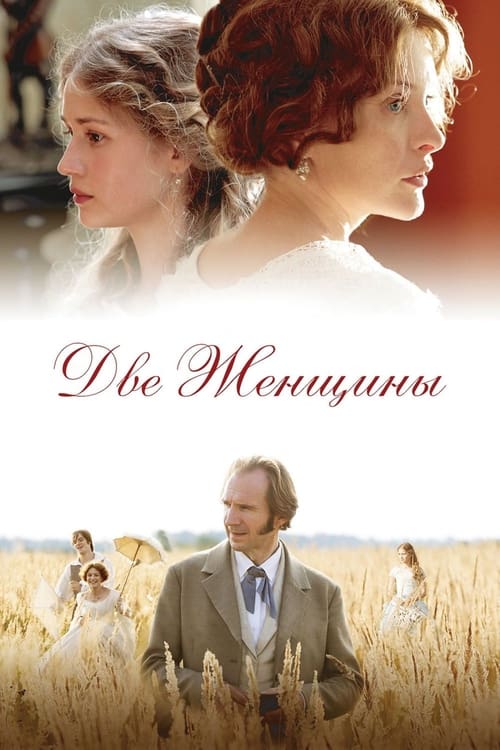
2014
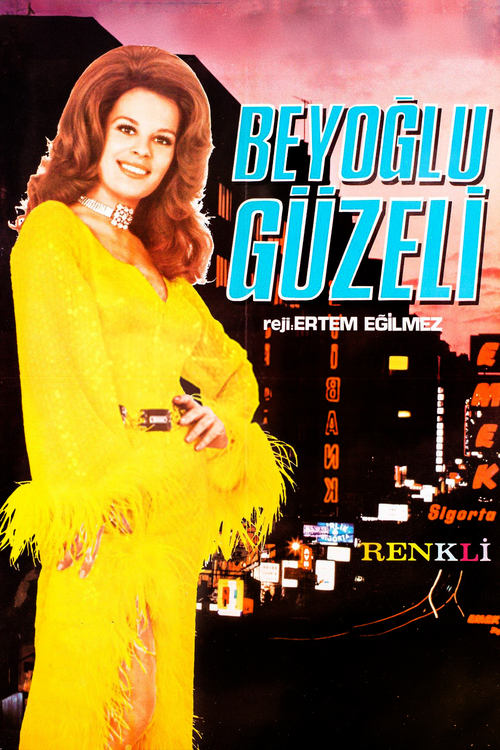
1971
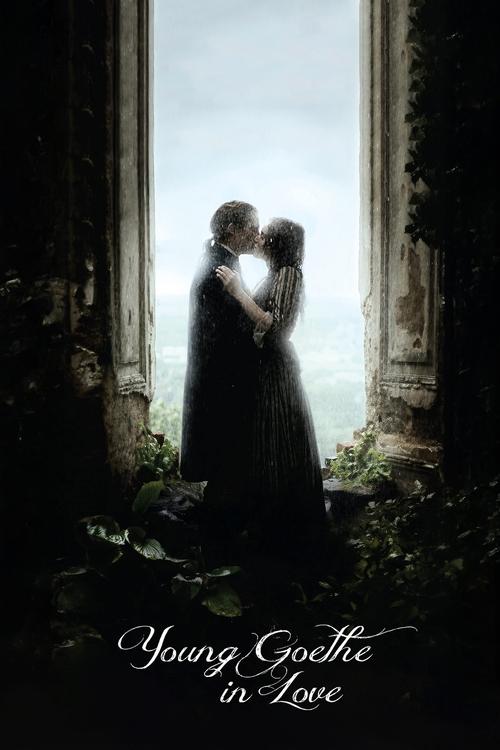
2010
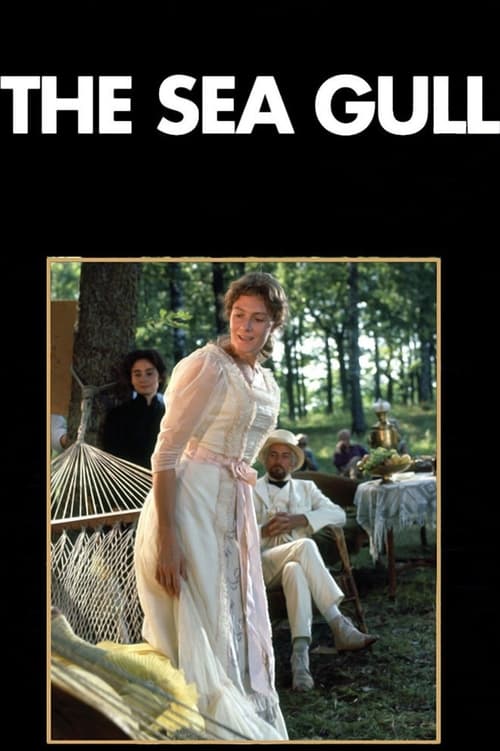
1968

2017

1976
No reviews yet. Be the first to share your thoughts on this movie!
Use the rating form above to leave a star rating and optional review.