Ovosodo
1997
No user ratings available yet
Representation score: 5.1 out of 10
Representation Score
Good
2010
Not RatedDirector
Paolo Virzì
Runtime
122 minutes
Average Rating
No ratings yetNew Showbiz Analysis
Paolo Virzì’s drama successfully challenges traditional gender roles by emphasizing the ability to act of women. By depicting the family as a site of dysfunction, it replaces idealized moralistic images with a nuanced portrayal of human connections. However, the film’s focus remains limited to a specific Italian context. It does not fully explore racial or LGBTQ+ diversity, maintaining a relatively homogeneous cast that reflects a narrow demographic range. Overall, the film offers a sophisticated look at identity and domestic instability, even though it stays within traditional demographic boundaries.
Category Breakdown
The story revolves around a family evolving over thirty years, focusing on heterosexual relationships. It touches on adolescent identity exploration but lacks central LGBTQ+ characters or direct critiques of the assumption that everyone is straight.
Anna challenges traditional gender roles as a strong, independent woman rather than a passive figure. The narrative emphasizes the role of female characters in driving the story, highlighting their autonomy and disrupting conventional gender dynamics.
The cast is predominantly Italian, capturing socioeconomic diversity within the coastal region. However, the film does not intentionally expand its representation to include diverse racial backgrounds or multi-layered identities.
The film emphasizes secular humanism and emotional authenticity over religious traditions. It portrays the Western family as chaotic and dysfunctional, breaking down the idealized image of a perfect family.
Mental health and emotional volatility are presented as normal human experiences rather than specific disabilities. The film avoids inspirational stories centered on disability, but it does not explore neurodivergence or physical disabilities in depth.
Present on Screen
Limited or Absent
Official Synopsis
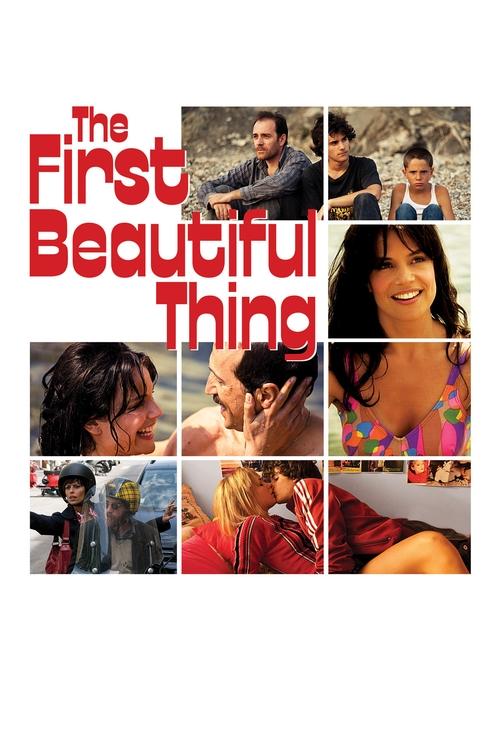
The film tells the story of the Michelucci family, from the nineteen-seventies to the present day: the central character is the stunningly beautiful Anna, the lively, frivolous and sometimes embarrassing mother of Bruno and Valeria. Everything begins in the Summer of 1971, at the annual Summer beauty pageant held at Livorno’s most popular bathing establishment. Anna is unexpectedly crowned “Most Beautiful Mother”, unwittingly stirring the violent jealousy of her husband. From then on, chaos strikes the family and for Anna, Bruno and his sister Valeria, it is the start of an adventure that will only end thirty years later.
1997

2003
2013
2017
2004
1990
2006
2017
No reviews yet. Be the first to share your thoughts on this movie!
Use the rating form above to leave a star rating and optional review.