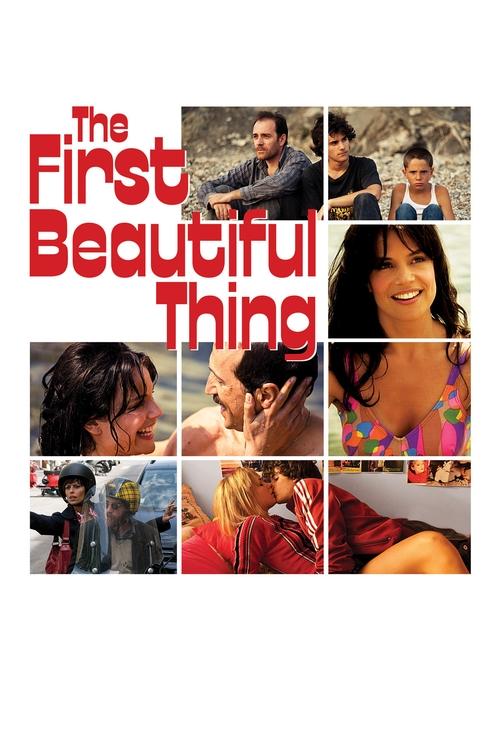
The First Beautiful Thing
2010
No user ratings available yet
Representation score: 6.9 out of 10
Representation Score
Good
2013
Director
Valeria Bruni Tedeschi
Runtime
104 minutes
Average Rating
No ratings yetNew Showbiz Analysis
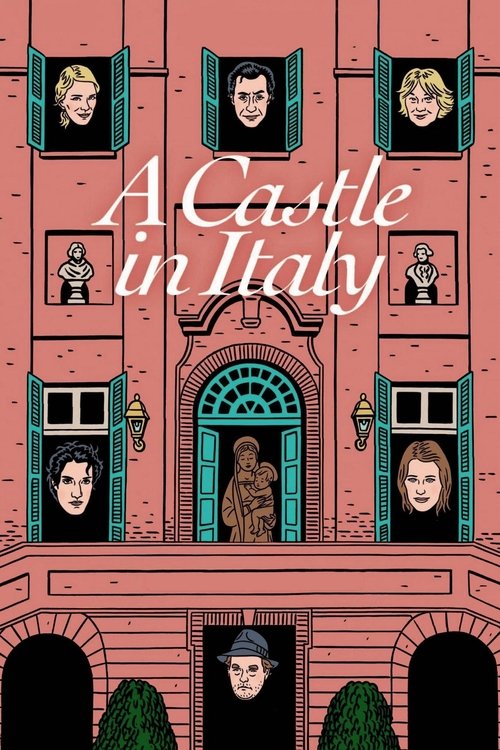
A Castle in Italy is a character-driven study that finds its strength in subverting traditional gender roles and embracing moral relativism. It prioritizes the fragmented experience of the individual over the preservation of traditional Western institutions. However, the film lacks significant racial and LGBTQ+ diversity, operating within a traditional Western aesthetic and a homogeneous European cast. This limits its demographic breadth despite its emotional complexity. Ultimately, the work functions as a postmodern exploration of human instability rather than a diverse demographic tapestry.
Category Breakdown
The film does not prominently feature LGBTQ+ characters or explore non-cisgender identities. It touches on fluid human connections but does not explicitly challenge the assumption that everyone is straight or cisgender.
The movie focuses on the complex and messy lives of women, disrupting traditional gender hierarchies. It prioritizes female subjectivity and emotional volatility over stable, patriarchal domesticity.
The film features a predominantly European cast, reflecting a specific cultural context. There is no significant racial diversity among the main characters.
The story navigates life through subjective truths and moral relativism, rather than fixed religious frameworks. It also critiques the fragility of traditional capitalist structures through the decline of an industrialist family.
Themes of emotional instability and ailing family members drive existential plots. However, it does not specifically explore the ability to act of disabled individuals, focusing instead on illness as a narrative device.
Present on Screen
Limited or Absent
Official Synopsis
Louise meets Nathan, her dreams resurface. It's also the story of her ailing brother, their mother, and the destiny of a leading family of wealthy Italian industrialists. The story of a family falling apart, a world coming to an end and love beginning.
2010

2003
2018
2017

2013
2022
2010

2000
No reviews yet. Be the first to share your thoughts on this movie!
Use the rating form above to leave a star rating and optional review.