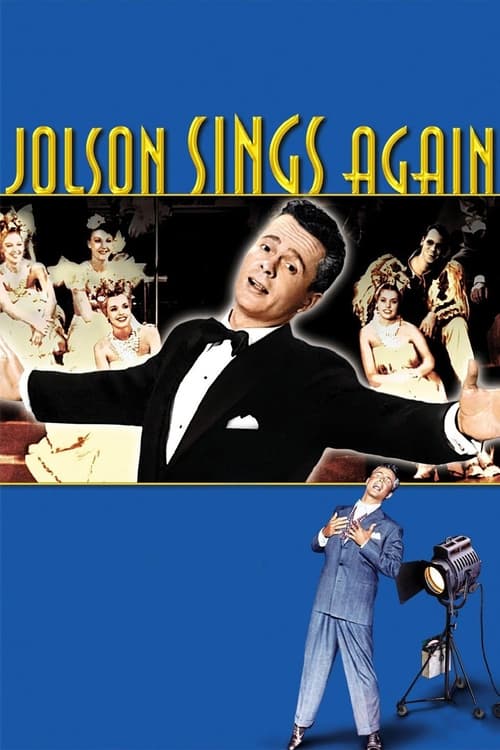
Jolson Sings Again
1949
No user ratings available yet
Diversity score: 2.1 out of 10

1940
Director
Georg Jacoby
Runtime
109 minutes
Average Rating
No ratings yetSynopsis
When Bartos, the director of the Odeon variety theater, cancels an artist at short notice, he hires the Terrys out of necessity, whose parents were successful variety artists, but who had not yet received an engagement themselves. Both are supported by Tobs, a friend of their parents. While blonde Mara Terry arrives punctually for the first rehearsal, her dark-haired sister Kora is late like a diva and acts aloof and snippy. At their first performance together the next day, Kora is overtired from partying the night before. During a dangerous act in which she has to balance her upside-down sister on her head, she becomes careless...
Overall Score
Limited
Category Breakdown
LGBTQ+ Representation
The film lacks any evidence of non-heteronormative identities or same-sex intimacy. The story focuses strictly on conventional social structures and familial dynamics.
Gender Representation
While the Terry sisters are central professional figures, they are framed through tropes of temperament and discipline. The professional hierarchy remains dominated by a male director.
Racial & Ethnic Diversity
The cast appears entirely homogeneous within a European theatrical setting. There is no indication of non-white casting or diverse ethnic identities.
Religious & Cultural Diversity
The narrative celebrates the lineage of variety theater and professional duty. It operates within established cultural frameworks without offering any systemic critique.
Disability Representation
There is no information available regarding the portrayal of physical or neurodivergent disabilities in this production.
Strengths
Areas for Improvement
AI Analysis
Kora Terry is a product of its era, functioning as a traditional drama centered on professional performance and familial legacy. The film adheres to the demographic and social constraints of 1940s cinema, prioritizing escapism over intersectional complexity. The narrative relies on established character archetypes, particularly regarding female temperament. While women drive the spectacle, they remain subject to traditional hierarchies and social norms. Ultimately, the film lacks representation of diverse identities, focusing instead on a homogeneous cast and conventional social structures.
1949
1946
1947
1948

1928
1950
1936

1936
1939
1944

1959
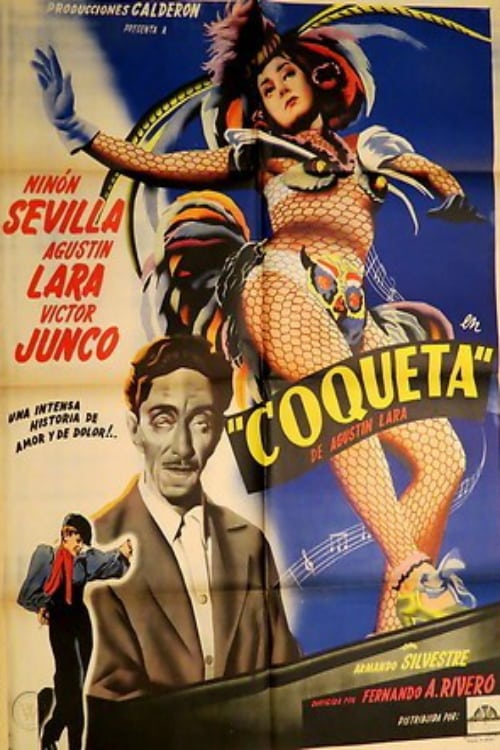
1949
No reviews yet. Be the first to share your thoughts on this movie!
Use the rating form above to leave a star rating and optional review.