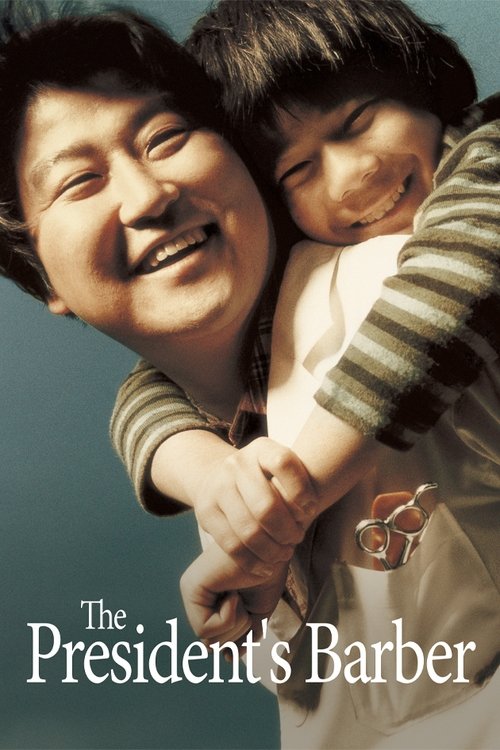
The President's Barber
2004
No user ratings available yet
Representation score: 5.7 out of 10

Representation Score
Fair
2020
Director
Lee Hwan-kyung
Runtime
124 minutes
Average Rating
No ratings yetNew Showbiz Analysis
Best Friend is a historical drama that prioritizes systemic critique over diverse representation. It succeeds by focusing on a non-Western political struggle, offering a vital exploration of South Korean national identity and resistance against authoritarianism. While the film lacks diversity in terms of gender and sexual orientation, it effectively deconstructs the legitimacy of the ruling establishment. The narrative shifts the focus from traditional institutional sanctity to the struggle of the individual against a deceptive state. Ultimately, the film's strength lies in its cultural interrogation of power rather than its breadth of character identities.
Category Breakdown
The film does not include explicit LGBTQ+ character arcs or diverse sexual orientations. It focuses on the political struggles of the 1980s when such identities were often sidelined.
The story centers around male-dominated political leadership and state surveillance. However, it challenges traditional hierarchies by depicting the state as deceptive and intrusive.
The cast is ethnically homogeneous, reflecting South Korean history. It centers a non-Western political struggle, exploring national identity and ethnic ability to act.
The film strongly critiques systemic power, portraying government institutions as corrupt and oppressive. It highlights individual resistance against state authority.
There is no documented evidence regarding the inclusion of characters with visible or invisible disabilities in this production.
Present on Screen
Limited or Absent
Official Synopsis
A leader of the opposition party in 1980s South Korea struggles to outwit the government who, unbeknownst to him, has placed a surveillance team in the house next door. Based on the life of Kim Dae-jung, the 8th President of South Korea.
2004
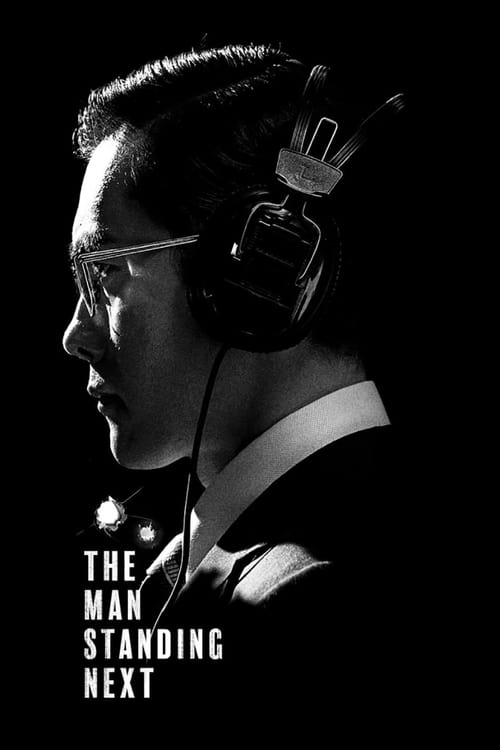
2020

2017

2013
1983

1988

2019
1992
No reviews yet. Be the first to share your thoughts on this movie!
Use the rating form above to leave a star rating and optional review.