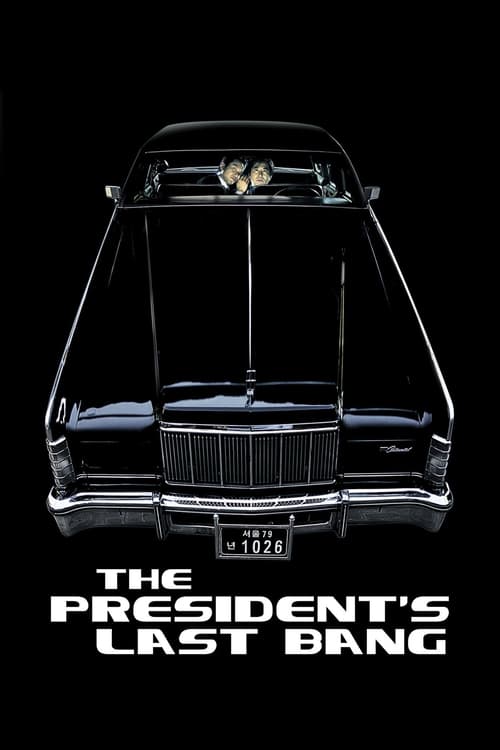
The President's Last Bang
2005
No user ratings available yet
Representation score: 2.5 out of 10
Representation Score
Fair
2004
RDirector
Lim Chan-sang
Runtime
116 minutes
Average Rating
No ratings yetNew Showbiz Analysis
The film serves as a sophisticated political deconstruction, using a micro-historical lens to challenge national myths. It shifts the focus from 'Great Man' history to the lived experiences of ordinary citizens. While the film lacks contemporary markers of identity-based representation, such as LGBTQ+ or disability narratives, it finds strength in its cultural critique. It effectively portrays how systemic political decisions erode individual ability to act. The narrative structure uses satire to examine the intersection of state power and the domestic sphere, offering a nuanced view of South Korean history.
Category Breakdown
The film does not include any explicit LGBTQ+ characters or narratives. It centers on a traditional family unit, omitting queer identities within this political drama set in a specific historical period.
The story emphasizes the vulnerability and resilience of women within the family unit. It examines how patriarchal political structures affect the female experience during times of upheaval.
As a South Korean production, the cast is culturally uniform. However, it offers a crucial non-Western perspective by focusing on a political history often overlooked in global cinema.
The film excels at critiquing traditional institutions and state authority. It employs satire to question the morality of national leadership and the sanctity of nationalism.
There is no discernible portrayal of physical or neurodivergent disabilities in the narrative.
Present on Screen
Limited or Absent
Official Synopsis
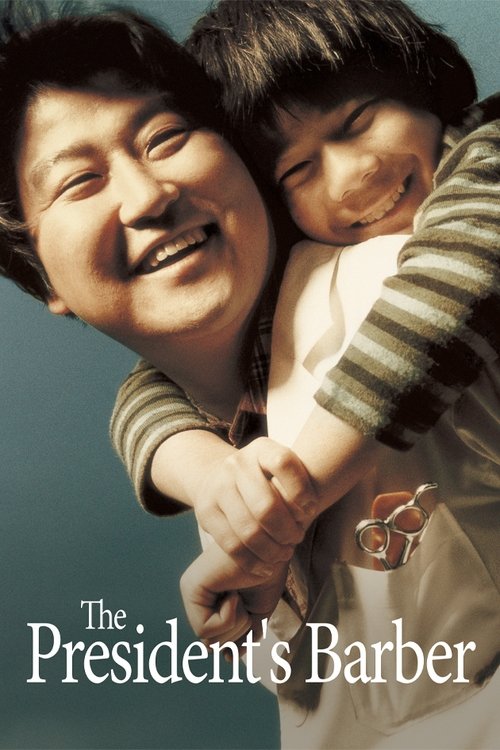
A well-meaning but politically naive barber gets pulled into the inner circle of the South Korean dictator Park Chung-Hee, with rather baleful consequences for his hapless family. This sharp political satire covers roughly twenty years in South Korean political history, from the viewpoint of the barber's son.
2005
1989

2020
2013
2009
2017
2012
2004
No reviews yet. Be the first to share your thoughts on this movie!
Use the rating form above to leave a star rating and optional review.