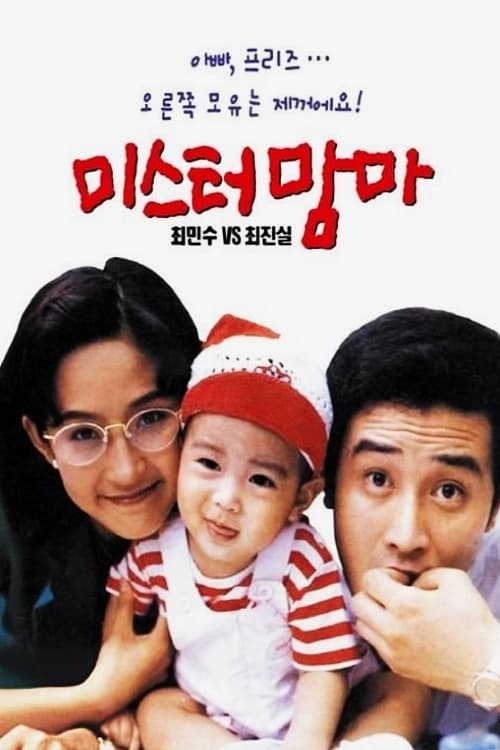
Mister Mama
1992
No user ratings available yet
Representation score: 4.2 out of 10
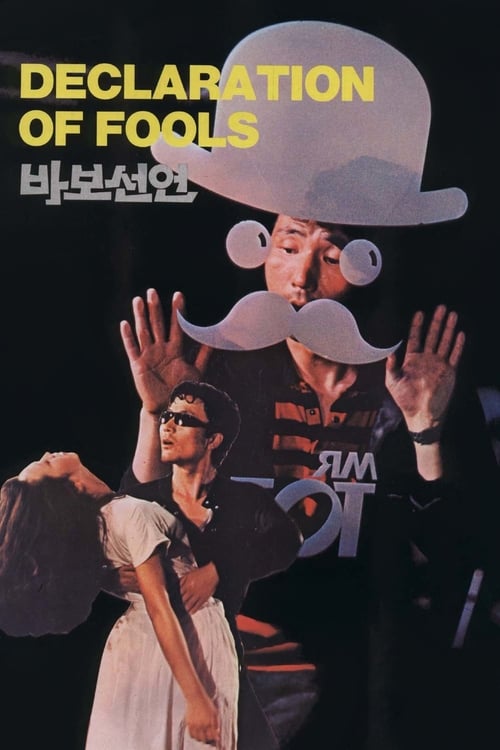
Representation Score
Fair
1983
Director
Lee Jang-ho
Runtime
97 minutes
Average Rating
No ratings yetNew Showbiz Analysis
Lee Jang-ho’s work stands as a crucial part of the Korean New Wave, using satire to break down established social hierarchies. By focusing on characters at the fringes of society, the film provides a necessary critique of institutional oppression and state-sanctioned morality. The film excels in its cultural and systemic critique, offering a localized perspective that challenges Western-centric cinematic norms. It prioritizes the lived experiences of the underrepresented over idealized, stable family units. However, the narrative lacks specific visibility for LGBTQ+ identities and provides no information regarding disability representation. While it challenges social structures, it does so through a narrow lens of socioeconomic exclusion.
Category Breakdown
The film doesn't include specific stories or characters that explore LGBTQ+ identities. While the setting highlights underrepresented lives, there are no explicit LGBTQ+ narratives.
The story focuses on characters living at the edges of society. This approach challenges traditional patriarchal stability by highlighting those who have been let down by the state.
The film centers on a non-Western perspective, emphasizing local socioeconomic realities. It dismantles post-colonial structures to offer a localized ability to act that challenges globalized norms.
The film achieves high thematic density through satire that critiques 1980s Korean society. It disrupts conventional expectations of patriotism and capitalist success.
There is no information available regarding the depiction of physical or neurodivergent disabilities in this work.
Present on Screen
Limited or Absent
Official Synopsis
Beginning with the suicide of a film director, this work represents the Korean New Wave Cinema movement that focused on criticizing the Korean society in the 1980s through satire and humor. The journey taken by the characters, who lead low lives at the margins of the society, award them with a sense of liberation, however brief.
1992

1968
1968

2000

1988

1993

2009

2020
No reviews yet. Be the first to share your thoughts on this movie!
Use the rating form above to leave a star rating and optional review.