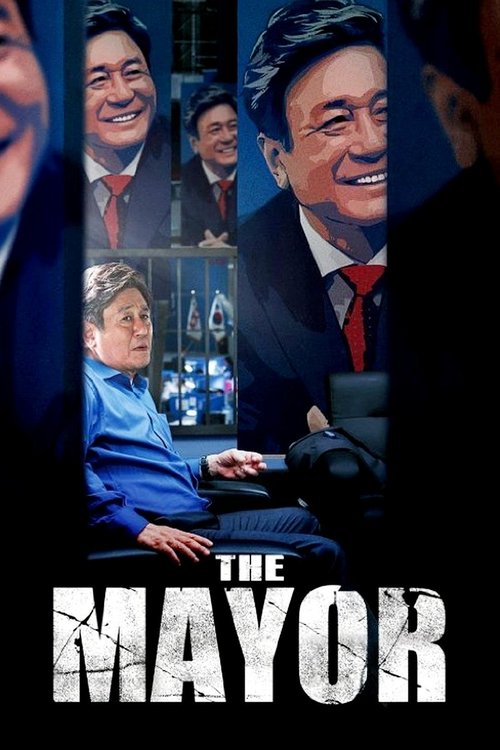
The Mayor
2017
No user ratings available yet
Representation score: 5.7 out of 10
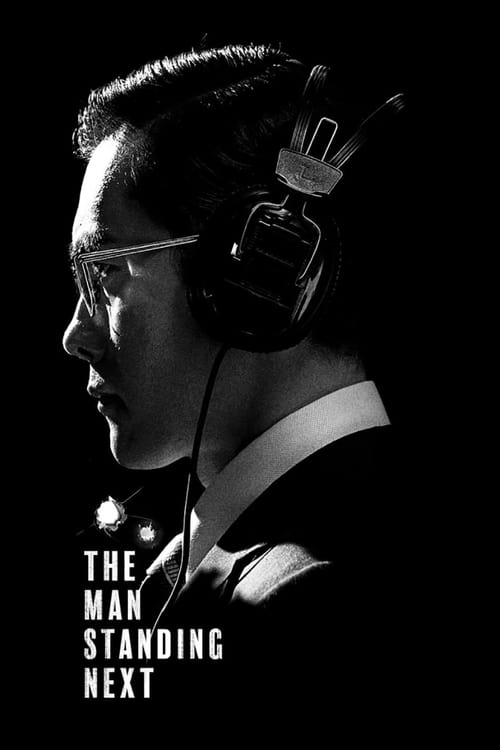
Representation Score
Limited
2020
Not RatedDirector
Woo Min-ho
Runtime
114 minutes
Average Rating
No ratings yetNew Showbiz Analysis
The film prioritizes a clinical examination of systemic power over traditional demographic diversity. It succeeds as a sophisticated historical reconstruction that avoids simple hero-versus-villain clichés, opting instead for a postmodern look at how authoritarianism erodes morality. However, the work is deeply limited by its narrow focus. The setting and subject matter result in a lack of representation for LGBTQ+ individuals and people with disabilities. Gender dynamics are heavily skewed toward a masculine-driven intelligence apparatus. Ultimately, the film's value lies in its cultural critique of institutional loyalty and state corruption. It trades demographic breadth for a profound, psychologically complex exploration of situational ethics and systemic dysfunction.
Category Breakdown
The film operates within a framework that assumes everyone is straight or cisgender. There is no room for queer identities or themes in the story set in the male-dominated corridors of the 1979 KCIA.
The narrative reinforces a strict patriarchal hierarchy. While the film critiques toxic masculinity, female characters remain peripheral and have little influence in the central political conflict.
The cast is ethnically uniform, reflecting the specific socio-political landscape of South Korea. The film focuses solely on the internal ethnic and political dynamics of the state.
The film excels at deconstructing authoritarian structures. It portrays state institutions as corrupt and uses moral relativism to examine the assassination of the President.
There is no representation of physical, sensory, or neurodivergent disabilities. Characters are defined by their political roles rather than any visible or invisible disabilities.
Present on Screen
Limited or Absent
Official Synopsis
When the investigation of 'Koreagate' takes place, Park Yong-gak, a former KCIA director who knows everything about the government's operations, heads to the United States in exile.
2017
1990
2006
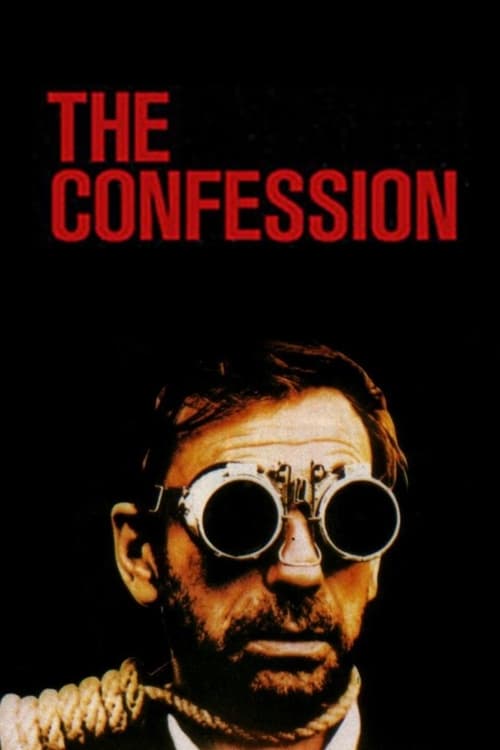
1970
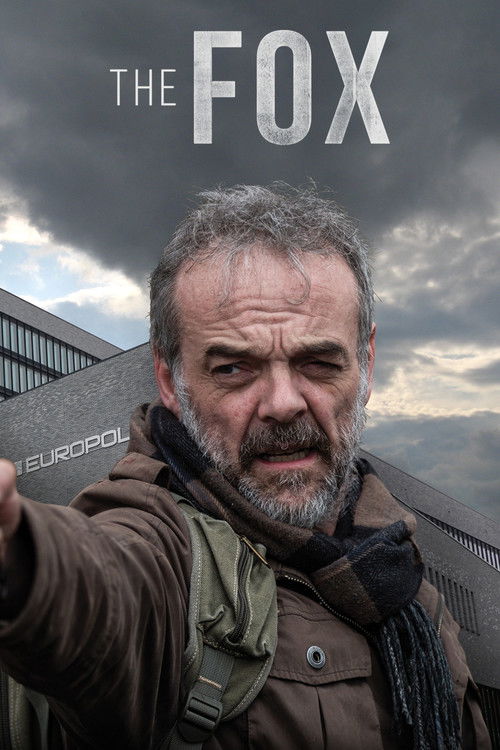
2017
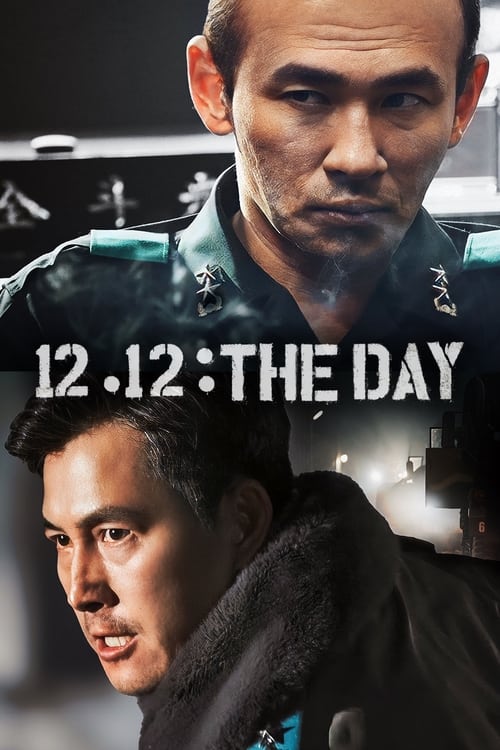
2023
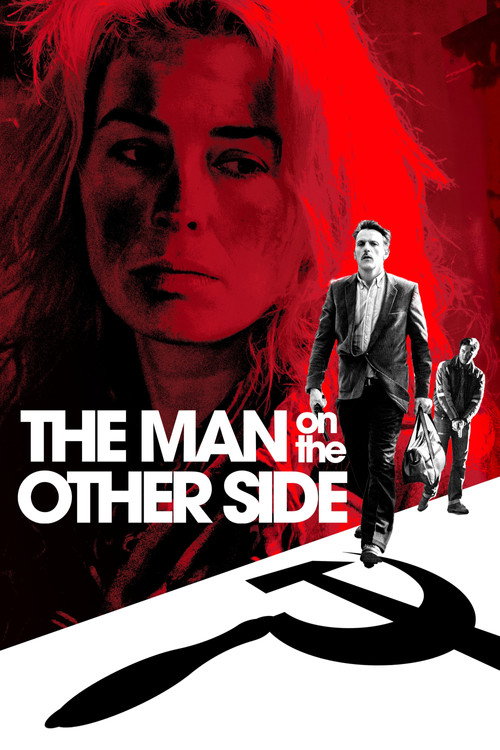
2019
1983
No reviews yet. Be the first to share your thoughts on this movie!
Use the rating form above to leave a star rating and optional review.