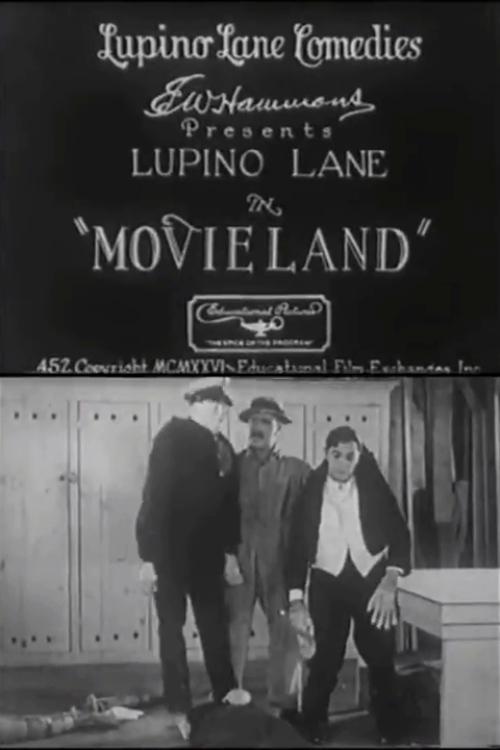
Movieland
1926
No user ratings available yet
Representation score: 0.9 out of 10
No Poster Available
Representation Score
Minimal
1938
ApprovedDirector
William Watson
Runtime
18 minutes
Average Rating
No ratings yetNew Showbiz Analysis
This 1938 comedy relies heavily on period-specific clichés that prioritize slapstick humor over social diversity. The central conflict centers on a male director coercing female models into romantic relationships, reinforcing a hierarchy where men hold authority over women. The film lacks representation of LGBTQ+ identities, diverse racial backgrounds, or characters with disabilities. It operates within a narrow, homogeneous framework typical of its time. While the protagonists use trickery to disrupt professional authority, the film does not engage with broader cultural or systemic critiques, focusing instead on localized interpersonal pranks.
Category Breakdown
The film does not include any LGBTQ+ characters or stories. The plot revolves around traditional romantic coercion rather than exploring queer identities.
A male director pressures female models to comply with romantic demands, which affects their job security. Despite the protagonists' efforts to intervene, the story emphasizes male authority and control over women.
The film features a cast that appears homogeneous, following the casting practices common in 1930s comedies. There is no indication of a diverse cast.
The story employs a standard trickster character to resolve local conflicts but does not address broader cultural or religious issues.
The film does not depict any physical or cognitive disabilities. A wax dummy is used for comedic effect rather than to tell a disability story.
Present on Screen
Limited or Absent
Official Synopsis
Buster West and Tom Patricola deliver a wax model to Madame LaTour's fashion show, and decide to help the models who are having trouble with the director, who is going to fire them because they won't date him. So they introduce the dummy to the director as "The Princess" and use ventriloquism and motions to make him believe she is real.
1926
1926
1934
1933
1933
1936
1937

1937
No reviews yet. Be the first to share your thoughts on this movie!
Use the rating form above to leave a star rating and optional review.