The Man Who Wagged His Tail
1957
No user ratings available yet
Representation score: 5.9 out of 10
Representation Score
Limited
1940
Director
Otakar Vávra
Runtime
87 minutes
Average Rating
No ratings yetNew Showbiz Analysis
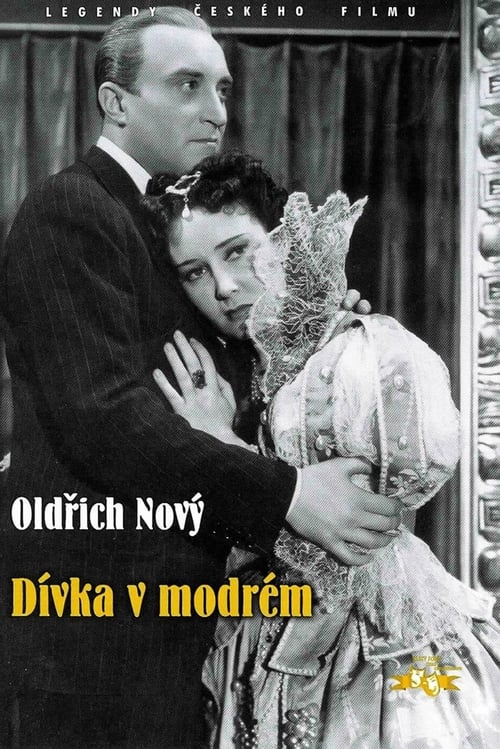
The Girl in Blue is a period-typical fantasy comedy that emphasizes genre-standard escapism. While it offers insight into mid-century cinematic aesthetics, it lacks the intention to disrupt social hierarchies. The film relies on traditional clichés, especially concerning gender, where the female lead is portrayed as a magical object of fascination. This approach prioritizes light-hearted entertainment over meaningful representation. Overall, the production reflects the demographic and social homogeneity of 1940s European cinema, offering little subversion of the era's established cultural norms.
Category Breakdown
The film does not include any documented LGBTQ+ characters or narratives. It follows traditional romantic storylines typical of 1940s costume comedies.
The main character is a woman who comes to life from a painting. This cliché can position female characters as passive objects of aesthetic admiration rather than active participants.
As a 1940s European production, the film reflects the homogeneous demographics of its time. There is no indication of a diverse or non-Anglo-Saxon majority cast.
The film focuses on providing an escapist experience through costume comedy. It adheres to the moral standards of its time without challenging established social or secular institutions.
There is no information indicating the inclusion or portrayal of characters with physical or neurodivergent disabilities.
Present on Screen
Limited or Absent
Official Synopsis
A painting of a girl from another time comes to life for it's buyer in this costume comedy.
1957
1951

1965

1963
1908
1906
1904
1978
No reviews yet. Be the first to share your thoughts on this movie!
Use the rating form above to leave a star rating and optional review.