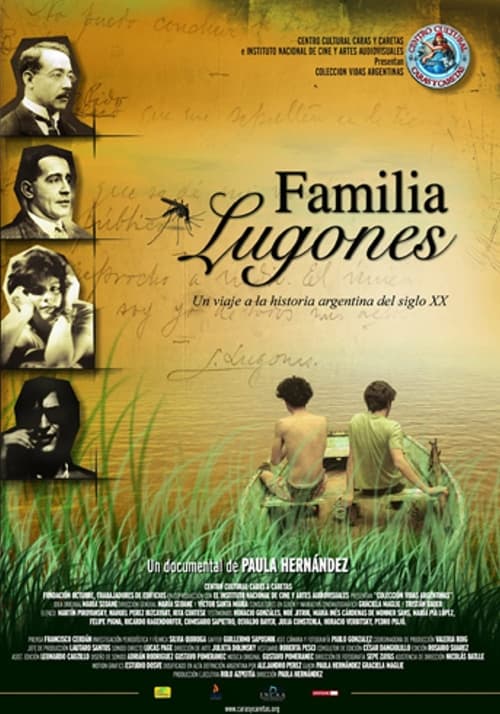
Lugones Family
2007
No user ratings available yet
Representation score: 5.6 out of 10

Representation Score
Excellent
2014
Director
Gastón Solnicki
Runtime
74 minutes
Average Rating
No ratings yetNew Showbiz Analysis
Papirosen is a sophisticated documentary that replaces monolithic state narratives with an multi-layered study of memory and identity. It centers a specific ethnic and familial history against a backdrop of geopolitical instability. The film's strength lies in its ability to challenge traditional historical narratives. By focusing on the lived experiences of an Argentine Jewish family, it offers a nuanced perspective on how systemic violence affects individual generations. While the film excels in ethnic and cultural specificity, it remains less explicit regarding specific LGBTQ+ or physical disability representations. However, its deep dive into psychological trauma provides a meaningful exploration of mental health.
Category Breakdown
The film touches on personal identity within a changing social landscape. Though it doesn't delve deeply into non-straight identities, it highlights non-traditional family structures that offer potential for inclusion.
This multigenerational study looks at gender roles across four generations. By blending domestic life with international politics, the film connects the private and public spheres to emphasize women's roles and influence.
Focusing on an Argentine Jewish family, the film provides a crucial departure from Anglo-centric cinema. Using native image formats, it validates this specific ethnic experience within a non-mainstream historical context.
The narrative critiques systemic trauma and state-level violence through a family lens. Rejecting celebratory nationalistic histories, it presents a complex, skeptical view of traditional state structures.
The film focuses on the psychological scars left by political conflict. This approach treats mental health and trauma as central, systemic issues rather than superficial character traits.
Present on Screen
Limited or Absent
Official Synopsis
A portrait of Argentine director Gastón Solnicki's family over the course of the second half of the 20th century, Papirosen follows four generations still troubled by a war that’s never spoken of. The film juxtaposes different periods with their native image formats, along with landscapes, characters and international political events, as it focuses on a singular decade of a nouveau riche Argentine Jewish family, and the new generation’s introduction into familiar traumas and vitality.
2007

2017

2003

2011
2017
2014

2016
1985
No reviews yet. Be the first to share your thoughts on this movie!
Use the rating form above to leave a star rating and optional review.