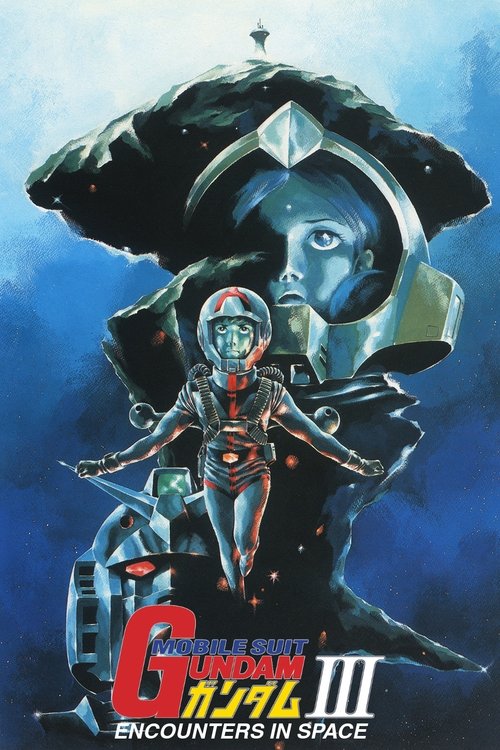
Mobile Suit Gundam III: Encounters in Space
1982
No user ratings available yet
Representation score: 7.8 out of 10
Representation Score
Excellent
1981
TV-PGDirector
Yoshiyuki Tomino, Ryoji Fujiwara
Runtime
139 minutes
Average Rating
No ratings yetNew Showbiz Analysis
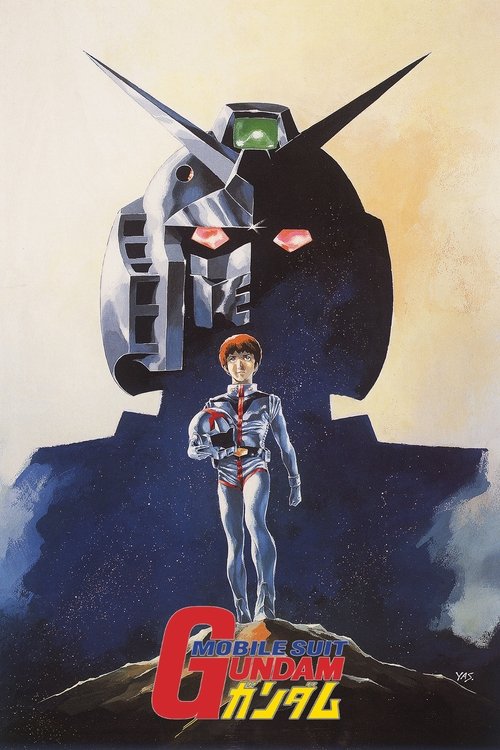
Mobile Suit Gundam stands out for its sophisticated narrative structure, which replaces simple moral dichotomies with a complex, post-colonialist framework. By focusing on systemic conflicts rather than individual heroism, it challenges the standard hierarchies of the action genre. The series excels in its subversion of traditional roles, particularly regarding gender ability to act and the realistic depiction of psychological trauma. It avoids the 'inspiration porn' trap by treating mental health issues as authentic consequences of combat. While it lacks explicit LGBTQ+ representation and remains rooted in the social norms of its era, its use of sci-fi metaphors to critique colonial and ethnic hierarchies adds significant depth.
Category Breakdown
The series does not include explicit LGBTQ+ identities or non-straight relationships. It follows the conventional norms of the early 1980s. However, the focus on trauma over romance prevents a lower score.
The narrative challenges common gender clichés by giving female characters significant roles in the military. Sayla Mass, for example, acts independently within the military structure, showing that women can be strong leaders.
The conflict between Earthnoids and Spacenoids serves as a metaphor for post-colonial struggles. This framework explores the tension between the dominant culture and underrepresented groups, offering a nuanced look at 'otherness.'
The series critiques centralized institutions by depicting them as bureaucratic and often corrupt. It portrays the struggle for independence as a justified response to systemic oppression, challenging traditional heroic narratives.
The story focuses on invisible disabilities, such as psychological trauma and PTSD. Characters are shown as deeply affected individuals rather than heroic figures, emphasizing the real impact of war on mental health.
Present on Screen
Limited or Absent
Official Synopsis
In the year Universal Century 0079, humans have colonized the area of space lying in between the Earth and the moon. However, the ambitious Zabi family, rulers of the Duchy of Zeon, the grouping of colonies furthest from the earth, has sparked a war.
1982
1984
1981
1993
1986
2024
1991
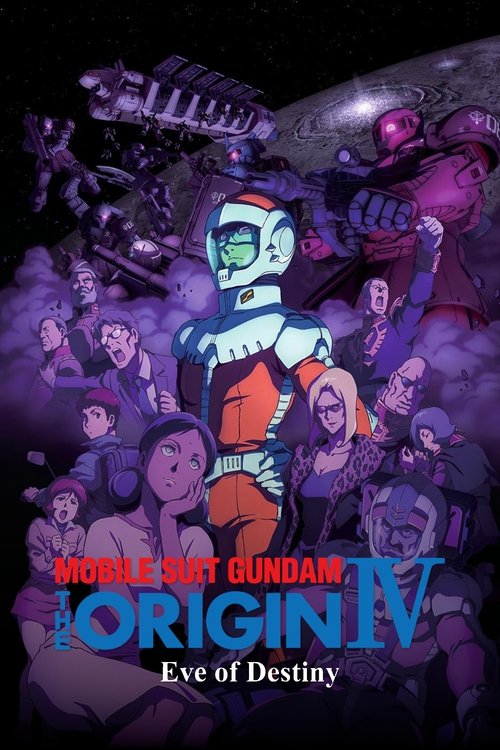
2016
No reviews yet. Be the first to share your thoughts on this movie!
Use the rating form above to leave a star rating and optional review.