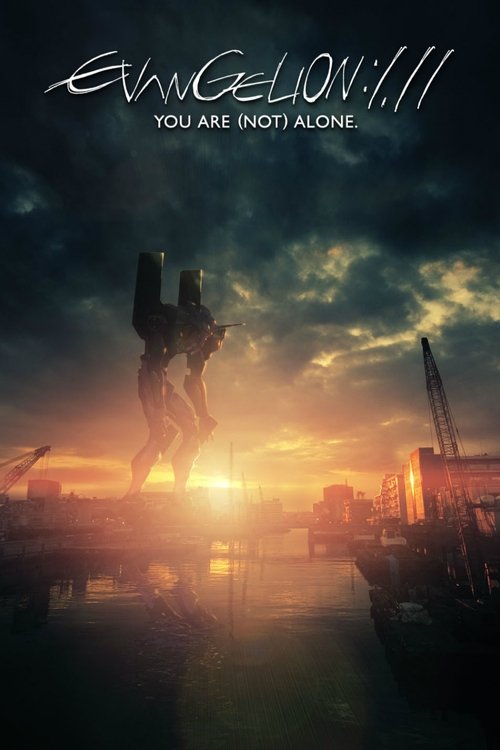
Evangelion: 1.0 You Are (Not) Alone
2007
No user ratings available yet
Representation score: 6.6 out of 10

Representation Score
Good
2012
PG-13Director
Hideaki Anno, Kazuya Tsurumaki, Mahiro Maeda, Masayuki
Runtime
96 minutes
Average Rating
No ratings yetNew Showbiz Analysis
Evangelion: 3.0 deconstructs heroic clichés, emphasizing psychological depth over conventional action. It stands out in subverting traditional gender hierarchies, placing women in positions of strategic and military authority. While the film offers a sophisticated critique of institutional power and explores the heavy toll of trauma, it remains limited by a homogeneous cultural perspective. The lack of racial diversity confines the narrative to a specific, localized viewpoint. Ultimately, the film examines systemic collapse, trading clear-cut morality for a postmodern landscape where identity and authority are constantly shifting.
Category Breakdown
The relationship between Shinji Ikari and Kaworu Nagisa serves as a central emotional connection. However, the film relies on subtext and metaphysical bonds rather than explicit identity or intimacy.
Female characters like Misato Katsuragi and Mari Illustrious Makinami play key roles, providing technical expertise and combat skills. They challenge traditional male-centric command structures.
The film maintains a homogeneous cast within a localized, post-apocalyptic Japanese setting. It does not actively engage with diverse racial or ethnic backgrounds, focusing instead on internal psychological dynamics.
Religious symbols are used to critique human existence rather than to honor traditions. The story excels at questioning institutional stability and the effectiveness of established global authorities.
Shinji Ikari’s journey highlights the psychological trauma and mental health struggles resulting from a fractured reality.
Present on Screen
Limited or Absent
Official Synopsis
Fourteen years after Third Impact, Shinji Ikari awakens to a world he does not remember. He hasn't aged. Much of Earth is laid in ruins, NERV has been dismantled, and people who he once protected have turned against him. Befriending the enigmatic Kaworu Nagisa, Shinji continues the fight against the angels and realizes the fighting is far from over, even when it could be against his former allies. The characters' struggles continue amidst the battles against the angels and each other, spiraling down to what could inevitably be the end of the world.
2007
2009

1998

2021
2024
2014

2016
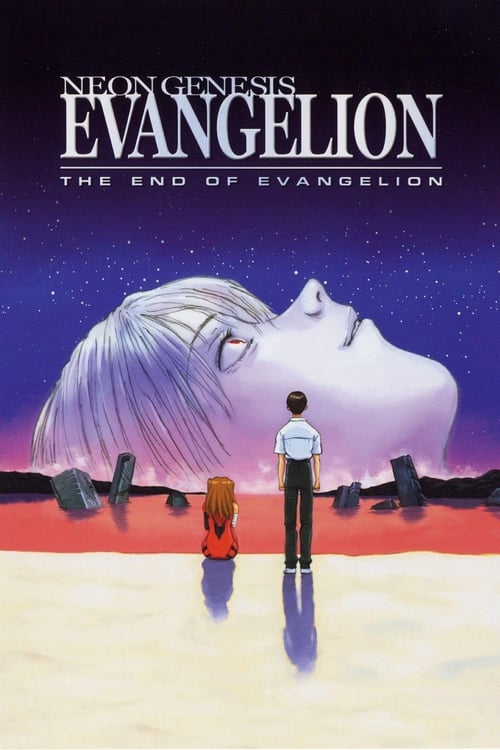
1997
No reviews yet. Be the first to share your thoughts on this movie!
Use the rating form above to leave a star rating and optional review.