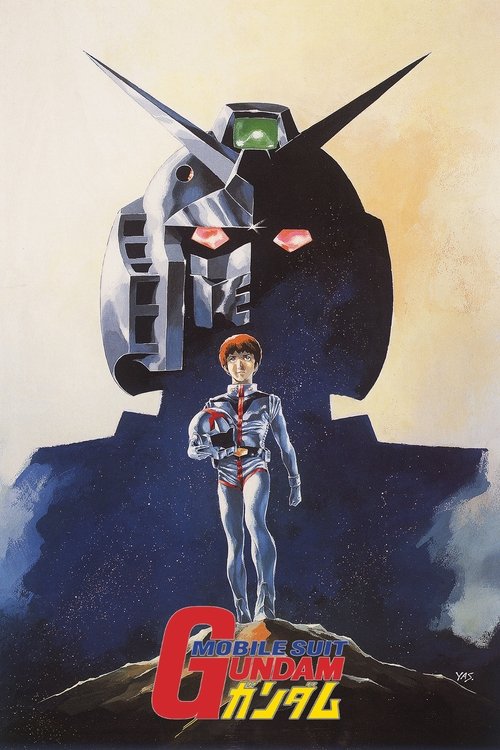
Mobile Suit Gundam I
1981
No user ratings available yet
Representation score: 8.2 out of 10
Representation Score
Good
1982
NRDirector
Yoshiyuki Tomino, Yoshikazu Yasuhiko, Osamu Sekita
Runtime
140 minutes
Average Rating
No ratings yetNew Showbiz Analysis
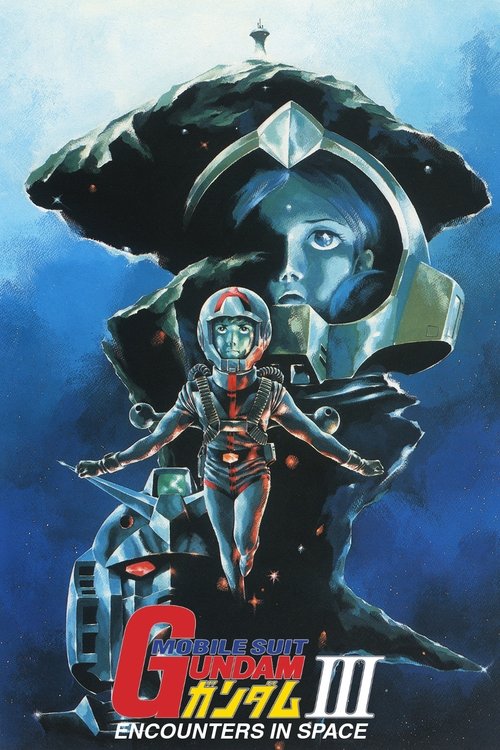
Mobile Suit Gundam III: Encounters in Space stands out through a sophisticated deconstruction of the wartime epic. It moves beyond standard genre clichés by prioritizing moral ambiguity and systemic critique over simple heroism. The film excels at using evolutionary metaphors to challenge social hierarchies and explores the psychological toll of conflict. While it lacks explicit demographic representation in several areas, its narrative complexity provides a deep look at human instability. Ultimately, the work functions as a post-humanist critique of military and political institutions, elevating it above typical science fiction fare.
Category Breakdown
The film doesn't include any explicit LGBTQ+ characters or non-straight identities. It focuses on existential and evolutionary themes in a wartime context without derogatory stereotypes but lacks any queer presence.
Female characters like Sayla Mass play significant roles in high-stakes military situations. While combat often centers on male protagonists, the film avoids the damsel-in-distress cliché by highlighting shared wartime experiences.
Traditional ethnicities are abstracted in this futuristic setting. Identity is shaped by the 'Newtype' evolutionary trait rather than ancestry, creating a post-racial framework that avoids Earth-centric hierarchies.
The story rejects a simple good-versus-evil binary, presenting conflict as a systemic issue. It uses a secular, post-humanist perspective to critique institutional power and traditional social structures.
Psychological trauma and the sensory overload of the Newtype phenomenon act as metaphors for invisible disabilities. Characters experience PTSD and cognitive changes that are central to their development.
Present on Screen
Limited or Absent
Official Synopsis
Amuro Ray and the rest of the White Base crew, now denominated the 13th Autonomous Corps, return to outer space to support the rest of the Earth Federation forces for the decisive battle against the Principality of Zeon's forces.
1981
1984
1981
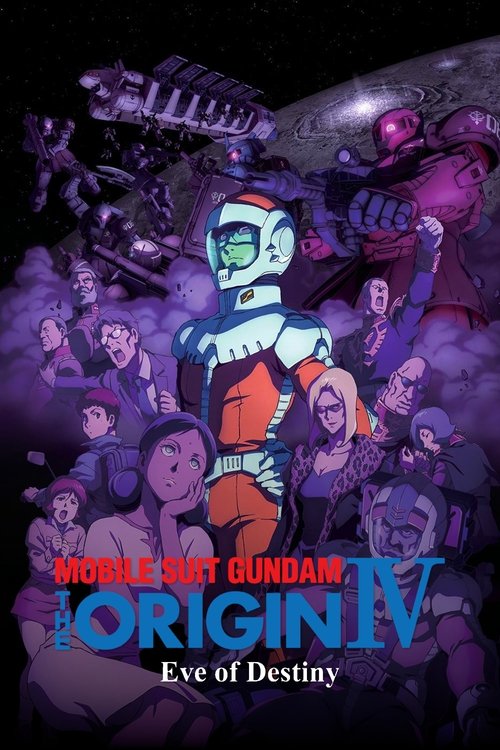
2016
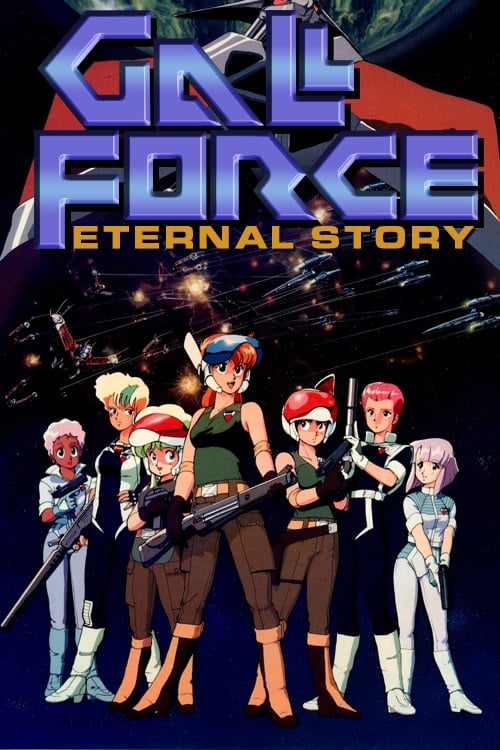
1986
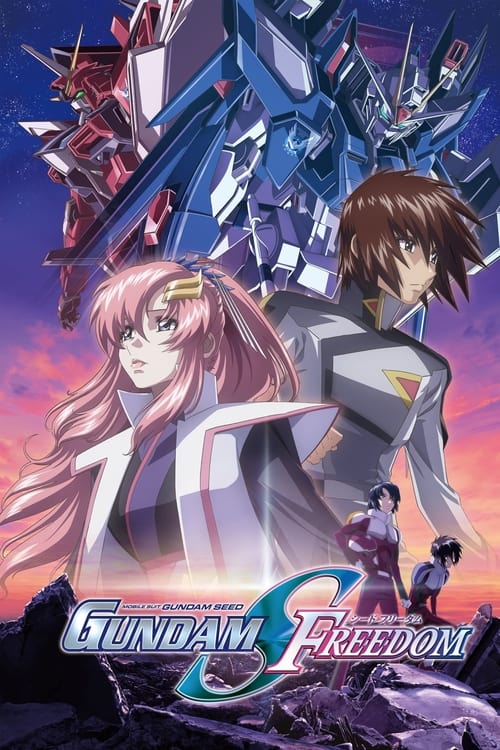
2024
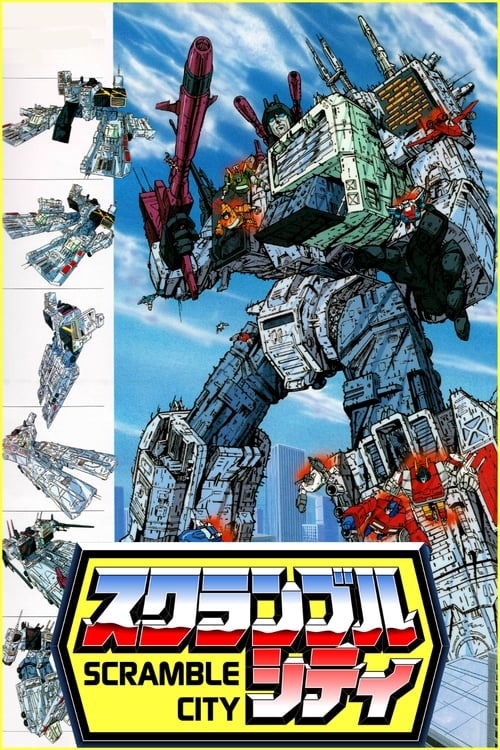
1986
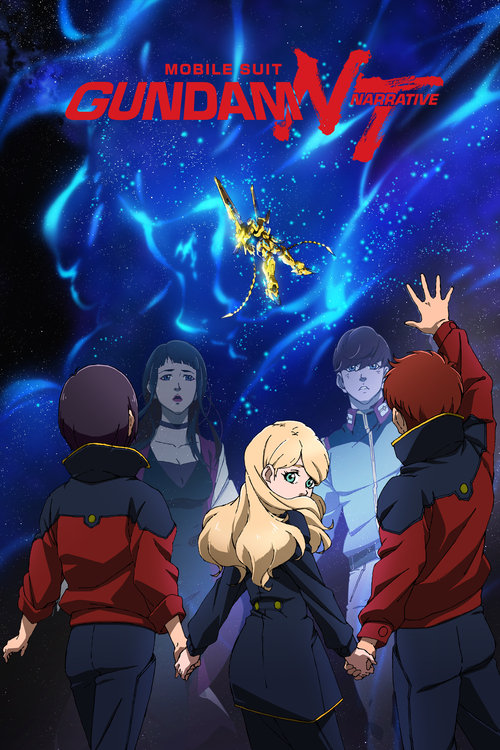
2018
No reviews yet. Be the first to share your thoughts on this movie!
Use the rating form above to leave a star rating and optional review.