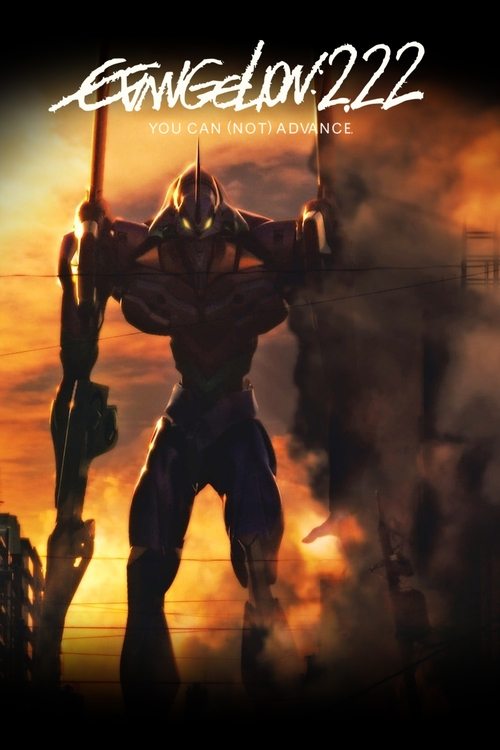
Evangelion: 2.0 You Can (Not) Advance
2009
No user ratings available yet
Representation score: 6.7 out of 10
Representation Score
Good
2007
PG-13Director
Masayuki, Kazuya Tsurumaki, Hideaki Anno
Runtime
101 minutes
Average Rating
No ratings yetNew Showbiz Analysis
Evangelion: 1.0 is a character-driven deconstruction of the mecha genre that prioritizes psychological depth over traditional heroism. It succeeds in challenging gender hierarchies and critiquing institutional power, offering a sophisticated look at how individuals struggle against dehumanizing systems. However, the film lacks breadth in demographic representation. The cast remains culturally homogenous, and the narrative lacks explicit LGBTQ+ identifiers, focusing instead on universal themes of isolation.
Category Breakdown
The film focuses on the protagonist's psychological isolation and the complexities of human connection. It does not explicitly depict non-straight or non-cisgender identities or same-sex romantic pairings.
Female characters play a significant role in driving the story and intellectual authority within a male-dominated military structure. Misato Katsuragi navigates high-level command, while Rei Ayanami challenges standard emotional expectations.
The cast is predominantly Japanese, reflecting the specific setting of Tokyo-3. The film does not utilize diverse ethnic blending or color-blind casting within its primary characters.
The narrative uses religious iconography as a postmodern deconstruction rather than a promotion of faith. It critiques militaristic authority and explores the individual's struggle against oppressive systems.
The story centers on invisible disabilities, specifically neurodivergence and psychological trauma. Shinji Ikari is depicted through a lens of profound adolescent isolation and mental fragility.
Present on Screen
Limited or Absent
Official Synopsis
After the Second Impact, Tokyo-3 is being attacked by giant monsters called Angels that seek to eradicate humankind. The child Shinji’s objective is to fight the Angels by piloting one of the mysterious Evangelion mecha units. A remake of the first six episodes of GAINAX’s famous 1996 anime series. The film was retitled “Evangelion: 1.01” for its DVD release and “Evangelion: 1.11” for a release with additional scenes.
2009
2012

1998
2016
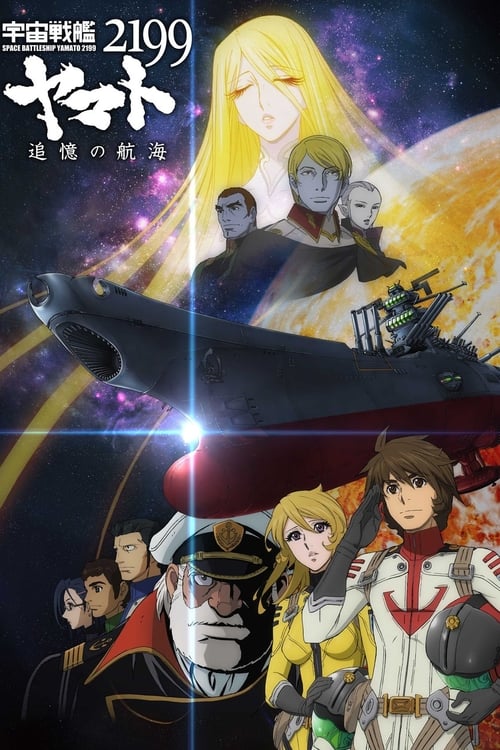
2014
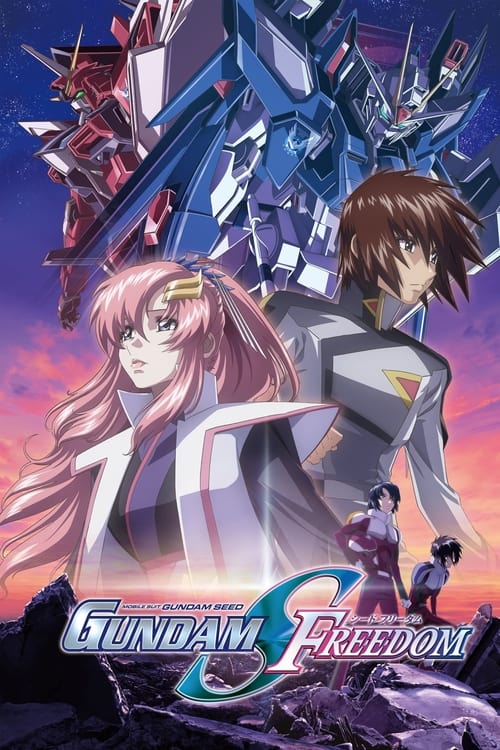
2024

2021
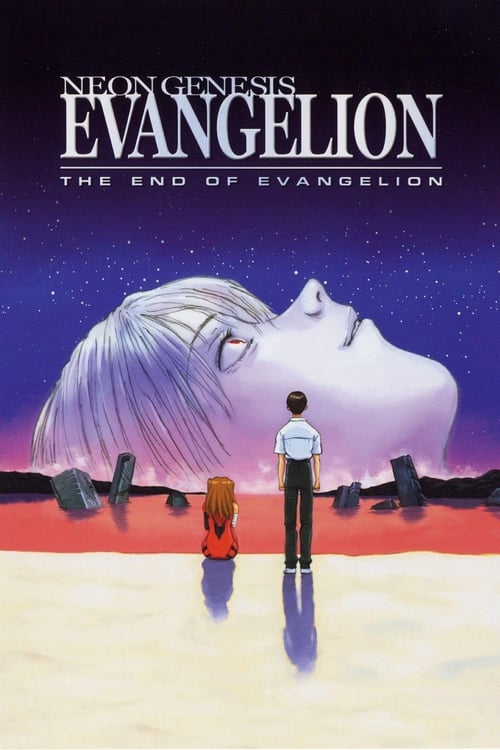
1997
No reviews yet. Be the first to share your thoughts on this movie!
Use the rating form above to leave a star rating and optional review.