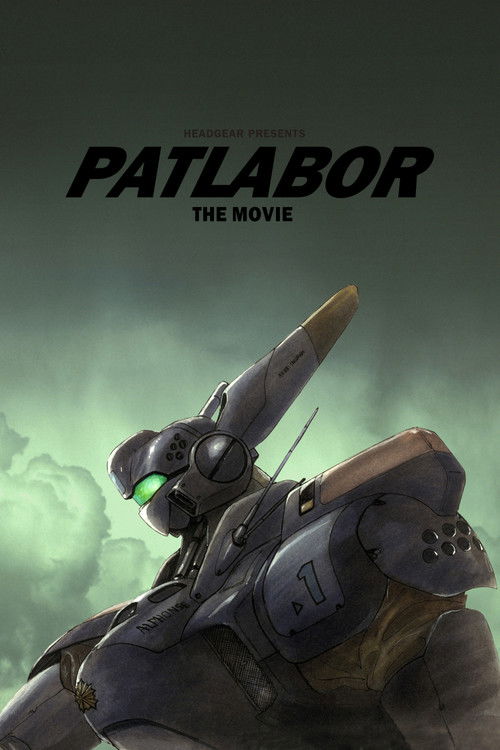
Patlabor: The Movie
1989
No user ratings available yet
Representation score: 7.0 out of 10
Representation Score
Good
1993
TV-14Director
Mamoru Oshii
Runtime
113 minutes
Average Rating
No ratings yetNew Showbiz Analysis
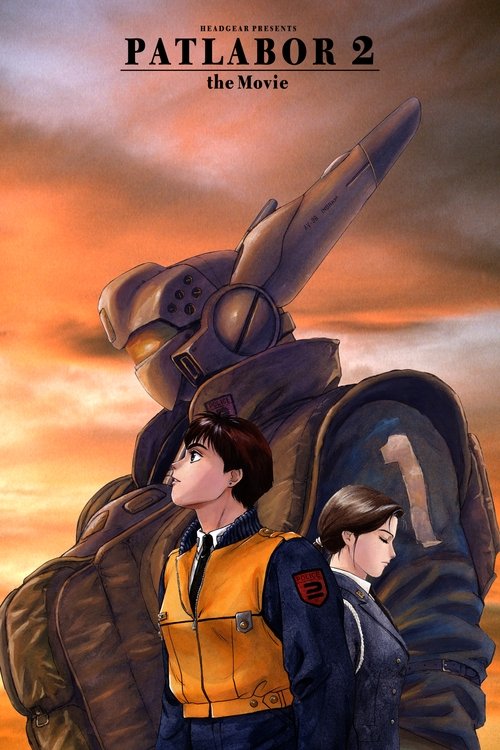
Patlabor 2: The Movie excels as a sophisticated deconstruction of authority and systemic power. It moves beyond the standard police procedural to interrogate how institutions maintain order through manufactured crises and controlled violence. While the film lacks broad demographic representation, particularly regarding LGBTQ+ and racial diversity, it compensates with deep intellectual engagement. It uses its setting to critique the military-industrial complex and the constructs of state-sanctioned peace. Ultimately, the film's impact lies in its postmodern approach to power dynamics. It prioritizes a critique of institutional truth over traditional moral clarity or diverse character archetypes.
Category Breakdown
The film focuses on geopolitical tension and philosophical inquiry. There is no depiction of non-straight or non-binary identities or same-sex relationships.
Female characters hold high-stakes, technical, and leadership positions. They are defined by their professional competence rather than domestic or romantic roles.
The cast is mainly Japanese, reflecting the near-future Tokyo setting. The film avoids harmful stereotypes while exploring urban identity and the military-industrial complex.
The narrative critiques the state, capitalism, and the military-industrial complex. It questions the ethical validity of state-sanctioned peace and official truths.
The film examines the psychological strain of political maneuvering but does not focus on visible or invisible disabilities as a primary narrative driver.
Present on Screen
Limited or Absent
Official Synopsis
A Japanese police unit who use giant anthropomorphic robots (called Labors) is caught up in a political struggle between the civilian authorities and the military when a terrorist act is blamed on an Air Force jet. With the aid of a government agent, the team gets close to a terrorist leader to stop things from going out of control when after the military is impelled to impose martial law.
1989

2006

2002

1986

2007

2015

1995

1992
No reviews yet. Be the first to share your thoughts on this movie!
Use the rating form above to leave a star rating and optional review.