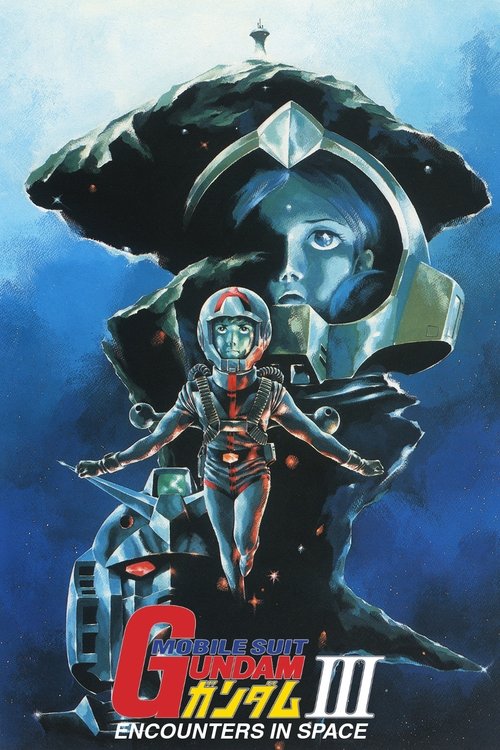
Mobile Suit Gundam III: Encounters in Space
1982
No user ratings available yet
Representation score: 7.8 out of 10
Representation Score
Good
1981
NRDirector
Yoshiyuki Tomino, Yoshikazu Yasuhiko, Osamu Sekita
Runtime
135 minutes
Average Rating
No ratings yetNew Showbiz Analysis
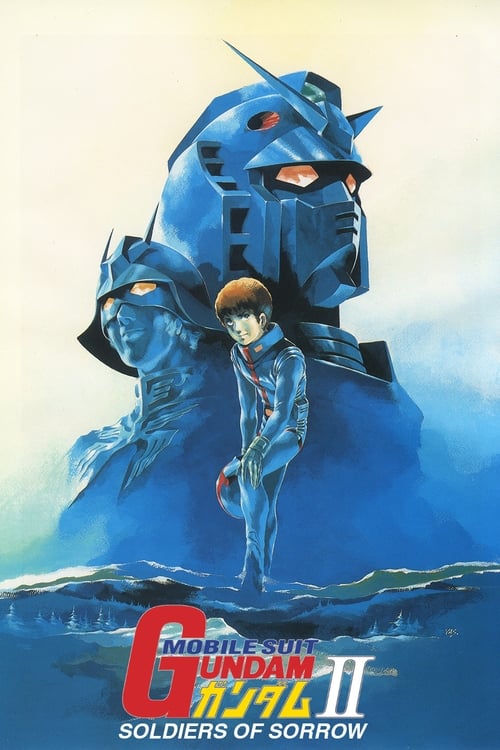
Mobile Suit Gundam II: Soldiers of Sorrow distinguishes itself through a sophisticated critique of institutional authority and systemic power. Rather than relying on simple demographic markers, it utilizes its science fiction setting to explore complex themes of colonial oppression and moral relativism. The film succeeds in subverting traditional gender hierarchies by granting female characters significant roles and autonomy. It also offers a nuanced look at the psychological devastation of war, treating mental trauma as a central, albeit plot-driven, element of the human experience. However, the narrative remains limited by a lack of explicit identity-based representation. The absence of LGBTQ+ visibility and diverse physical disability portrayals prevents a higher score, despite the film's intellectual depth regarding social structures.
Category Breakdown
The film does not include explicit LGBTQ+ characters or non-cisgender identities. The interpersonal dynamics focus on heterosexual romantic tensions and military camaraderie rather than queer visibility.
Female characters such as Sayla Mass play significant roles in the political landscape and have considerable autonomy. The narrative avoids damsel clichés, presenting women as active participants in a high-stakes geopolitical conflict.
The story uses the conflict between Earth and Space Colonies as a metaphor for historical struggles between colonizers and colonized peoples. It mirrors the patterns of oppression found in real-world conflicts.
The film rejects simple good-versus-evil binaries, embracing moral relativism. It critiques industrial warfare and the systemic failure of adult-led institutions through the lens of adolescent combatants.
Psychological trauma and the mental toll of Newtype evolution are explored. However, these elements primarily serve the plot rather than providing explicit representation of physical or neurodivergent disabilities.
Present on Screen
Limited or Absent
Official Synopsis
After surviving attacks by Zeon's Char Aznable and Garma Zabi, the crew of Federation warship White Base and its mobile suits must battle Zeon forces through Asia, Europe, and the Atlantic Ocean if they are to reach Earth Federation's headquarters alive. During that process, many of its crewmembers must overcome their fears, losses, immaturities, and insecurities in order to persevere.
1982
1981
1986
1984
2016
2007
2011
1993
No reviews yet. Be the first to share your thoughts on this movie!
Use the rating form above to leave a star rating and optional review.