Journey of Honor
1991
No user ratings available yet
Representation score: 2.9 out of 10
Representation Score
Minimal
1961
Director
Kazuo Mori
Runtime
93 minutes
Average Rating
No ratings yetNew Showbiz Analysis
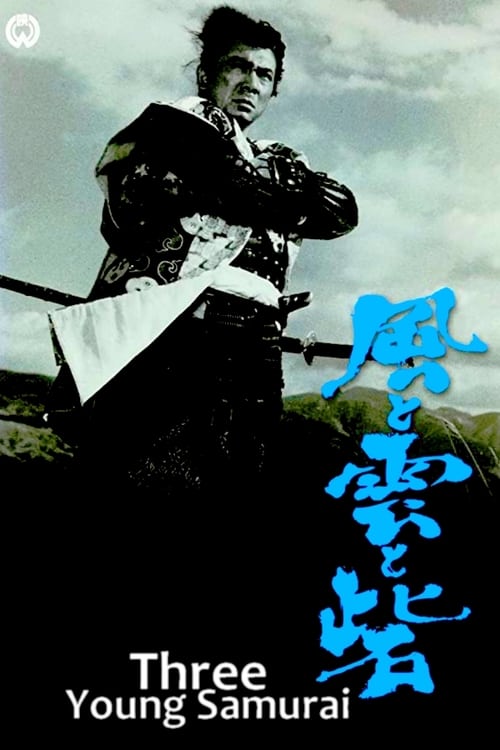
Three Young Samurai is a traditional jidaigeki that prioritizes the preservation of historical social hierarchies. The film reconstructs the Sengoku period while adhering strictly to the rigid moral codes and patriarchal structures of the era. The narrative centers on masculine bonds and the bushido code, leaving little room for diverse perspectives or underrepresented identities. It celebrates the discipline required to uphold established feudal institutions rather than questioning them. Since the film focuses on historical accuracy and the specific social order of 16th-century Japan, it lacks representation across almost all modern diversity metrics.
Category Breakdown
The film does not include any LGBTQ+ characters or non-cisgender identities. The story focuses solely on heterosexual and cisgender relationships typical of the 16th century.
The film reinforces traditional gender roles by highlighting masculine activities such as military training and combat. Female characters have little influence and serve as secondary figures in a male-dominated world.
Set in feudal Japan, the film features a homogeneous ethnic makeup. It presents a historically accurate reconstruction of the time without incorporating diverse backgrounds.
The narrative upholds a single moral framework through the bushido code. It emphasizes respect for authority and the established hierarchy of the Tokugawa and Takeda clans without challenging these structures.
The film does not depict any visible or invisible disabilities. Characters are defined by their physical strength and martial abilities, emphasizing the warrior's body as a tool of the state.
Present on Screen
Limited or Absent
Official Synopsis
During Japan's Warring States period three young Tokugawa vassals head their separate ways after Takeda Shingen's forces overran their castle. When they next meet they have all joined opposing sides.
1991
1954
1961

1964

1960
1959
1990
1969
No reviews yet. Be the first to share your thoughts on this movie!
Use the rating form above to leave a star rating and optional review.