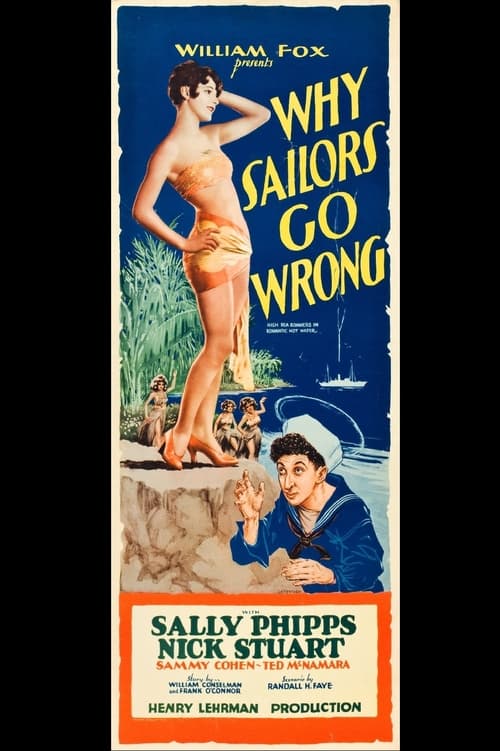
Why Sailors Go Wrong
1928
No user ratings available yet
Representation score: 1.8 out of 10
Representation Score
Minimal
1928
PassedDirector
James Cruze
Runtime
80 minutes
Average Rating
No ratings yetNew Showbiz Analysis
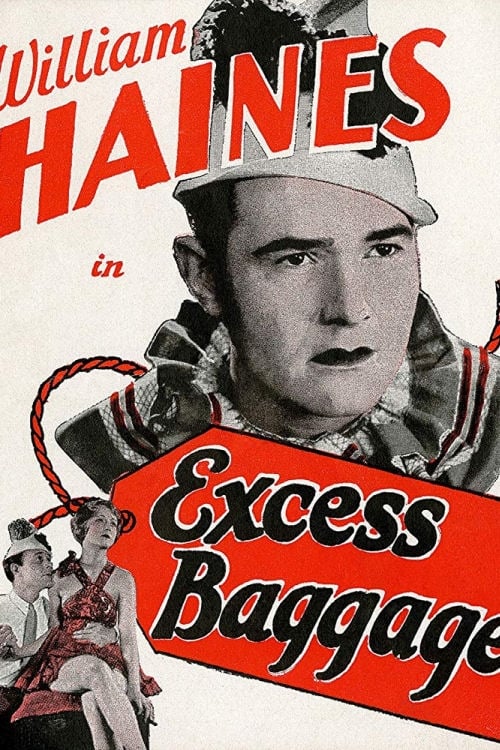
As a lost silent comedy from 1928, Excess Baggage functions as a product of the mainstream MGM studio system. The film's lack of diversity reflects the era's systemic constraints and standard commercial output. Without specific historical records of subversion, the work appears to operate within the traditional social and cinematic hierarchies of the time. The absence of documented progressive narratives suggests a reliance on the era's conventional comedic structures.
Category Breakdown
The film contains no documented evidence of LGBTQ+ characters or non-cisgender identities. It appears to adhere strictly to the straight-centered social mores of 1928.
Gender representation likely relies on traditional clichés common to late 1920s silent comedies. There is no evidence of women playing a significant role in driving the story intellectually or physically.
The production reflects the standard MGM studio system of the era, which lacked significant racial diversity. No non-white majority cast or race-bent casting is documented.
The narrative likely centers on conventional Western social structures and traditional morality. There is no indication of secularist themes or critiques of capitalism.
There is no evidence of characters with visible or invisible disabilities. No such characters are portrayed with a leading role or as central to the story.
Present on Screen
Limited or Absent
Official Synopsis
Excess Baggage is a lost 1928 American silent comedy film directed by James Cruze and distributed by MGM. The film was based on the play of the same name by John McGowan. The film starred William Haines, Josephine Dunn and Kathleen Clifford.
1928

1928

1929
1928

1914

1927

1932

1938
No reviews yet. Be the first to share your thoughts on this movie!
Use the rating form above to leave a star rating and optional review.